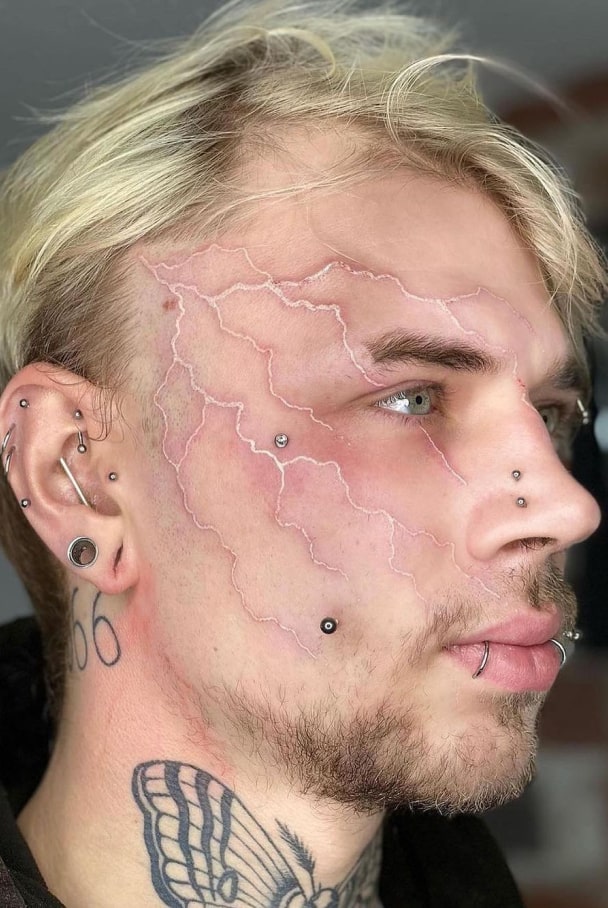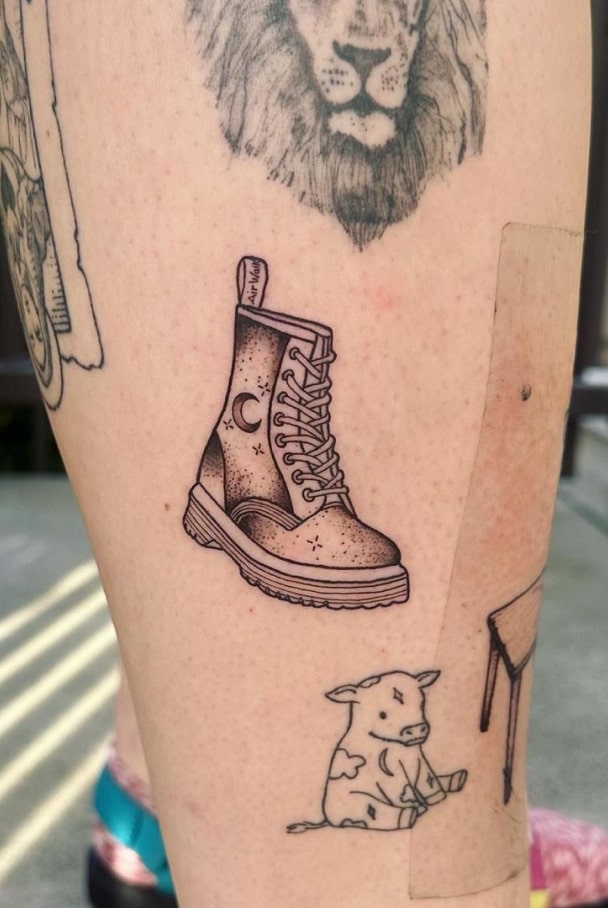


Tattoos come in a wide variety of styles and techniques, each requiring different levels of precision and endurance during the tattooing process. If you're considering a traditional design, a realistic portrait, or intricate geometric patterns, you might be wondering if numbing creams can help make the tattooing process more comfortable.
→ Shop TNC: TNC Tattoo Numbing Cream | Tattoo Goo Aftercare Salve
The answer isn’t always straightforward, but we’re here to clarify some of the key questions you might have when it comes to using tattoo numbing creams for different tattoo styles and techniques.
Can Numbing Creams Be Used For Different Tattoo Styles And Techniques?
At TNC, we've helped over 600,000 customers make their tattoo experience more comfortable — here's what we've learned.
Understanding Different Tattoo Styles and Techniques
- Traditional: Characterised by bold outlines, vibrant colours, and iconic imagery, traditional tattoos draw inspiration from classic tattoo designs dating back to the early 20th century.
- Realism: Realistic tattoos aim to replicate the appearance of real-life subjects, such as portraits, animals, or scenery, with intricate details and shading techniques.
- Black and Gray: Utilising shades of black and grey ink, black and grey tattoos create depth and dimension through subtle gradations and contrast.
- Geometric: Geometric tattoos feature precise lines, shapes, and patterns inspired by geometric forms, such as mandalas, sacred geometry, or minimalist designs.
- Watercolour: Watercolour tattoos mimic the appearance of watercolour paintings, using vibrant colours and fluid brushstrokes to create ethereal and expressive designs.
Each tattoo style requires a different approach and level of skill from the tattoo artist, with some styles demanding more time and precision than others. Factors such as line work, shading, and colour blending can influence the overall pain and discomfort experienced during the tattooing process.
The Role of Numbing Creams
As anyone that has a tattoo knows, the inking procedure isn’t always the most comfortable.
Numbing creams, also known as topical anaesthetics, are commonly used to reduce the sensation of pain during tattooing. These creams work by numbing the skin's surface, temporarily blocking nerve signals and dulling pain receptors - similar to how local anaesthetics work. Simply apply a layer to your skin, wait for the designated time, then enjoy a reduced-pain session regardless of where on your body your tattoo is.
Effectiveness of Numbing Creams for Different Tattoo Styles
The effectiveness of numbing creams for different tattoo styles and techniques can vary depending on factors such as the specific formulation, application technique, and location of the tattoo. For styles that involve intricate detailing or prolonged sessions, such as realism or geometric tattoos, numbing creams can be particularly beneficial in helping clients manage discomfort and remain relaxed throughout the process.
However, it's essential to manage expectations and understand that numbing creams may not provide complete pain relief, especially for more extensive or intricate designs. Let’s look at how tattoo numbing cream helps to relieve pain for different tattoo styles.
Traditional Tattoos
Traditional tattoos often feature bold outlines and vibrant colours, requiring precise line work and shading. Numbing creams can be effective for traditional tattoos and may particularly work for individuals with lower pain tolerance or for areas of the body that are more sensitive to pain. However, since traditional tattoos typically involve shorter sessions compared to other styles, the duration of numbing effects may be sufficient for most individuals.
Realism Tattoos
Realistic tattoos aim to replicate the appearance of real-life subjects with intricate details and shading techniques. Pain management is crucial for both the client and the tattoo artist as these tattoos often require longer sessions and more extensive shading. Numbing creams can be highly effective for realistic tattoos, helping clients remain comfortable during prolonged sessions and allowing tattoo artists to focus on achieving precise and lifelike results.
Black and Gray Tattoos
Black and grey tattoos utilise shades of black ink to create depth and dimension through subtle gradations and contrast. While these tattoos may not require as much colour saturation as other styles, the shading process can still be uncomfortable for some individuals. Numbing creams can be beneficial for black and grey tattoos, especially for areas of the body with thinner skin or closer to bone, where pain may be more pronounced.
Geometric Tattoos
Geometric tattoos feature precise lines, shapes, and patterns inspired by geometric forms. These tattoos often require meticulous attention to detail and precise line work, which can be challenging for both the client and the tattoo artist if discomfort becomes a distraction. Numbing creams will help alleviate pain and discomfort during the tattooing process and allow for greater focus and precision from the artist.
Watercolour Tattoos
Watercolour tattoos mimic the appearance of watercolour paintings with vibrant colours and fluid brushstrokes. While watercolour tattoos may not involve as much outlining or shading as other styles, the application of multiple colours and blending techniques can still cause discomfort for some individuals. Numbing creams can provide relief during the tattooing process, allowing clients to enjoy the artistic expression of watercolour tattoos without unnecessary pain or discomfort.
Practical Considerations
When using numbing creams for different tattoo styles and techniques, consider the following practical considerations to ensure you get the best results:
- Application Time: Apply the numbing cream to the tattooed area at least 30 minutes to an hour before your tattoo appointment to allow sufficient time for it to take effect.
- Coverage: Ensure that the numbing cream covers the entire tattooed area evenly to maximise its effectiveness. Use plastic wrap or a bandage to cover the area and prevent the cream from rubbing off.
- Communication: Maintain open communication with your tattoo artist throughout the session. Let them know if you're experiencing any discomfort or if the numbing cream's effects are wearing off.
- Expiry Date: Tattoo numbing cream can expire, so it’s always recommended to check the label to check the date. Expired tattoo numbing creams will not be as effective and may even cause safety issues upon application.
- Touch-Ups: If you're getting a touch-up or additional sessions for your tattoo, consider using numbing cream to help manage any discomfort from previous tattooing sessions.
- Allergies: Although rare, tattoo numbing cream related allergies can affect some users.
Say Goodbye to Painful Ink
Numbing creams can be a valuable tool for managing pain and discomfort during a tattooing procedure, regardless of the style or technique involved. If you're opting for a traditional design, a realistic portrait, or intricate geometric patterns, numbing creams will help make the tattooing experience more comfortable and enjoyable.
Think tattoo numbing cream could be the solution you’ve been looking for? Browse the full range from Tattoo Numbing Cream today and enjoy the tattooing process without unnecessary pain, discomfort or stress. Remember, tattoos should always be fun and enjoyable for everyone, don't let fear of pain hold you back from getting the tattoo of your dreams.
Related Reading
Frequently Asked Questions
Does tattoo numbing cream actually work?
Yes. active numbing agents-based numbing creams (4–5%) block pain signals at the skin surface. They significantly reduce discomfort during tattooing when applied correctly 45–60 minutes before your session.
How do I apply numbing cream before a tattoo?
Apply a thick layer to clean, dry skin 45–60 minutes before your appointment. Cover with cling wrap to maximise absorption. Wipe off completely just before the artist begins.
Will numbing cream affect my tattoo quality?
No. When applied and removed correctly, numbing cream does not affect ink uptake or final results. Most professional artists have no problem with it — just let them know beforehand.