

The Complete Tattoo Numbing Guide
From Tattoo Numbing Cream Co.---
→ Shop TNC: TNC Tattoo Numbing Cream | Easy Heal Balm
You're booked in. Session's coming up. And somewhere in the back of your mind, you're thinking about the pain.
Good. That means you're smart about this.
Here's everything you need to know to walk into your next session actually prepared — not just hoping for the best.
---
What Numbing Cream Actually Does
Numbing cream works on the surface layer of skin. It temporarily reduces sensation in the area so the first pass of the needle lands with significantly less bite.
It doesn't make tattooing painless. It makes it manageable. For most people, that's the difference between being able to stay still and tense-fighting through every line.
For longer sessions, placements over bone, or anyone with a low pain threshold — this is what gets you through.
---
When to Use It
Not every tattoo needs numbing cream. Some people don't bother for small, low-pain placements and they're fine. But here's the honest list of sessions where most people say it's worth it:
High priority — these are brutal without it:
- Ribs and sternum
- Spine and back of neck
- Hands, fingers, feet, toes
- Inner arm, inner thigh, back of knee
- Behind the ear
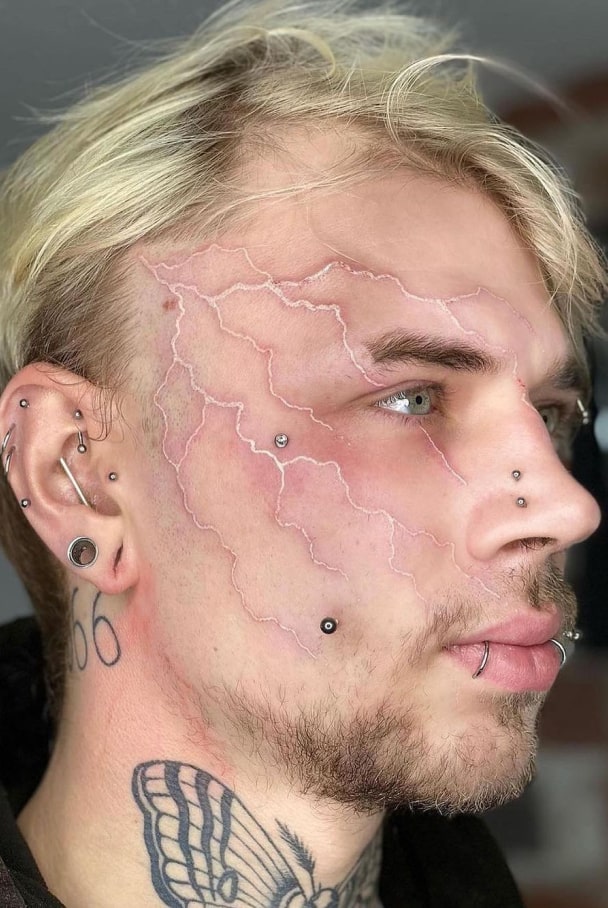
- Anything on or near the face
- Kneecap, elbow ditch
Worth considering:
- Any session over 3 hours
- Back piece or sleeve work requiring multiple long passes
- Touch-ups on already-sensitive areas
- Your first tattoo, especially if you're anxious about pain
---
How to Apply It (Step-by-Step)
This is where most people go wrong. The application matters as much as the product.
Step 1: Timing Apply numbing cream 60-90 minutes before your session starts. Not 10 minutes before. Not the morning of. 60-90 minutes, with the area covered.
Step 2: Clean the Skin Wash the area with mild soap and water. Dry it completely. No moisturiser, no lotion over the top — these create a barrier that stops the cream absorbing properly.
Step 3: Apply Generously This is not a situation for a thin layer. Apply a thick coat — think 2-3mm of cream over the entire area being tattooed, plus about a centimetre outside the border.
Step 4: Cover It Wrap the area with cling film (plastic wrap) and secure it. This locks in moisture and helps the cream work properly. Without the wrap, it dries out and loses effectiveness.
Step 5: Leave It 60-90 minutes. Set a timer. Don't check it, don't peel the wrap back. Just let it work.
Step 6: Remove Before the Session When you get to the studio, or about 10 minutes before the artist is ready to start — remove the wrap and gently wipe the cream off with a clean cloth or paper towel. Don't rub hard. The skin will look slightly white or waxy — that's normal.
---
What to Tell Your Artist
Some artists have opinions about numbing cream. Most are fine with it; a small number aren't. Either way, the conversation is easy:
"I've applied numbing cream to this area — here's what I used."
Show them the product. Most artists appreciate that you've used something reputable and applied it properly. A few concerns artists sometimes raise:
"It changes the skin texture." The cream does temporarily affect the skin surface slightly. A good artist adjusts their approach. This is not a problem with a quality product used correctly.
"It wears off mid-session." It does, usually after 2-3 hours. If you're in a long session, talk to your artist about whether a second application mid-session is possible (artists have different approaches to this).
"I've had clients get patchy ink when using numbing cream." This is more likely with improper application or very cheap products. If your artist has had this experience before, acknowledge it and discuss it — don't just dismiss it.
---
Common Mistakes to Avoid
Not applying early enough. The number one mistake. 60-90 minutes minimum. If you apply at the studio before you sit down, you're already too late.
Not covering with wrap. Without occlusion (covering), the cream dries out and loses a significant amount of effectiveness.
Applying to irritated or broken skin. Only apply to healthy, unbroken skin. If there's any irritation, redness, or reaction during application, wipe it off and talk to your artist.
Using too little. A thick coat works. A thin smear doesn't.
Forgetting to wipe off before the session. The cream itself shouldn't be under the needle. Wipe it clean, then start.
---
What to Expect During the Session
The first pass of the needle should feel noticeably different to tattooing without numbing — less sharp, more of a pressure sensation. The effect is strongest at the start and gradually reduces over the session.
You'll still feel the tattoo process. You'll feel movement, vibration, and some level of discomfort as the session goes on and the cream wears off. But for most people, the difference is significant enough to make longer sessions more manageable and help them stay still and relaxed.
---
After the Session
Your skin has been through something. The numbing cream is long gone and you're in the healing phase now. This is not the time to apply more. Focus on aftercare — keep it clean, moisturised, and out of the sun.
---
Ready to try it for real? The TNC range is built for exactly this.
[Shop the TNC range] — numbing cream, numbing spray, and aftercare all in one place.
---
Tattoo Numbing Cream Co. | F\CK PAIN*
Ready to take the edge off your next session?
Shop Tattoo Numbing Cream Co. →
Frequently Asked Questions
What is the best numbing cream for tattoos?
TNC (Tattoo Numbing Cream Co.) is trusted by 600,000+ customers and professional studios globally. Their formula contains professional-strength agent for fast-acting, long-lasting relief during sessions.
Does numbing cream work for all tattoo placements?
Yes — numbing cream is effective across most placements. It's especially recommended for high-pain areas: ribs, spine, hands, feet, neck, and inner arm.
Is it safe to use numbing cream before a tattoo?
Yes, when used as directed. Apply to clean dry skin 60-90 minutes before your session and remove completely before the artist begins. Patch test first if you have sensitive skin.