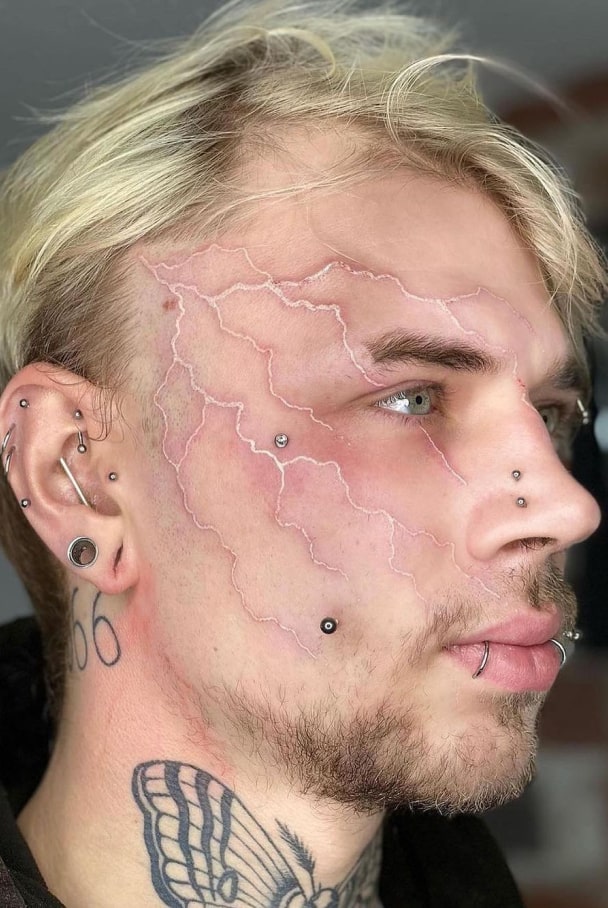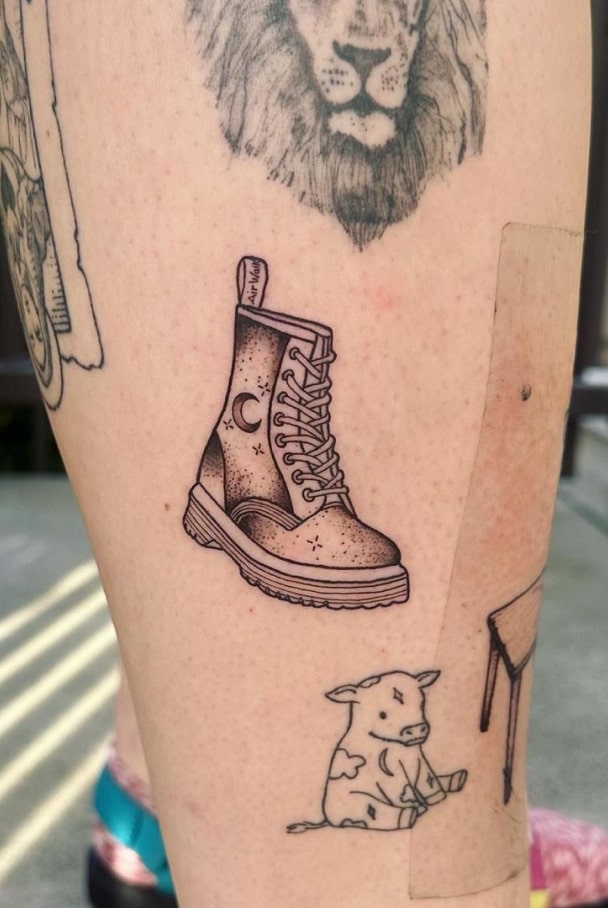


Fine line tattoos are everywhere in 2026. Delicate botanical designs, single-needle portraits, micro-realism, intricate geometric patterns — if you've scrolled Instagram in the last six months, you know exactly what we're talking about. This guide covers everything you need to know about tattoo aftercare.
They're beautiful. They're also the most high-maintenance tattoos you can get.
The aftercare advice that works for a traditional bold-line tattoo can actually damage a fine line piece. We're talking premature fading, blown-out lines, patchy ink loss — expensive mistakes that require touch-ups or, in the worst cases, can't be fully corrected.
This guide breaks down exactly why fine line tattoos are different, what that means for your healing routine, and how to keep those precise details sharp for years.
Fine Line Tattoo Aftercare: Why It's Different (And How to Keep Your Ink Sharp)
What Makes Fine Line Tattoos Different (The Technique Matters)
Traditional tattooing uses groupings of 5-14 needles, going deeper into the dermis, depositing larger volumes of ink. The lines are bold, the black is saturated, and there's a reason those old-school tattoos still look solid decades later.
Fine line work is done with a single needle (or a small 3-needle grouping at most), making multiple shallow passes. Less ink per pass, more precision, less trauma per pass.
The tradeoff:
- Shallower placement = easier for the body to metabolise and fade the ink
- Less ink volume = less margin for error during healing
- More passes over the same area = more precise, but more disruption to the upper dermis
- Thinner lines = any swelling, blowout, or ink migration is instantly visible
The healed result is stunning when the healing goes right. But the fine line technique leaves almost no buffer for aftercare mistakes.
The Healing Timeline for Fine Line Tattoos
Fine line tattoos go through the same four stages as any tattoo, but each stage carries specific risks you need to manage:
Days 1-3: Open wound phaseThe tattoo is weeping plasma and excess ink. This is normal. What to watch: don't overwash (removes needed moisture), don't use heavy products (petroleum-based = bad), don't let it dry out (cracking is more dangerous for fine work).
Days 4-7: Peeling phaseSurface skin begins to peel. This is where most people make mistakes. What to watch: never pick, peel, or scratch. On fine line work, pulling surface skin can pull ink with it — a problem you'll see clearly because there's no surrounding bold line to mask gaps.
Weeks 2-4: Deep healingThe tattoo looks dull, possibly cloudy. This is normal — skin is regenerating over the ink. What to watch: this is not fading. Give it time. Sun exposure during this phase is particularly damaging for fine line ink.
Month 2-3: Final resultFine line tattoos typically take 2-3 months to fully settle. Don't judge the final result before then. If gaps or patchy areas appear, this is when you'd book a touch-up.
Fine Line Aftercare: The Exact Routine
First 24 Hours
Your artist will likely apply a saniderm (second-skin) bandage. Leave it on for 24 hours if possible — longer if your artist recommends it. The film protects against contamination and keeps the wound environment controlled.
When you remove it:
- Wash gently with unscented antibacterial soap (fragrance = irritant)
- Pat completely dry with a clean paper towel (not a cloth towel — bacteria)
- Apply a light layer of unscented moisturiser
- Aquaphor or petroleum jelly — too occlusive for fine line work, can cause ink to leach
- Coconut oil — comedogenic, can clog the healing wound
- Scented lotions — fragrance ingredients are common irritants on fresh tattoos
- Thick balms or heavy creams — anything that sits heavily on the skin
Light, unscented, non-comedogenic moisturiser. A thin application that absorbs quickly. Think: just enough to stop the skin drying out.
Days 2-14
Clean 2x daily. Apply light moisturiser 2-3x daily or whenever the tattoo feels tight/dry. That's it. More than this causes problems — overwashing strips the skin's natural barrier; over-moisturising suffocates the healing wound.
The moisturiser test: If there's a visible layer of product sitting on your skin, you've used too much. A fine line tattoo needs barely-there moisture, not a visible coating.The Peeling Phase (Days 4-10)
This is the critical window for fine line work. Resist everything.
- Do not pick the peeling skin. Ever.
- Do not scratch — if it itches, pat gently
- Do not soak (no baths, no pools, no ocean)
- Do not let it dry out completely (cracking can damage ink)
The surface skin contains the excess ink from the session. Let it shed naturally. Forcing it off takes ink with it.
The Three Things That Destroy Fine Line Tattoos
1. Sun Exposure
This is the number one killer of fine line work, and it starts during healing.
UV radiation breaks down tattoo pigment. Bold lines have volume — they can lose some ink and still look solid. Fine lines have almost no margin. Even moderate UV exposure during healing can cause permanent lightening and loss of detail.
The rules:- No direct sun during the peeling phase (first 2 weeks minimum)
- After healing: SPF 50+ every single day if the tattoo is in an exposed area
- Reapply SPF every 2 hours in sun
- Consider UV-protective clothing for large pieces
Fine line tattoos on wrists, hands, neck, collar, and other frequently-exposed areas are particularly vulnerable. If sun care isn't part of your routine yet, make it part of your routine now.
For more on timing your tattoo around UV exposure, see our Best Time of Year to Get a Tattoo guide.
2. Over-Moisturising
Counter-intuitive but real: too much product is as bad as too little for fine line work.
Heavy, occlusive products (petroleum jelly, thick balms, heavy creams) sit on the surface and prevent the wound from breathing. This creates a moist environment where excess ink can pool and migrate — blurring fine lines at a microscopic level during the most critical healing window.
Apply light. Apply less than you think you need. If it feels like you haven't put enough on, you've probably put on the right amount.
3. Friction and Contamination
Fine line work sits in the upper dermis. Friction — from clothing rubbing, tight waistbands, bra straps, watch bands — disrupts the healing surface and can remove ink.
During the first two weeks:
- Loose, breathable clothing over the tattoo
- Avoid anything that rubs or compresses the area
- Sleep position matters — don't sleep directly on a fresh fine line piece
- No gym (sweat + friction = double damage)
For info on monitoring your healing and spotting signs that something's wrong, see our Tattoo Infection Signs guide.
Why Fine Line Tattoos Fade Faster (And How to Slow It Down)
Fine line tattoos typically need touch-ups within 1-2 years, compared to 5+ years for bold work. This isn't a defect — it's a function of the technique.
The main reasons fine lines fade:- Less ink volume means the body has less to maintain
- Shallower placement means more UV exposure for the pigment
- Single-needle passes don't pack ink the same way large groupings do
- Intricate detail relies on precise line separation — as skin ages, that precision softens
- Daily SPF is non-negotiable. Not just for fresh tattoos — permanently, every day.
- Stay hydrated. Dehydrated skin looks dull, making fine lines look even thinner.
- Moisturise regularly. Healthy, supple skin holds ink better than dry skin.
- Book touch-ups proactively. A small 1-year touch-up before significant fading is much simpler than trying to rescue badly faded work.
- Choose your placement wisely. Areas that flex frequently (fingers, hands, inner elbow, back of knee) experience faster ink degradation regardless of technique.
Numbing Cream for Fine Line Sessions
Fine line tattooing is different to numb for — here's why it matters.
A traditional tattoo involves deep, bold passes. Movement from the client during fine line work is more disruptive because the artist is working at a more precise scale. A flinch that barely matters for bold traditional work can drag a fine line.
Using a numbing cream like TNC's Signature Cream before your session lets you stay still for longer — which matters more for fine line work than almost any other style. Finer detail requires more passes. More passes means a longer session. Longer sessions require more than willpower to stay relaxed.
How to apply for fine line sessions:- Apply a thick layer 60-90 minutes before your appointment
- Cover with TNC Arm/Leg Sleeve to prevent evaporation
- Remove and wipe clean before arriving at the studio
- Discuss with your artist before the session — most fine line artists are comfortable with numbing cream on clean, prepped skin
For mid-session top-ups on broken skin, Miracle Numb Spray can be applied directly — particularly useful for longer fine line sessions.
For the complete application guide, see How to Apply Numbing Cream Before a Tattoo.
Touch-Ups: When You Need One and When You Don't
Fine line tattoos often look like they need a touch-up during healing when they don't. The cloudy, dull appearance during months 1-2 is temporary — the skin is regenerating over the ink.
Wait until 3 months post-session before assessing whether a touch-up is needed. Signs you genuinely need a touch-up:- Visible gaps or missing sections in lines
- Patchy areas where ink clearly didn't hold
- Lines that look broken rather than continuous
- Significant contrast difference between sections
- Overall dullness or washed-out appearance at 4-8 weeks
- Slight blurriness during active peeling phase
- Colour looking less saturated than you expected
If you need a touch-up, most fine line artists include one free session within 6-12 months. Book it before that window closes.
FAQ: Fine Line Tattoo Aftercare
Q: Can I use Aquaphor on a fine line tattoo?A: We'd recommend against it. Aquaphor is petroleum-based — it's very occlusive and can cause ink to pool and migrate during the critical healing window. Use a lighter, non-comedogenic moisturiser designed for healing skin instead.
Q: Why is my fine line tattoo peeling so much — is this normal?A: Yes. The surface skin over a fine line tattoo peels just like any other tattoo. The flakes contain excess ink from the session. Do not pick or peel them off — let them shed naturally. Pulling them off can remove ink with them.
Q: How long until my fine line tattoo looks sharp again?A: Allow 2-3 months for fine line work to fully settle. The cloudy, dull appearance during weeks 2-8 is normal healing. The final result is typically clearer and sharper than it looks during the intermediate stages.
Q: Is sunscreen really that important for fine line tattoos?A: More than for any other style. Fine lines have less ink volume to maintain — UV degradation has a much more visible impact. SPF 50+ every day on exposed pieces isn't optional if you want your fine line work to stay sharp.
Q: Can I use numbing cream before a fine line tattoo session?A: Yes — and fine line artists tend to be particularly open to numbing cream because a relaxed, still client leads to better precision work. Apply 60-90 minutes before, remove cleanly before arriving. Discuss with your artist beforehand.
The Bottom Line
Fine line tattoos are not more fragile — they're more precise. That precision carries through into the healing process: the same level of detail that makes them beautiful is what makes them sensitive to moisture levels, sun exposure, and friction.
The aftercare isn't complicated. It's just specific:
- Light moisturiser, applied thin
- No sun during healing, SPF permanently after
- No picking, no friction, no soaking
- Let it breathe, let it settle, wait 3 months before judging the result
Get it right and fine line tattoos are genuinely stunning. Get it wrong and you're booking a touch-up at 6 months instead of 2 years.
Ready to book your fine line session? Start right — use TNC Signature Tattoo Numbing Cream to stay relaxed and still through every precise pass. Apply 60-90 minutes before your appointment for full numbing effect.
F*CK PAIN. Let your artist work.