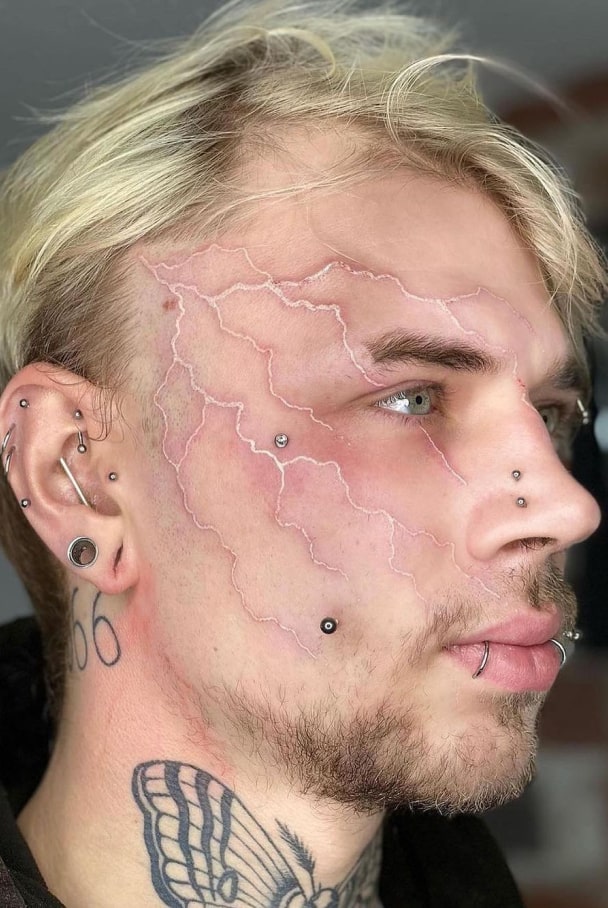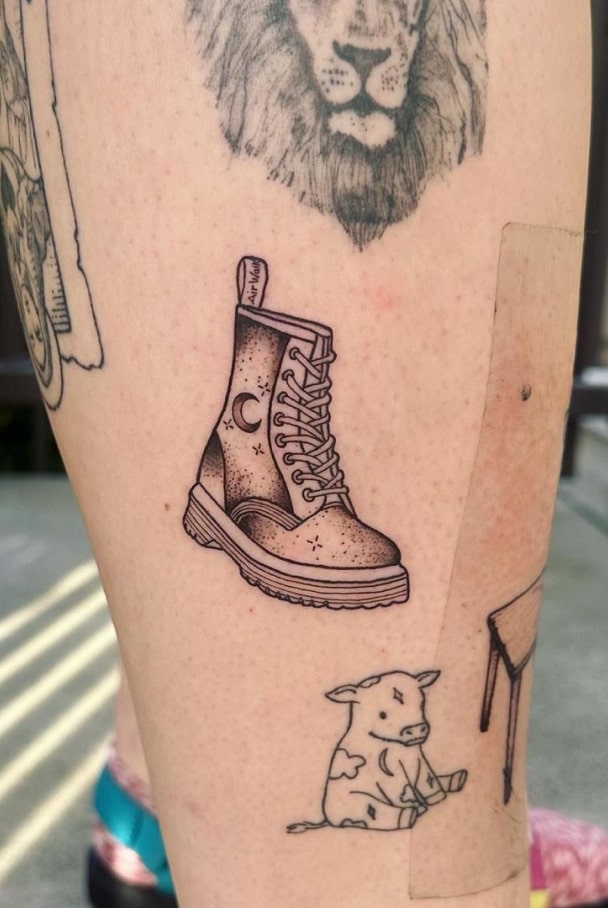


You've got a tattoo booked. You've bought numbing cream. Now the question keeping you up at night: how long does this stuff actually last?
→ Shop TNC: TNC Tattoo Numbing Cream | TNC XL Numbing Cream
The short answer: most quality tattoo numbing creams provide 2 to 4 hours of effective numbness from a single application. But that number swings wildly depending on how you apply it, where on your body you're getting tattooed, and what product you're using.
This guide breaks down exactly what to expect — minute by minute — so you can plan your session and never get caught off guard when the numbness starts to fade.
How Long Does Numbing Cream Last on a Tattoo? Complete Guide (2026)
At TNC, we've helped over 600,000 customers make their tattoo experience more comfortable — here's what we've learned.
How Tattoo Numbing Cream Actually Works
Before we talk duration, you need to understand the mechanism. Tattoo numbing creams contain topical anaesthetics that block nerve signals in the skin from reaching your brain.
Here's the process:
- You apply the cream to clean, intact skin
- Active ingredients absorb through the epidermis into the dermis over 60–90 minutes
- Nerve endings are temporarily blocked — pain signals can't travel to the brain
- You feel pressure but not sharp pain during tattooing
- The effect gradually fades as your body metabolises the anaesthetic
The key word is temporarily. Your body is constantly breaking down and flushing out the anaesthetic. That's why timing your application matters more than almost anything else.
The Realistic Timeline: What to Expect Hour by Hour
Here's what actually happens with a properly applied numbing cream from application to fade:
Minutes 0–60: Application Phase (No Numbness Yet)
You've applied the cream in a thick, even layer and covered it with cling wrap. Right now, the anaesthetic is absorbing into your skin. You won't feel much yet — maybe a slight tingling around the 30-minute mark. Do not remove the cream early. This phase is where most people sabotage their results.
Tip: Apply your numbing cream 60 to 90 minutes before your appointment. If you're driving to the studio, factor in travel time. Apply at home, wrap it, and go.
Minutes 60–90: Peak Numbness Kicks In
This is the sweet spot. By the time you're in the chair and your artist wipes the cream away, the anaesthetic has fully penetrated the dermis. Your skin should feel thick, slightly rubbery, and significantly less sensitive to touch.
When your artist starts tattooing, you'll likely feel pressure and vibration but minimal sharp pain. This is the golden window.
Hours 1–2: Full Effect (The Comfort Zone)
For the first one to two hours of tattooing, you should be sitting comfortably. The anaesthetic is working at its highest concentration in the skin tissue. Most people describe this phase as feeling like someone drawing on you with a ballpoint pen — pressure without the sting.
This is where you'll wonder why anyone gets tattooed without numbing cream.
Hours 2–3: The Gradual Fade
Around the two-hour mark, you'll start to notice sensation returning. It's not a sudden cliff — the numbness fades gradually. You might feel a mild stinging or warmth that wasn't there before. The tattoo needle starts to feel sharper, particularly on passes over the same area.
This is normal. Your body has been metabolising the anaesthetic since application. The concentration in your skin tissue is dropping. You're still partially numb, but the peak has passed.
Hours 3–4: Residual Numbness
By hour three, most of the topical effect has worn off. You'll feel the tattoo — probably not at full intensity, but enough to notice. Some areas that were comfortably numb earlier now feel like a standard tattoo session.
If you planned for a longer session, this is where a mid-session numbing spray becomes your best friend (more on that below).
Hour 4+: Back to Baseline
The cream has fully worn off. You're feeling the tattoo at its natural intensity. For short sessions, this isn't an issue — you're already done. For longer sessions (sleeves, back pieces, large-scale work), you need a strategy.
7 Factors That Affect How Long Numbing Cream Lasts
Not everyone gets the same 2–4 hours. Here's what makes the difference:
1. Application Time
This is the biggest variable. Apply for 60–90 minutes under cling wrap and you'll get maximum absorption. Apply for 20 minutes without a wrap? You've wasted your cream. The anaesthetic needs time to penetrate through the epidermis. There are no shortcuts here.
2. Application Thickness
A thin smear won't cut it. You need a thick, opaque layer — about the thickness of a coin — covering the entire area being tattooed plus a small margin around it. More cream = more anaesthetic available to absorb = longer-lasting effect.
For the full walkthrough on nailing your application technique, check out our step-by-step application guide — it covers thickness, wrapping, timing, and every mistake that kills your numbing.
3. Body Placement
Thinner skin absorbs anaesthetic faster but also metabolises it faster. Areas like the inner wrist, neck, and ribs may numb quickly but fade sooner than thicker-skinned areas like the outer arm, thigh, or calf.
High-blood-flow areas (anywhere with lots of veins close to the surface) also flush the anaesthetic out faster. If you're getting tattooed on a high-pain area like the ribs, factor in a potentially shorter effective window and plan accordingly.
4. Skin Type and Condition
Dry, dehydrated skin absorbs cream less efficiently. If your skin is well-moisturised in the days leading up to your appointment (but not the day of), the cream will absorb more evenly and last longer. Conversely, if you've been sunburned or your skin is irritated, absorption can be unpredictable.
5. Product Strength and Formulation
Not all numbing creams are created equal. The formulation and delivery system matter. Quality formulations use vehicles that enhance absorption and maintain the anaesthetic in the tissue for longer.
Cheap imports (looking at you, mystery creams off marketplace sites) often contain undisclosed or inconsistent formulations. You get what you pay for. Our Signature Tattoo Numbing Cream is specifically formulated for tattoo application with maximum-strength anaesthetic and an absorption-optimised base.
6. Your Body's Metabolism
Everyone processes drugs differently. People with faster metabolisms tend to break down topical anaesthetics quicker. Factors like body temperature, hydration, and even caffeine intake can influence how fast your body clears the anaesthetic from the tissue.
Pro tip: Stay hydrated but avoid excessive caffeine on tattoo day. Caffeine increases blood flow and can accelerate how quickly the numbing wears off.
7. Whether the Skin Has Been Broken
This is the crucial difference between pre-session cream and mid-session spray. Numbing cream is designed to work on intact skin — it has to penetrate through your epidermis to reach the nerve endings beneath. Once your artist starts tattooing and the skin is broken, cream becomes far less effective because the barrier it's designed to penetrate through is already compromised.
That's why mid-session numbing products exist. Miracle Numb Spray is formulated specifically for broken skin — your artist can apply it during the session when your cream starts to fade.
What to Do When the Numbing Cream Wears Off
You've got three options, and the smart move is to plan for all of them:
Option 1: Use a Mid-Session Numbing Spray
This is the play. Mid-session sprays like Miracle Numb are designed to be applied to broken skin during your tattoo session. When you feel the numbness fading (usually around the 2-hour mark), your artist takes a quick break, sprays the area, waits a few minutes, and gets back to work.
The spray won't provide the same depth of numbness as the original cream application, but it takes the edge off significantly — often enough to push through another 1–2 hours comfortably.
For long sessions, the Signature Duo bundle gives you the cream for pre-session application and the spray for mid-session top-ups. It's the complete system.
Option 2: Take Strategic Breaks
If you don't have a mid-session spray, plan breaks into your session. A 10–15 minute break every 90 minutes gives your body (and your pain tolerance) a reset. Walk around, grab water, stretch. You won't be numb, but the mental break helps you push through.
Option 3: Power Through It
Sometimes you're in the final stretch and just need to get it done. Most people find that the pain at the 3–4 hour mark of a tattoo is manageable — not because the numbing cream is still working, but because your body has released its own endorphins by that point. Your natural pain management kicks in. It's not comfortable, but it's survivable.
Common Mistakes That Kill Your Numbing Cream's Duration
Avoid these and you'll get the maximum possible effect:
- Not applying early enough — Slapping it on in the studio car park 10 minutes before your appointment is pointless. You need 60–90 minutes of absorption time.
- Skipping the cling wrap — The wrap creates an occlusive barrier that dramatically improves absorption. Without it, much of the cream evaporates or rubs off before it penetrates.
- Applying to dirty or oily skin — Wash the area with soap and water first. Oil, sweat, and dirt create a barrier between the cream and your skin.
- Using too little — If you can see skin through the cream, you haven't applied enough. Coat the area thickly and evenly.
- Drinking alcohol beforehand — Alcohol thins the blood and increases circulation, which flushes the anaesthetic out of the tissue faster. Save the celebratory drink for after.
- Removing too early — Your artist should remove the cream when you're ready to start. Don't wipe it off early because "it feels numb enough."
For the full breakdown of application dos and don'ts, read our complete guide to applying numbing cream before a tattoo.
How Long Does Numbing Cream Last for Different Tattoo Types?
Here's a practical breakdown by session length:
Small Tattoos (Under 2 Hours)
One application of numbing cream is more than enough. Apply 60–90 minutes before your session and you'll be fully covered for the entire sitting. Most small tattoos — wrist pieces, ankle tattoos, behind-the-ear designs — are done well within the numbing window.
Best setup: Signature Tattoo Numbing Cream alone.
Medium Tattoos (2–4 Hours)
You'll likely get through most of the session comfortably, but may feel the numbness fading toward the end. Having a mid-session spray on hand is smart insurance — even if you don't need it, it's there if you do.
Best setup: Signature Tattoo Numbing Cream + Miracle Numb Spray (or grab the Signature Duo and save).
Large Tattoos / Multi-Hour Sessions (4+ Hours)
No topical numbing cream will carry you through a full-day session on a single application. Plan for the cream to handle the first 2–3 hours, then use a mid-session spray to extend relief. Strategic breaks help too.
For large-scale work (back pieces, full sleeves), most artists recommend splitting the work across multiple sessions anyway. Each session starts fresh with a new numbing cream application.
Best setup: XL Signature Tattoo Numbing Cream + Miracle Numb Spray for maximum coverage and mid-session top-ups.
FAQ: Numbing Cream Duration
How long does tattoo numbing cream take to work?
Most numbing creams take 60 to 90 minutes to reach full effect when applied under cling wrap. You'll start feeling tingling around the 30-minute mark, but peak numbness happens between 60 and 90 minutes. Don't shortcut this — rushing the application is the number one reason people say numbing cream "didn't work."
Can I reapply numbing cream during my tattoo session?
Not effectively on broken skin. Numbing cream is formulated for intact skin — once the tattoo needle has broken the surface, cream won't absorb the same way. For mid-session numbing, use a product specifically designed for broken skin, like a numbing spray that your artist can apply during the session.
Does numbing cream wear off suddenly or gradually?
Gradually. You won't go from completely numb to full pain in an instant. The sensation returns slowly over 30–60 minutes as your body metabolises the anaesthetic. Most people notice a gentle increase in sharpness around the 2-hour mark, with full sensation returning by hour 3–4.
Will numbing cream last longer if I apply more?
To a point, yes. A thicker application provides a larger reservoir of anaesthetic for your skin to absorb, which can extend the effective window. But there's a ceiling — once the skin is saturated, extra cream just sits on top without adding benefit. A thick, coin-depth layer is the sweet spot.
Does tattoo placement affect how long the cream lasts?
Absolutely. Thin-skinned areas with high blood flow (ribs, neck, inner arm) tend to metabolise the anaesthetic faster, shortening the effective window. Thicker-skinned areas (outer arm, thigh, calf) typically hold the numbness longer. Do tattoo artists care if you use numbing cream on these sensitive placements? Most experienced artists are completely supportive — it helps you sit still and lets them do better work.
The Bottom Line
Tattoo numbing cream lasts 2 to 4 hours with proper application. Maximise that window by applying 60–90 minutes before your session, using a thick layer under cling wrap, and keeping your skin clean and hydrated. For sessions longer than 2 hours, bring a mid-session numbing spray as backup.
The biggest mistake people make isn't choosing the wrong cream — it's rushing the application. Give it time, follow the steps, and you'll be sitting comfortably while everyone else white-knuckles through the pain.
Ready to f*ck pain? Grab the Signature Duo — cream for pre-session, spray for mid-session. Complete coverage, start to finish.