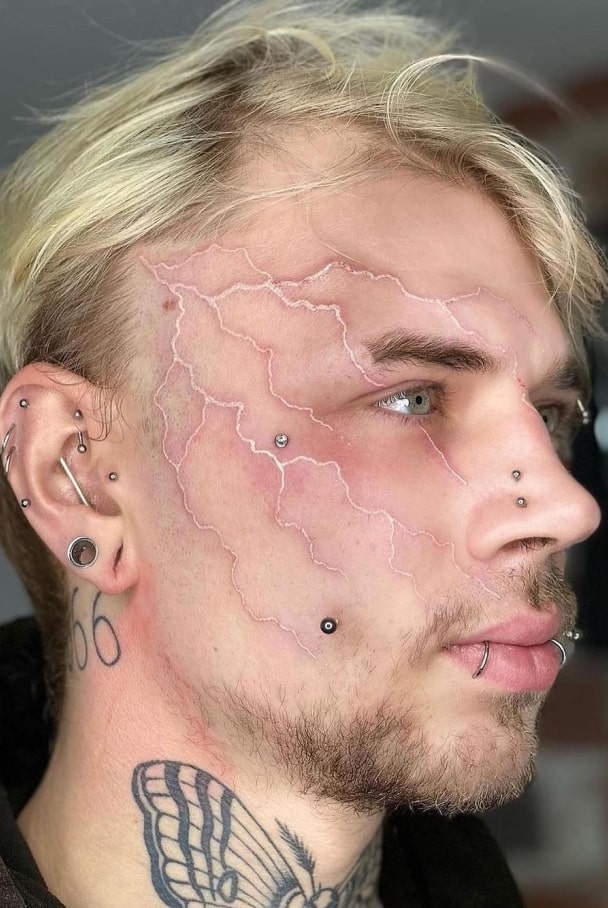
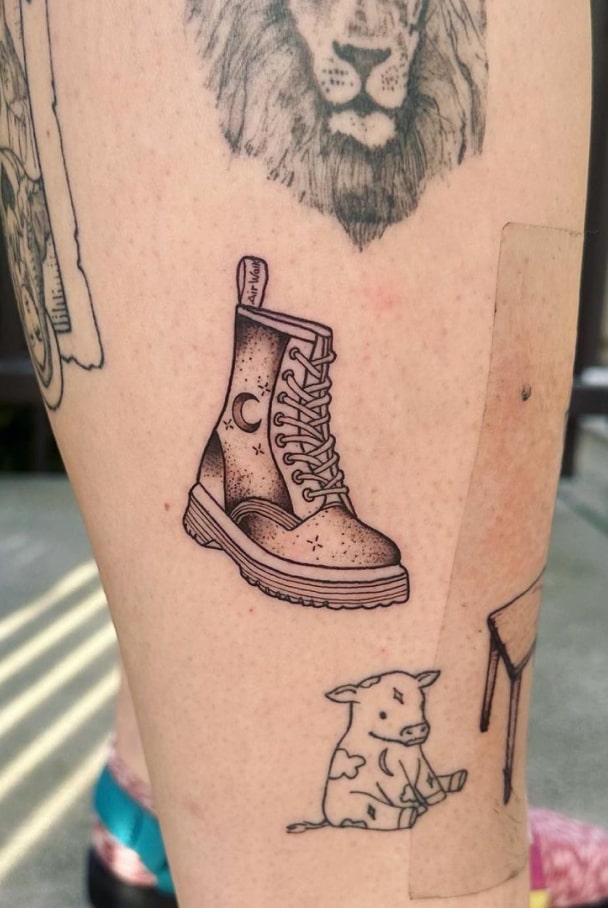
You booked the tattoo, you love it, and now the weather is perfect for the pool or the beach. So the question lands fast: how long do you actually have to stay out of the water? Here is the honest answer, with no vague "just wait a while" fluff.
Short version up top: give it two to four weeks, until the surface has fully closed and the flaking has finished. Below is exactly why, what counts as water you need to avoid, and how to get back in safely.
How long after a tattoo can you go swimming?
Plan on two to four weeks before you swim. Most tattoos close over on the surface within two to three weeks, and the deeper layers carry on settling for a month or so underneath. Swimming is off the table until that surface has fully sealed and stopped peeling.
Why so firm on this? A fresh tattoo is an open wound, even when it looks tidy. Submerging it does three things you do not want. It softens and soaks the skin, it floods the area with whatever is in the water, and it lifts away the scabbing your skin is relying on to heal. Any one of those can fade your ink or invite trouble. Together they are a genuine risk to how the tattoo settles.
Why you cannot swim on a new tattoo
Soaking is the real enemy
A quick rinse in the shower is fine. Sitting in water is not. When a healing tattoo soaks, the skin goes soft, scabs loosen early, and ink can lift with them. This is the single biggest reason pools, baths, and the ocean are off limits while you heal. It is the soaking, more than the water itself, that does the damage.
Pools are harsh on healing skin
Pool water is treated to stay clean, which is great for swimmers and rough on an open wound. On fresh ink it stings, dries the skin out, and can leave the area irritated and blotchy. Even a short dip is enough to set your healing back.
The sea and lakes bring their own problems
Salt water draws moisture out of the skin and can sting a fresh tattoo sharply. Lakes, rivers, and the ocean also carry bacteria that a healing wound simply is not ready to meet. A tattoo that is still closing over has no business being in open water.
Baths and spas count too
People often assume the rule is only about pools. It is not. A long soak in the bath or a sit in a hot tub is exactly the soaking your tattoo cannot handle, with the added heat of a spa making redness and swelling worse. If it means sitting in water, skip it until you are healed.
What you can do while you wait
You do not have to feel grimy for a month. Here is how to stay clean and comfortable without soaking the tattoo:
- Shower, do not soak. Short, lukewarm showers are not just allowed, they are part of good aftercare. Let the water run over the tattoo briefly, then pat it dry. Keep the sessions quick and the temperature down.
- Keep it clean and moisturised. Gentle washing and a light, regular moisturise keep the skin supple as it closes over. A steady aftercare routine is what gets you back in the water sooner rather than later.
- Protect it from the sun. If you are at the pool or beach watching everyone else swim, keep the fresh tattoo covered and out of direct sun. Sun on healing ink fades it fast.
- Do not pick or scratch. The flaking stage is itchy, and the urge to help it along is strong. Let it shed on its own. Picking early is how patchy spots happen.
Does numbing cream help before a day at the water?
If you are planning a beach or pool day and want to get a small tattoo done beforehand, timing is everything. Get the tattoo with enough runway to heal before you swim, not the morning of. A good numbing cream applied before your session keeps the appointment itself calm and comfortable, especially on the tender spots, so you can focus on healing cleanly afterwards rather than white knuckling the chair.
How to get back in the water safely
When your two to four weeks are up and the tattoo looks and feels fully healed, meaning no scabs, no flaking, no raised or shiny patches, you are good to swim again. A few sensible habits for the first few times back:
- Rinse off with clean water after the pool or sea to clear away chlorine or salt.
- Moisturise once you are dry, since swimming pulls moisture out of the skin.
- Keep sunscreen on the tattoo once it is fully healed. Sun is the number one cause of faded ink over the years, so protecting it every time you are out keeps it sharp.
Is it worth waiting?
Completely. A few weeks of showers instead of swims is nothing against years of a crisp, bold tattoo. Rush back into the water early and you risk fading, patchiness, and a healing process that drags on far longer than it needed to. Hold off, heal it properly, and the tattoo rewards you for the rest of its life.
Frequently asked questions
How long should I wait to swim after a tattoo?
Wait two to four weeks, until the surface has fully closed and all the flaking has stopped. Swimming before then soaks the skin and can fade the ink or slow your healing.
Can I go in the pool if I cover my tattoo?
It is not worth it. Waterproof coverings rarely seal fully, and even a little pool water reaching a fresh tattoo can irritate it. The safest move is to stay out of the pool until the tattoo is healed.
Is salt water or chlorine worse for a new tattoo?
Both are a problem. Chlorine dries and stings healing skin, while salt water pulls moisture out and open water carries bacteria. Neither is safe for a tattoo that is still closing over.
Can I shower after a tattoo even if I cannot swim?
Yes. Short, lukewarm showers are completely fine and part of keeping the tattoo clean. The thing to avoid is soaking, so showers are in and baths, pools, and the sea are out until you are healed.
What happens if I swim too soon after a tattoo?
You risk the ink fading or lifting, patchy spots where scabs came away early, and irritation from the water. In short, you can undo the work and end up needing a touch up, so waiting is well worth it.