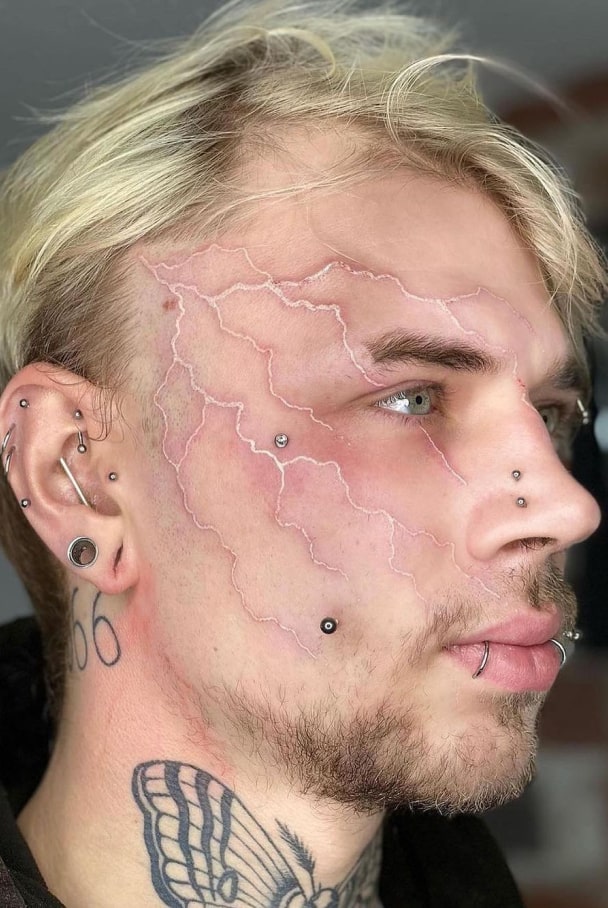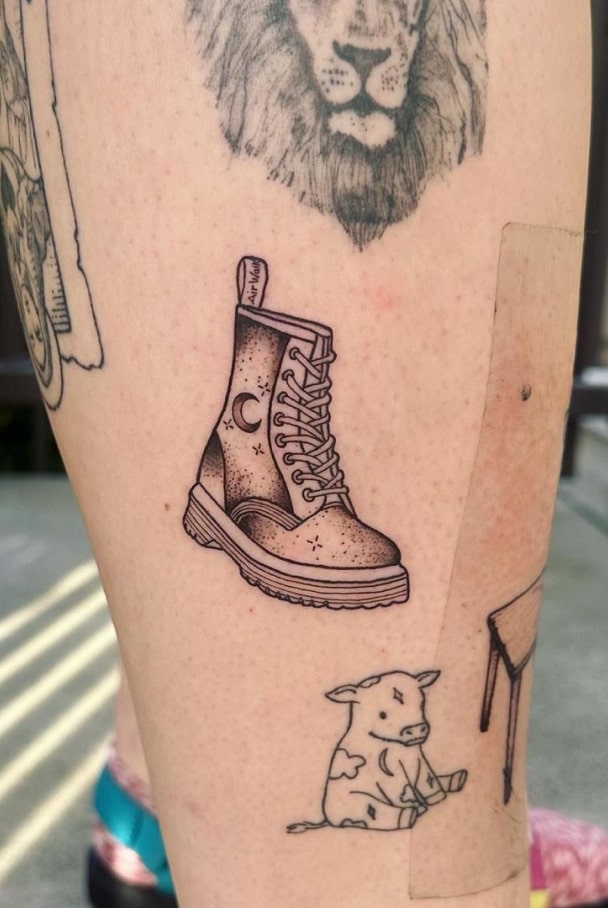


You just walked out of the studio with fresh ink. It looks incredible. Now comes the part most people mess up: the first 48 hours.
→ Shop TNC: TNC Tattoo Numbing Cream | Easy Heal Balm
This window is make-or-break for your tattoo. What you do (and don't do) in the next two days determines how your tattoo heals, how vibrant the colours stay, and whether you end up with an infection or a masterpiece.
Here's exactly what to do, hour by hour.
Tattoo Aftercare: The First 48 Hours (Hour-by-Hour Guide)
Why the First 48 Hours Matter Most
Your fresh tattoo is an open wound. The needle has punctured your skin thousands of times, depositing ink into the dermis while creating micro-trauma across the entire surface. Your body immediately launches a healing response:
- Blood and plasma rush to the area to begin wound repair
- White blood cells arrive to fight potential infection
- The skin begins rebuilding its protective barrier
During this window, your tattoo is at maximum vulnerability. The skin barrier is compromised, which means:
- Bacteria can enter easily → infection risk
- Ink can be pulled out → faded or patchy tattoo
- Irritants can cause inflammation → delayed healing
Every aftercare step in the first 48 hours exists to support your body's natural healing while keeping contaminants out.
Hour 0–2: Leave the Bandage On
Your tattoo artist will cover your fresh tattoo with either:
- Cling film / TNC Arm/Leg Sleeve — traditional method, remove after 2–4 hours
- Second skin / adhesive film (like Saniderm, Dermalize, or Tattoo Med) — leave on for 24–48 hours
Leave it on for at least 2 hours. Don't peek. Don't poke. The wrap is protecting an open wound from airborne bacteria, your clothes, and your own hands (which are covered in bacteria no matter how clean you think they are).
If you have second skin / adhesive film:Leave it on for the full 24–48 hours unless your artist says otherwise. This is the newer, preferred method. The adhesive film creates a sealed, breathable barrier that:
- Traps plasma and blood (which aids healing)
- Prevents bacterial contamination
- Eliminates the need for repeated washing in the first 24 hours
- Reduces scabbing significantly
You'll see blood, plasma, and excess ink pool under the film. This looks gross. It's completely normal. That's your body doing its job.
Hour 2–4: First Wash (Cling Film Method)
Skip this step if you're wearing second skin — keep the film on.When it's time to remove the cling film:
- Wash your hands thoroughly with antibacterial soap — this is non-negotiable
- Gently peel off the cling film — it might stick slightly to plasma/blood
- Run lukewarm water over the tattoo (not hot, not cold)
- Using clean fingers, gently wash the tattoo with a mild, fragrance-free soap. Don't use a washcloth, sponge, or anything abrasive.
- Rinse thoroughly — any soap residue left on the tattoo can irritate it
- Pat dry with a clean paper towel — not a regular towel. Towels harbour bacteria. Paper towels are disposable and clean.
- Let it air dry for 5–10 minutes before applying anything
What soap to use:
- Fragrance-free, dye-free liquid soap
- Antibacterial if available (like Dial Gold or similar)
- Avoid: bar soap (bacteria breeding ground), heavily scented soap, exfoliating body wash, anything with alcohol
Hour 4–12: First Moisturise
After your tattoo is clean and dry, apply a thin layer of aftercare product. Emphasis on thin — your tattoo needs to breathe.
Good options:- Fragrance-free, water-based moisturiser (like Lubriderm or CeraVe)
- Dedicated tattoo aftercare balm
- A&D ointment (thin layer only — some artists recommend this for the first day only)
- TNC's aftercare products — specifically formulated for tattooed skin
- Vaseline / petroleum jelly — traps moisture and bacteria, suffocates the wound
- Coconut oil — can clog pores and trap bacteria
- Anything with fragrance, alcohol, or harsh chemicals
- Neosporin / antibacterial ointments — can actually cause allergic reactions on tattooed skin (surprisingly common)
Hour 12–24: The First Night
Sleeping with a fresh tattoo takes a bit of planning:
Bedding
- Put clean sheets on your bed (or at least a clean pillowcase and towel over where the tattoo will rest)
- Expect some ink and plasma to transfer onto your sheets — this is normal. Use old sheets you don't mind staining.
Sleeping position
- Try to sleep so the tattoo isn't pressed against the mattress or bunched into a fold
- If it's on your arm, sleep on your back or opposite side
- If it's on your back, sleep on your stomach or side
Re-wrapping at night?
This is debated. Some artists recommend loosely wrapping in fresh cling film for the first night to prevent sticking to sheets. Others say let it breathe. Follow your specific artist's advice. If they didn't say either way, letting it breathe is generally fine as long as your sheets are clean.
What's normal overnight:
- Plasma weeping (clear/yellowish fluid) — this is your body's wound response
- Some ink transfer onto sheets — normal, doesn't mean your tattoo is ruined
- Slight swelling and warmth — your immune system is working
- The tattoo feeling tight or itchy — early healing sensation
What's NOT normal:
- Extreme swelling beyond the tattoo area
- Hot to touch with spreading redness (possible infection)
- Pus (thick, white/green/yellow discharge) — different from clear plasma
- Fever or chills
If you experience any of the "not normal" signs, see a doctor.
Hour 24: Morning Wash (Day 2)
When you wake up:
- Wash your hands (always first)
- Gently wash the tattoo with lukewarm water and your fragrance-free soap
- The tattoo might have dried plasma/ink on it — let the warm water soften it before gently washing. Don't pick or scrub.
- Pat dry with paper towel
- Air dry for 5–10 minutes
- Apply thin layer of moisturiser
If you're wearing second skin film and it's been 24 hours, you have two options:
- Keep it on for another 24 hours (up to 48 hours total) if it's still sealed and not excessively full of fluid
- Remove it by pulling slowly under warm running water. Then follow the wash steps above.
Hour 24–48: The Routine Sets In
For the rest of Day 2, your job is simple:
Wash 2–3 times per day
- Morning, midday/afternoon, and evening
- Same process: warm water, gentle soap, pat dry, air dry, thin moisturise
- Don't over-wash — 2–3 times is enough. More than that strips beneficial oils
Keep it dry between washes
- No soaking in water (no baths, pools, hot tubs, ocean)
- Quick showers are fine — don't let the shower stream blast directly on the tattoo
- If it gets wet from rain or sweat, gently pat dry
Keep it out of the sun
- UV exposure on a fresh tattoo is one of the worst things you can do
- Sun damages the healing skin and can permanently fade fresh ink
- Cover with loose clothing if you need to go outside
- Do not apply sunscreen to a fresh tattoo — it contains chemicals that can irritate an open wound. Wait until fully healed (2–4 weeks minimum) before using sunscreen.
Don't touch it
- Your hands are bacteria factories
- Only touch the tattoo during washing, with freshly washed hands
- Don't let other people touch it, pet it, or poke it
- Don't scratch it — itching is normal. Pat it gently if you must.
Wear loose clothing
- Tight clothing rubbing against a fresh tattoo causes irritation and can pull out ink
- Breathable fabrics (cotton) over synthetic
- If the tattoo is in a high-friction area (waistband, bra strap, sock line), be extra careful with clothing choices
What to Expect: Normal vs Concerning Signs
Normal in the First 48 Hours:
- ✅ Redness and mild swelling around the tattoo
- ✅ Warmth in the area
- ✅ Clear/yellowish plasma weeping
- ✅ Some ink appearing on bandages or sheets
- ✅ Tight, slightly itchy feeling
- ✅ Colours looking very bright and "wet" — they'll settle after healing
Concerning (Contact Your Artist or Doctor):
- ❌ Redness spreading well beyond the tattoo edges
- ❌ Thick pus (white, green, or yellow)
- ❌ Fever, chills, or feeling generally unwell
- ❌ Red streaks radiating from the tattoo
- ❌ Foul smell from the tattoo
- ❌ Extreme pain that increases after Day 1 (some pain is normal, escalating pain is not)
Most tattoo infections are caught and treated easily if you act quickly. Don't wait days hoping it gets better on its own. For a deeper dive on infection symptoms, read our guide on tattoo infection signs and when to worry.
The 48-Hour Checklist
By the time you hit the 48-hour mark, you should have:
- ☐ Removed initial bandage/wrap after recommended time
- ☐ Washed tattoo 4–6 times total (2–3 per day)
- ☐ Applied thin moisturiser after each wash
- ☐ Slept on clean sheets
- ☐ Avoided submerging in water
- ☐ Avoided sun exposure
- ☐ Worn loose, breathable clothing over the area
- ☐ Kept hands off except during washing
- ☐ Monitored for infection signs
- ☐ Not scratched or picked at the tattoo
If you've checked all those boxes, you're through the most critical phase. The tattoo will continue healing over the next 2–4 weeks (scabbing, peeling, itching), but the infection risk drops significantly after the first 48 hours.
What Comes Next (Days 3–14)
After the 48-hour mark:
- Continue washing 2x daily and moisturising
- The tattoo will start to feel dry and may begin to flake or peel (like a sunburn) — this is normal
- Do not pick the scabs or peeling skin — this pulls out ink and can cause scarring
- The itching may intensify as healing progresses — moisturise and resist
- Avoid working out hard for 3–5 days (sweat + bacteria + friction = bad)
- Stay out of pools, hot tubs, and oceans for at least 2 weeks
For a complete day-by-day healing timeline, check out our tattoo healing stages guide. And if you're prepping for your first tattoo, our 24-hour preparation countdown covers everything from what to eat to what to wear.
Planning Your Next Session?
If this tattoo is part of a larger piece and you have another session booked, you'll want to make sure the area is fully healed before your artist works on it again. Most artists recommend waiting 2–4 weeks minimum between sessions, depending on the area and your healing speed.
For your next session, set yourself up for success with numbing cream applied 60–90 minutes before your appointment. And for sessions over 3 hours, numbing spray extends your pain relief to 6+ hours. Read our guide on how to sit still during a long tattoo session for more tips.
The first 48 hours are everything. Get them right and the rest of your healing is smooth. Get them wrong and you're dealing with faded ink, infection scares, and extended healing times. Follow this guide, listen to your artist, and give your body what it needs to do its job. Your tattoo will thank you.
Frequently Asked Questions
How long does a tattoo take to fully heal?
Surface healing takes 2–3 weeks. Full healing through all skin layers takes 2–6 months. Following a consistent aftercare routine protects the final result and prevents complications.
What should I put on my new tattoo?
Use a gentle fragrance-free soap for cleaning and a dedicated tattoo balm or salve for moisturising. Avoid petroleum-based products like Vaseline — they trap moisture and can pull ink.
What should I avoid during tattoo healing?
Avoid direct sun exposure, swimming, picking or scratching, tight clothing over the area, and submerging in water until the surface is fully healed.