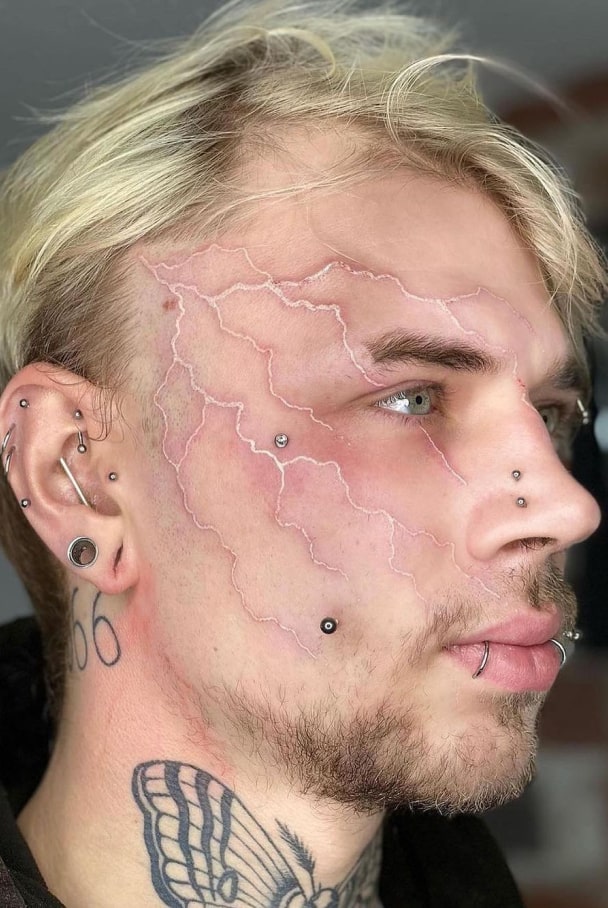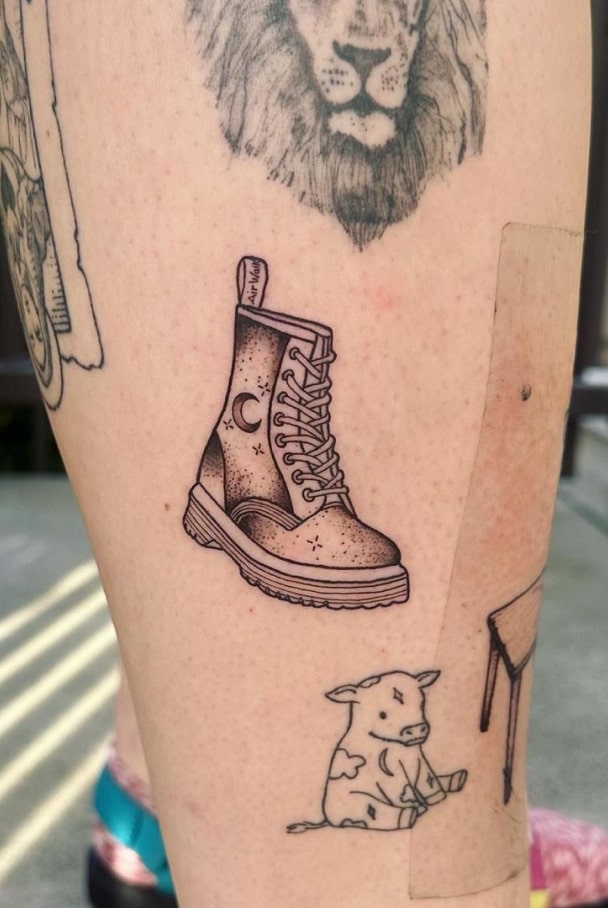


If you are planning your next piece, the first question is almost always the same. How much is this going to hurt? The honest answer is that it depends heavily on where you put it. Some spots barely register above a warm scratch, while others make even seasoned collectors grit their teeth. This is your full map of tattoo pain by body part, ranked from the gentlest zones to the ones that really test you.
What actually makes a tattoo hurt
Pain during tattooing comes down to a few simple things. Thin skin over bone tends to feel sharp and rattly. Areas rich in nerve endings read as electric and intense. Soft, fleshy zones with more padding usually feel more like a dull, tolerable scratch. Movement matters too, because joints and flexing areas stay tender for longer. Once you understand these patterns, the pain map starts to make a lot of sense.
The four things that drive tattoo pain
Skin thickness, nerve density, closeness to bone, and how much the area moves. Nearly every ranking below tracks back to one of these four factors. Knowing them helps you predict how a new placement will feel, even one that is not on this list.
Low pain zones: the easy wins
These areas have more cushioning, fewer sensitive nerve endings, and skin that sits away from bone. They are a great choice for a first tattoo or a longer session where you want to stay relaxed.
Outer upper arm
The outer bicep and upper arm are widely considered the most comfortable place to get tattooed. There is plenty of muscle, the skin is fairly thick, and it sits well away from bone. Most people describe it as an easy, steady scratch. If you want your first ink somewhere forgiving, start here.
Forearm
The forearm is another crowd favourite. It offers a good canvas, heals well, and delivers only mild discomfort for most people. The inner forearm is slightly more tender than the outer, but neither is dramatic.
Outer thigh and calf
The outer thigh is roomy, muscular, and low on the pain scale, which makes it perfect for larger designs. The calf follows closely behind, offering a mild to moderate experience thanks to its muscle padding.
Moderate pain zones: manageable but noticeable
Here the sensation steps up. You will feel it clearly, but most people handle these areas without much trouble, especially with good preparation.
Upper back and shoulders
The upper back and the meat of the shoulder sit in comfortable territory, but the closer you drift toward the spine or shoulder blade, the sharper it gets. Muscle keeps most of this zone reasonable.
Thigh (inner) and upper arm (inner)
Flip to the inner surfaces and the story changes. The inner thigh and inner bicep are softer and more sensitive, so they climb into the moderate to high band. The skin is thinner and more reactive than the outer counterparts.
Lower back
The lower back is a classic placement that lands in the middle of the scale. It has enough padding to stay tolerable, though the area nearer the spine turns up the intensity.
High pain zones: brace yourself
These spots feature thin skin, prominent bone, or clusters of nerve endings. They are absolutely doable, but they demand focus and a little grit.
Ribs and sternum
The ribs are one of the most talked about painful placements for good reason. Thin skin stretches directly over bone, and every breath moves the canvas. The sternum, right down the centre of the chest, is similarly intense. Expect a sharp, deep sensation that builds over a long session.
Elbow and knee
Both the elbow and the knee involve skin pulled tight over bone with very little padding. The funny bone feeling around the elbow ditch is unmistakable, and the kneecap can be genuinely brutal. These joints also flex constantly, so healing takes patience.
Feet and ankles
The top of the foot and the ankle are thin skinned and bony, with tendons and nerves close to the surface. They rank high on almost every pain map and can feel vibratory and sharp throughout.
Extreme pain zones: the true test
These are the placements collectors warn each other about. Incredibly sensitive, nerve dense, or paper thin, they sit at the very top of the scale.
Armpit
The armpit is often named the single most painful place to be tattooed. It is loaded with nerve endings and lymph nodes, and the skin is soft and thin. Most people find it hard to sit through for long.
Inner and outer wrist
The wrist packs a lot of nerves into a small, bony area. The inner wrist in particular feels sharp and electric because the skin is thin and delicate.
Hands, fingers, and neck
Hands and fingers are bony, busy, and full of nerve endings, which makes them intense and slow to heal. The neck and throat are highly sensitive and close to the spine, delivering a sharp, buzzing feeling. The head, face, and genitals round out the most extreme tier for anyone chasing a full body map.
Quick tattoo pain scale summary
From gentlest to most intense, a rough order looks like this. Outer arm, forearm, and outer thigh sit lowest. Calf, upper back, and shoulder land in the mild to moderate range. Lower back, inner arm, and inner thigh climb into moderate to high. Ribs, sternum, elbow, knee, feet, and ankles hit the high band. Armpit, wrist, hands, fingers, neck, head, and face top the chart. Remember that pain is personal, so your experience may shift a place or two either way.
How to make any placement easier
Pain is not something you simply have to endure. A few smart moves go a long way. Eat a proper meal beforehand, stay hydrated, and get a good night of sleep so your body copes better. Breathe slowly and steadily rather than holding your breath. Take breaks on longer sessions, and choose a calmer placement for your first piece if you are nervous.
The most effective single step for the tougher zones is a quality numbing cream applied before you sit down. It takes the edge off the sharpest areas so you can relax and let your artist do their best work. You can browse our numbing range and healing essentials in our full collection here, where you will find everything for a calmer session and a cleaner heal from start to finish.
The bottom line
Where you place a tattoo shapes how it feels far more than most people expect. Fleshy, muscular zones stay easy, while thin skin over bone and nerve rich areas push toward the top of the scale. Pick your placement with open eyes, prepare well, and lean on a good numbing cream for the tender spots. Do that, and even the fiercest area on this map becomes something you can sit through with confidence. Ready to plan your next piece? Explore our numbing and aftercare essentials in the TNC collection and set yourself up for a smoother session.