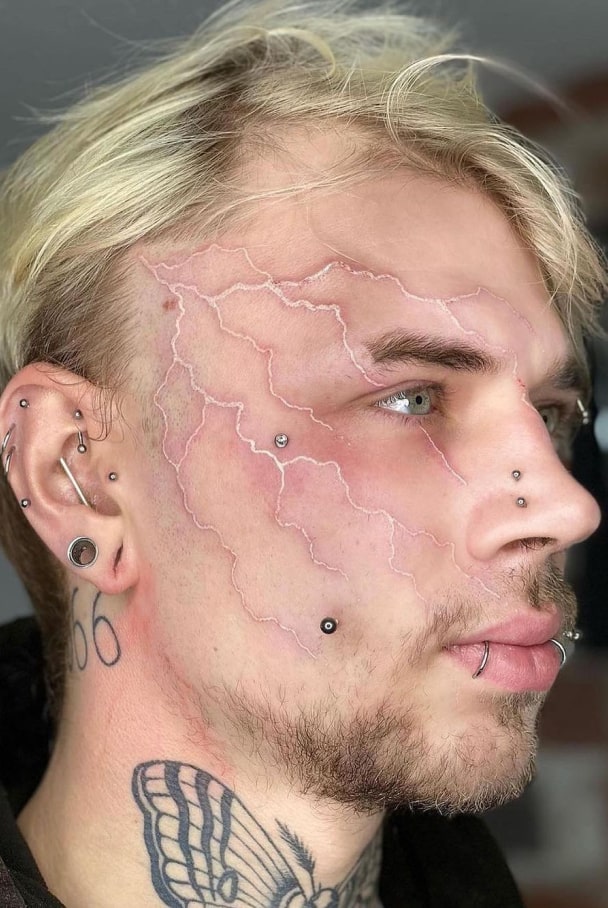


You've probably seen the viral clips by now.
→ Shop TNC: TNC Tattoo Numbing Cream | TNC XL Numbing Cream
NFL star Trent McDuffie getting a full chest-and-sleeve tattoo while completely unconscious. Celebrities being wheeled into operating rooms — not for surgery, but for ink. TikTok blowing up with people going under general anesthesia just to avoid the needle.
It's wild. And it's raising a question that more people are Googling than ever before: is getting a tattoo under sedation worth it?
Short answer: for 99% of people, absolutely not.
Here's the full breakdown — cost, safety, results, and the option that actually makes sense.
Tattoo Under Sedation vs Numbing Cream: Cost, Safety & What's Best (2026)
At TNC, we've helped over 600,000 customers make their tattoo experience more comfortable — here's what we've learned.
What Is Tattoo Sedation?
Getting a tattoo under sedation means receiving medical-grade anesthesia — the same kind used for surgeries — so you're unconscious (or heavily sedated) while the tattoo artist works.
A handful of studios in the US now offer this as a premium service, including Sedation Ink in Miami and The California Dream in Los Angeles. These aren't your typical tattoo shops. They operate more like medical facilities, complete with board-certified anesthesiologists, surgical scrubs, IV drips, and recovery rooms.
The idea is simple: you fall asleep, the artist works uninterrupted for hours, and you wake up with a finished piece. No pain, no flinching, no breaks.
Sounds perfect, right? Let's talk about what they don't put in the TikTok captions.
How Much Does a Tattoo Under Sedation Cost?
This is where reality hits hard.
| Service | Typical Cost | |---|---| | Tattoo under general anesthesia (back piece) | $30,000 – $35,000 | | Tattoo under sedation (large piece) | $30,000 – $100,000 | | Traditional tattoo (same back piece, no sedation) | $5,000 – $15,000 | | Numbing cream (entire session) | $30 – $80 |
That's not a typo. USA Today reported that a single back tattoo under general anesthesia runs $30,000 to $35,000 through studios like The California Dream in LA. Sedation Ink in Miami quotes $30,000 to $100,000 depending on the design, session length, and whether you want overnight nursing care.
For context, that's the price of a new car. Or a house deposit. Or roughly 1,000 tubes of numbing cream.
The cost breakdown includes:
- Anesthesiologist fees (typically $3,000–$5,000+ per session)
- Operating room rental ($2,000–$10,000+ per day)
- Pre-op medical evaluation ($500–$2,000)
- The actual tattoo (artist fees on top of everything above)
- Post-op monitoring and recovery (additional costs)
Is Getting a Tattoo Under Sedation Safe?
Here's where it gets serious.
The American Society of Anesthesiologists (ASA) has published official guidance on this exact topic. Their position: anesthesia for tattoos carries the same risks as anesthesia for surgery.
Those risks include:
- Breathing complications — general anesthesia can slow or stop your breathing
- Heart rate irregularities — your cardiovascular system is suppressed
- Allergic reactions to anesthetic agents
- Nausea, vomiting, and confusion during recovery
- Aspiration — inhaling stomach contents while unconscious
- In rare cases, death
In January 2025, a 45-year-old influencer died after going under general anesthesia for a back tattoo in Brazil. Doctors across the US have since spoken out against the trend, with anesthesiologist Dr. Tiffany Moon calling out TikTok videos showing patients who didn't appear properly intubated during sessions.
The bottom line from medical professionals: the risk of general anesthesia is "never zero," even when administered by board-certified doctors in proper facilities. Using it for a cosmetic procedure that has perfectly safe alternatives? That's a risk-benefit equation that doesn't add up.What About Numbing Cream?
Numbing cream is the alternative that 99% of people should be using instead.Here's how it works: you apply a topical numbing cream to your skin 60–90 minutes before your tattoo session. The cream numbs the area so you feel significantly less pain during tattooing — without any of the risks associated with general anesthesia.
The key differences:
| Factor | Sedation | Numbing Cream | |---|---|---| | Cost | $30,000 – $100,000 | $30 – $80 | | Medical risks | Breathing failure, cardiac events, death | Minimal (skin irritation in rare cases) | | Recovery time | Hours (grogginess, nausea, monitoring) | None | | Requires a doctor | Yes — board-certified anesthesiologist | No — apply at home | | Pain reduction | 100% (you're unconscious) | 80–90% (significant reduction) | | Available everywhere | 3–4 studios in the US | Online, delivered to your door | | Duration | Session length (while sedated) | Up to 3–4 hours per application | | Mid-session top-up | N/A | Yes — with numbing spray on broken skin |
With a quality numbing cream and a mid-session numbing spray, you can manage pain effectively for up to 6 hours — enough for even large pieces. And if your session runs longer than that, you split it across sessions like tattoo artists have been doing for decades.
Who Is Sedation Actually For?
To be fair, there are a small number of people who might genuinely benefit from tattoo sedation:
- People with severe needle phobia who physically cannot sit in a tattoo chair
- Those with medical conditions that make staying still for long periods dangerous or impossible
- Extreme pain sensitivity conditions like fibromyalgia or certain nerve disorders
- Very large, complex pieces (full body suits) where the client has unlimited budget and wants it done in one shot
If you're a regular person who just doesn't love pain (welcome to the club — nobody does), numbing cream is the answer. Not a $35,000 operating room.
How to Actually Prep for a Pain-Free Tattoo (Without Sedation)
Here's the smart approach — the one that tattoo artists actually recommend:
Step 1: Apply Numbing Cream Before Your Session
Apply a thick layer of TNC Signature Tattoo Numbing Cream to the tattoo area 60–90 minutes before your appointment. Cover it with TNC Arm/Leg Sleeve to activate the cream. For a detailed guide, read our step-by-step application guide.
Step 2: Use Numbing Spray for Mid-Session Top-Ups
Once your artist has been working and the skin is broken, switch to Miracle Numb Spray for top-ups. Unlike most numbing products, this spray is specifically designed for use on broken skin — extending your pain-free window up to 6 hours total.
Step 3: The Basics Still Matter
- Get a solid night's sleep before your appointment
- Eat a proper meal 1–2 hours beforehand
- Stay hydrated (but skip the alcohol — it thins your blood)
- Wear comfortable, loose clothing
- Bring snacks, headphones, and something to watch
Step 4: Communicate With Your Artist
Let your tattoo artist know you're using numbing cream. Most artists are completely fine with it — many actively encourage it because clients sit still better and sessions go smoother.
The Verdict: Save $34,970 and Skip the Operating Room
Look, if you're Trent McDuffie and you want a full body suit done in one marathon session because you've got an NFL salary and a medical team on standby — go for it.
For everyone else? The maths is simple:
- $30 numbing cream vs $30,000+ sedation
- Zero medical risk vs real surgical risks including death
- Apply at home vs operating room with IV sedation
- Available immediately vs 3-4 studios in the entire US
The sedation tattoo trend makes for incredible TikTok content. But as an actual pain management strategy for getting a tattoo? It's like hiring a helicopter to avoid traffic. Technically works, wildly impractical, and there's a perfectly good road right there.
Numbing cream exists. It works. It costs less than dinner. Use it.
FAQ: Tattoo Sedation vs Numbing Cream
How much does it cost to get a tattoo under anesthesia?
Tattoo sedation typically costs between $30,000 and $100,000, depending on the studio, design complexity, session length, and whether additional services like overnight nursing are included. This is on top of the normal tattoo artist fees. A back piece under general anesthesia runs approximately $30,000–$35,000 at studios like The California Dream in Los Angeles.
Can you die from getting a tattoo under anesthesia?
Yes — general anesthesia carries inherent risks including breathing failure, cardiac complications, and in rare cases, death. In January 2025, a 45-year-old influencer died after undergoing general anesthesia for a back tattoo. Medical professionals stress that while anesthesia is generally safe when administered correctly, "the risk is never zero."
Is numbing cream safer than sedation for tattoos?
Significantly safer. Numbing cream is a topical product applied to the skin surface. The most serious potential side effects are mild skin irritation or allergic reaction. General anesthesia, by contrast, suppresses your breathing and cardiovascular function and requires constant monitoring by a board-certified anesthesiologist.
Does numbing cream actually work for tattoos?
Yes. Quality numbing creams using a professional-grade numbing formula can reduce tattoo pain by 80–90%. Applied 60–90 minutes before your session and combined with a mid-session numbing spray, you can maintain effective pain relief for up to 6 hours. Over 500,000 customers have used TNC numbing products for pain-free tattoo sessions.
Why are celebrities getting tattoos under anesthesia?
The trend started with high-net-worth clients wanting large, complex pieces completed in single marathon sessions (8–12+ hours). Sedation allows the artist to work continuously without breaks for pain management. However, the same result — reduced pain during long sessions — can be achieved with numbing cream and spray at a fraction of the cost and with zero surgical risk.
Last updated: April 2026