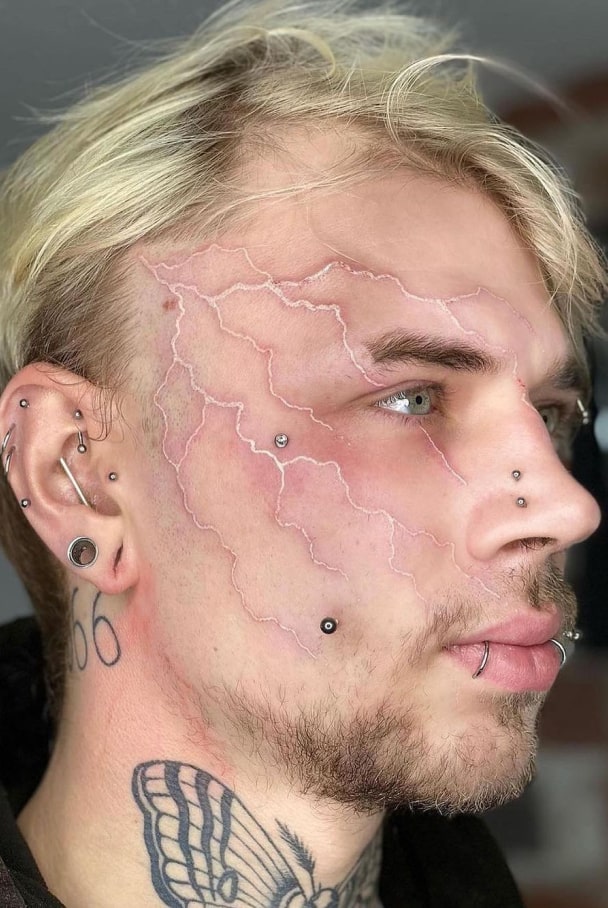


You did everything right. Applied the cream, wrapped it up, waited patiently. Then the needle hit and — holy sht, you felt everything*.
→ Shop TNC: TNC Tattoo Numbing Cream | TNC XL Numbing Cream
Numbing cream not working is one of the most frustrating experiences in the tattoo world. But before you declare all numbing products a scam, let's figure out what actually went wrong. Because 99% of the time, it's not the cream — it's the method.
Here are the 8 most common reasons your numbing cream didn't work, and exactly how to fix each one.
Why Your Numbing Cream Isn't Working: 8 Reasons + Fixes (2026 Guide)
1. You Didn't Leave It On Long Enough
The problem: This is the #1 reason numbing cream fails. Most people apply it 15–20 minutes before their appointment and wonder why they still feel pain. The science: numbing agent — the active ingredient in most tattoo numbing creams — needs time to penetrate through the epidermis (outer skin layer) and reach the nerve endings beneath. This isn't instant. The cream has to work through a physical barrier (your skin) that's literally designed to keep things out. The fix: Apply your numbing cream 30–60 minutes before your appointment. Not 10 minutes, not "in the car on the way." Set a timer. The difference between 15 minutes and 45 minutes of application time is the difference between "this doesn't work" and "I barely felt anything."For a detailed walkthrough, check out our step-by-step application guide.
2. You Didn't Wrap It (Or Wrapped It Wrong)
The problem: You applied the cream and just... left it exposed to the air. Or used a loose bandage that didn't seal properly. The science: Numbing cream works through occlusion — sealing the cream against your skin so it can't evaporate and is forced to absorb downward into the tissue. Without an occlusive barrier, up to 50% of the active ingredient can evaporate or dry out before it penetrates. The fix: After applying a thick, even layer of numbing cream (you should be able to see it sitting on the skin — don't rub it in like lotion), cover the area with cling film (TNC Arm/Leg Sleeve). Smooth it down so there are no air pockets. The cling film creates the airtight seal that drives the numbing agent into your skin instead of into the air.3. You Used a Low-Quality or Expired Product
The problem: Not all numbing creams are created equal. The market is flooded with cheap imports, unregulated products, and creams that contain barely enough active ingredient to numb a mosquito bite. The science: numbing concentration matters. Products with 4–professional-strength are the standard for effective topical numbing. Some bargain products contain as little as 1–2%, or use alternative ingredients like surface numbing agent alone, which has weaker numbing properties and a shorter duration.Additionally, expired numbing cream loses potency. numbing agent degrades over time, especially if exposed to heat or sunlight.
The fix:- Use a reputable brand with clearly labelled active ingredients and concentration
- Check the expiry date before every use
- Store your cream in a cool, dry place (not your car glove box in summer)
- Be skeptical of ultra-cheap imports — some unregulated products have received safety warnings from regulators for containing undisclosed or dangerously high concentrations
4. You Applied It To the Wrong Area (Or Not Enough)
The problem: You covered 80% of the tattoo area but missed the edges. Or you applied a thin, transparent layer thinking a little goes a long way. The science: Numbing cream only works where it makes direct contact with skin. If you miss the outline area of your tattoo, the first thing your artist draws — the outline — will hurt the most. And a thin layer means less active ingredient available for absorption. The fix: Apply a thick, opaque layer that covers the entire tattoo area plus about 1–2cm beyond the edges in all directions. This accounts for stencil adjustments and ensures the full working area is numbed. One tube of TNC Signature Tattoo Numbing Cream covers approximately 20cm² — about the size of your palm.5. You Drank Alcohol or Coffee Before Your Session
The problem: Had a few drinks the night before or smashed a double espresso on the way to the studio? Both can reduce numbing cream effectiveness. The science:- Alcohol is a vasodilator — it widens blood vessels and increases blood flow. This carries the numbing agent away from the nerve endings faster, reducing both the depth and duration of numbing.
- Caffeine also increases blood flow and can raise your pain sensitivity. Your nervous system is more "awake" and responsive to stimuli.
6. The Tattoo Is in a High-Pain Area
The problem: You used numbing cream on your ribs, feet, sternum, or inner elbow and expected to feel nothing. But those areas still hurt. The science: Numbing cream dulls pain — it doesn't eliminate it entirely, especially in areas with:- Thin skin (wrists, feet, inner elbow)
- High nerve density (ribs, sternum, armpit, groin)
- Minimal fat padding (spine, kneecap, ankle)
These areas have more nerve endings per square centimetre and less tissue between the skin surface and the nerve bundles. The cream still works, but it's fighting harder.
The fix: Set realistic expectations. On high-pain areas, numbing cream takes the edge off — maybe reducing a 9/10 pain to a 5/10. That's still a massive improvement. For extreme areas, combine pre-session cream with a mid-session numbing spray to maintain numbness throughout. Our rib tattoo pain guide has specific tips for one of the toughest placements.7. The Numbing Wore Off Mid-Session
The problem: The first 45 minutes were blissful. Then the pain came flooding back like someone flipped a switch. The science: Pre-session numbing cream typically provides 1–3 hours of peak numbing depending on the product, your skin type, and the area being tattooed. Once the artist starts working (breaking the skin, wiping, stretching), the numbing agent gets displaced and metabolised faster.This is the most common complaint about numbing cream, and it's where most people give up. But there's actually a straightforward solution.
The fix: Use a two-phase numbing system: Phase 1: TNC Signature Tattoo Numbing Cream applied 30–60 minutes pre-session (on intact skin) Phase 2: TNC Miracle Numb Spray applied mid-session directly onto the broken skinThe spray is specifically formulated for use on open/broken skin — something most numbing creams can't do. This extends total numbing time to up to 6 hours, which covers even the longest sessions.
Read our detailed guide on numbing for sleeve tattoos and long sessions for the full protocol.
8. Your Body Just Metabolises It Faster
The problem: You followed every step perfectly, used a quality product, applied it correctly, waited long enough — and it still barely worked. Meanwhile, your friend used the same cream and felt nothing. The science: Individual variation is real. Factors that affect how your body responds to topical numbing agent include:- Skin thickness — thicker skin (common on backs, thighs, and in people with more sun exposure) takes longer to penetrate
- Body temperature — warmer skin absorbs faster. If you applied cream to cold skin (winter, air-conditioned room), absorption slows
- Metabolism — people with faster metabolisms break down numbing agent more quickly
- Previous exposure — some research suggests repeated use may result in slightly reduced effectiveness over time, though this isn't conclusive
- Genetics — a small percentage of people have genetic variations that make them partially resistant to certain local anaesthetics
- Extend application time to 60–75 minutes (but not beyond 90)
- Warm the area slightly before applying (a warm shower helps)
- Apply to clean, exfoliated skin — dead skin cells can block absorption
- Make sure you're using the correct application technique with proper occlusion
- Talk to your artist about mid-session spray options
The Troubleshooting Checklist
Before you blame the cream, run through this list:
✅ Applied 30–60 minutes before (not 10 minutes) ✅ Used a thick, visible layer (not rubbed in like lotion) ✅ Covered with cling film (not exposed to air) ✅ Covered the full area + 1–2cm border (not just the centre) ✅ Product is in-date (not expired) ✅ Reputable brand with clear ingredients (not a random import) ✅ No alcohol for 24–48 hours before (not even "just a couple") ✅ No caffeine for 2–3 hours before (skip the pre-session coffee) ✅ Clean, dry skin (no moisturisers or oils underneath) ✅ Realistic expectations for the body area (ribs will still hurt some)
If you can tick every box and it still doesn't work, you might be in the small percentage of people who don't respond well to topical numbing agent. Talk to your artist about alternatives — some studios offer other pain management options.
Related Reading
FAQ: Numbing Cream Not Working
Why doesn't numbing cream work for everyone?
Individual factors like skin thickness, metabolism speed, body temperature, and even genetics affect how well topical anaesthetics work. Most people get significant pain relief with proper application, but a small percentage may experience reduced effectiveness.
Can you build a tolerance to numbing cream?
Some anecdotal reports suggest that repeated use over many sessions may slightly reduce effectiveness. However, there's no strong clinical evidence of true "tolerance" to topical numbing agent. More likely, application technique varies between sessions.
Does numbing cream work on broken skin?
Standard numbing cream (pre-session) should NOT be applied to broken skin. However, mid-session numbing sprays like TNC's Miracle Numb Spray are specifically formulated for broken skin, which is why they work mid-tattoo when cream alone would be inappropriate.
Will using more numbing cream make it work better?
Not beyond a certain point. A thick, opaque layer is ideal. Piling on multiple layers doesn't significantly increase penetration depth — it just wastes product. The key factor is proper occlusion (wrapping) and adequate time, not cream quantity.
My artist says numbing cream doesn't work — are they right?
Some artists have had bad experiences with clients who used cheap products incorrectly. A quality numbing cream, applied properly, absolutely works. The issue is often method, not product. Show your artist our guide to what artists really think about numbing cream.
Don't Give Up On Pain-Free Ink
If your numbing cream didn't work last time, the answer probably isn't "numbing cream doesn't work." It's "something in the process needs adjusting."
Go through the 8 reasons above, figure out which one (or which combination) applies to you, and fix it for next time. The difference between a bad experience and a great one is usually just technique.
Ready to try again — properly this time? Shop TNC's Signature Tattoo Numbing Cream — formulated specifically for tattoos, trusted by over 500,000 customers, and backed by a brand that actually explains how to use it right. F*CK PAIN.Last updated: April 2026