Booking your first tattoo is equal parts excitement and nerves, and almost everyone lands on the same two questions: how much is this going to hurt, and what actually happens in the chair? The honest answer is that a first tattoo is far more manageable than most people fear, especially once you know the steps, the sensations, and the small habits that keep the whole thing calm. The build up is nearly always the hardest part.
Here is a clear, friendly walkthrough of what to expect from your first tattoo, from the moment you walk in to the weeks after you walk out, so you can turn up relaxed and leave with something you love.
Does your first tattoo hurt?
Short answer: yes, a little, but probably less than you are imagining. Most people describe a first tattoo as a hot, scratchy sensation, a bit like a cat scratch dragged slowly across warm skin. It is a steady discomfort rather than a sharp, unbearable pain, and the body settles into it surprisingly fast once the first few minutes pass.
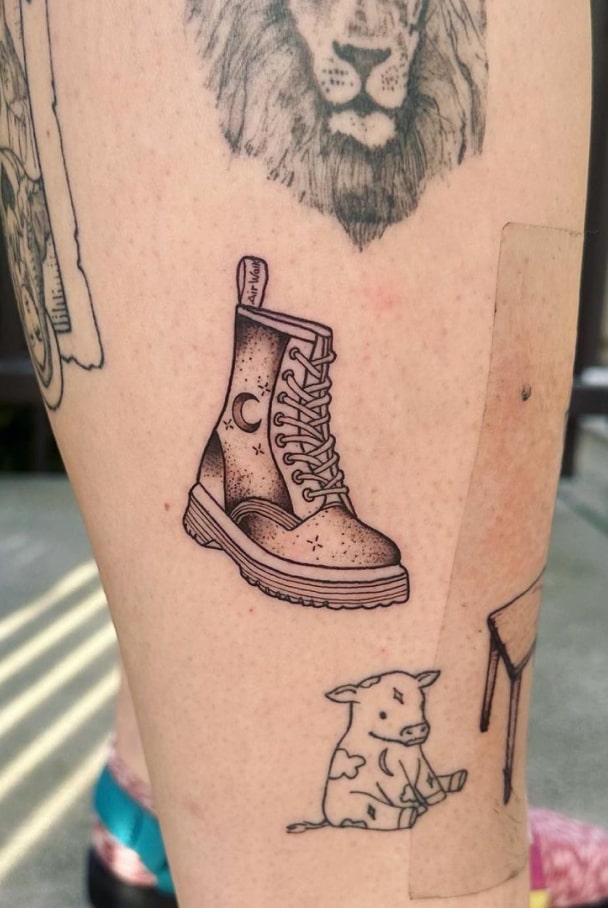
How much you feel comes down to placement more than anything. Fleshy, cushioned areas like the outer arm, the thigh, or the calf are gentle and forgiving, which is exactly why they make such good first tattoo spots. Bonier, thinner areas such as the ribs, feet, or collarbone read sharper. If this is your first piece and you want an easy ride, choosing a soft placement does most of the work for you.
What a first tattoo actually feels like
The sensation changes depending on what the artist is doing. Outlining usually feels like the sharpest part, a fine, hot scratch as the needle lays down crisp lines. Shading and colour packing feel different again, more like a warm, buzzy scraping that many people find easier to sit through than the linework.
Your body also helps you out. Within the first ten minutes or so, your system releases a wave of natural chemicals that take the edge off, and a lot of people say the start is the worst of it. Once you settle in, it often becomes background noise you can chat or scroll through, right up until the artist crosses a tender patch and it briefly sharpens again.
What happens during your first tattoo, step by step
1. The consultation and stencil
Your artist talks through the design, size, and exact placement, then prints or draws a stencil and presses it onto your skin. You get to check it in the mirror before anything permanent happens. Take your time here. Moving the stencil a few millimetres or adjusting the size is completely normal, and a good artist wants you happy before they start.
2. Setting up
The artist cleans and preps the area, sets out fresh, sealed equipment, and gets the workspace ready. This is the point to mention if you are nervous. Telling them it is your first tattoo is helpful, not embarrassing, because they will pace things and check in with you more often.
3. The first lines
The needle starts and you finally feel what everyone has been asking about. This is usually the moment the nerves melt away, because the reality is so much tamer than the imagination. A few deep breaths through the opening minutes and you are over the hump.
4. The main session
From here it becomes a rhythm of linework, shading, and short breaks. You can talk, listen to music, or watch something on your phone. Small tattoos might be done in under an hour, while larger first pieces stretch longer with breaks built in whenever you need them.
5. The finish
The artist cleans the fresh tattoo, shows it to you in the mirror, then covers it with a protective wrap and runs through your aftercare. That wrap stays on for the time they tell you, and your healing starts the moment you leave.
How to prepare for your first tattoo
A little preparation makes a real difference, and none of it is complicated. These habits set you up for a calmer, steadier first session:
- Eat a proper meal first. A good meal an hour or two beforehand keeps your blood sugar stable and heads off the shaky, lightheaded feeling that makes everything harder. Never turn up on an empty stomach.
- Turn up well rested. Sleep quietly lifts your pain tolerance. A tired body flinches at everything, so a solid night beforehand genuinely makes the chair easier.
- Skip the drinks the night before. Alcohol thins your blood and raises sensitivity, which means more bleeding and a sharper feel. Save the celebration for after.
- Wear comfortable clothing. Choose something loose that gives the artist easy access to the area and will not rub on the fresh tattoo afterwards.
- Use a good numbing cream. For a first timer, numbing cream is one of the simplest ways to take the fear out of the experience. Applied before your appointment, it softens the sharpest moments so you can relax and enjoy getting your first piece rather than bracing through it. Our numbing range is a favourite with people sitting for their first tattoo.
- Breathe slow and even. Holding your breath or tensing up makes the skin tighter and the feeling sharper. Slow breaths out through the mouth keep you loose and the sensation steadier.
How long does a first tattoo take to heal?
The surface usually settles over about two weeks, with the deeper layers carrying on quietly underneath for a month or so. The first few days are when a fresh tattoo needs the most care, so this is the stretch to be gentle with it.
Keep it clean, wash it softly with lukewarm water, and apply a thin layer of aftercare as your artist advises. Let any scabs or flaking fall away on their own rather than picking at them, since that is what keeps the lines crisp and the colour even. Once it is healed, protect it from the sun, which is the single biggest thing that fades a tattoo over time. A steady aftercare routine is what turns a fresh piece into one that still looks sharp years from now.
Where should you get your first tattoo?
If comfort is high on your list, lean toward a cushioned placement. The outer upper arm, the forearm, the thigh, and the calf are all gentle, heal reliably, and sit in that easy range on the pain scale. They also give the artist plenty of room to work, which keeps the session smooth. Bonier spots like the ribs, feet, hands, and collarbone look stunning but ask more of you, so many people save those for a second or third piece once they know what to expect.
Is getting a first tattoo worth it?
For most people, completely. The nerves beforehand are almost always bigger than the reality, and the pride of walking out with a piece you chose tends to outlast the hour or so of discomfort by a mile. Go in fed, rested, and prepped, pick a placement that suits a first timer, lean on good numbing to take the edge off, and trust your artist to guide you through it. Do that, and your first tattoo becomes the easy, exciting experience it should be, and probably not your last.
Frequently asked questions
How much does a first tattoo hurt?
Most people find a first tattoo far more manageable than they feared. It feels like a hot, scratchy sensation rather than sharp pain, and the body settles into it within the first ten minutes. How much you feel depends mostly on placement, with cushioned spots like the arm and thigh being the gentlest.
What should I do before my first tattoo?
Eat a proper meal, turn up well rested, skip alcohol the night before, and wear comfortable clothing. Applying a good numbing cream beforehand is one of the simplest ways to keep a first session calm, especially if you are nervous.
Can I use numbing cream for my first tattoo?
Yes, and it is a popular choice for first timers. Applied before your appointment, it softens the sharpest moments so you can relax and enjoy the experience instead of bracing through it.
Where is the best place to get a first tattoo?
Cushioned, forgiving areas like the outer arm, forearm, thigh, and calf are ideal first tattoo spots. They sit in the gentler range on the pain scale and heal reliably, making for an easier first experience.