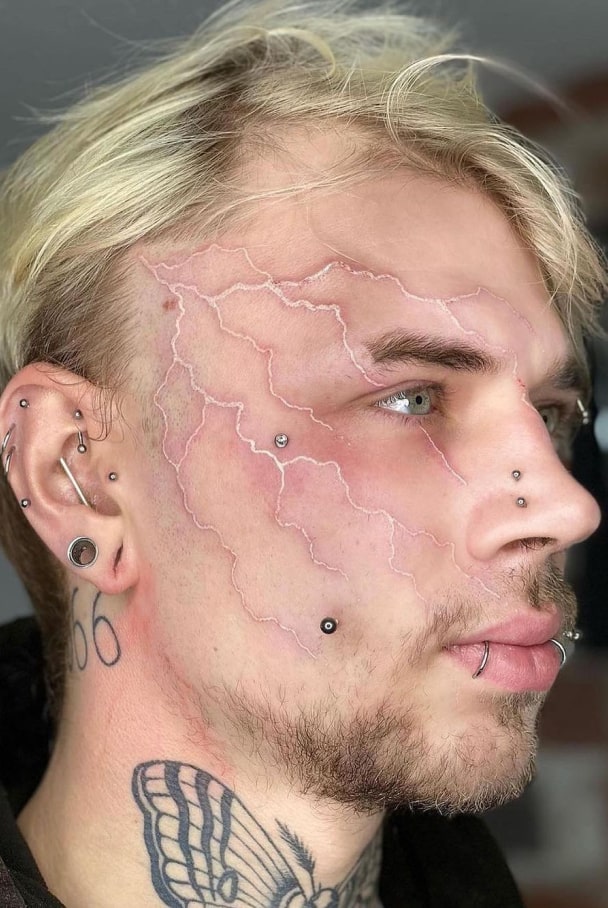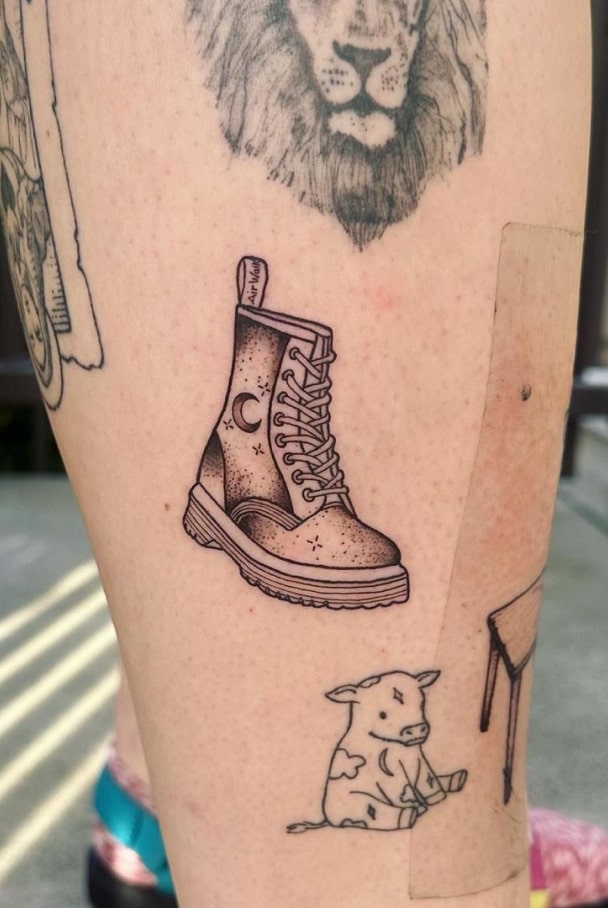


If you're deciding between a colour piece and a black and grey design, one question tends to sit at the back of your mind: which one is actually going to hurt more? It's a fair thing to wonder, and the answer surprises a lot of people.
Here's the honest breakdown of how colour and black and grey compare on pain, what really drives the sensation, and how to make either style far easier to sit through.
Do colour tattoos hurt more than black and grey?
Short answer: yes, colour usually hurts a little more, but not for the reason most people assume. It has almost nothing to do with the ink itself and everything to do with how the two styles are applied.
Black and grey work leans heavily on smooth shading and single passes. Colour work, especially when it needs to be bold and saturated, often means the artist goes over the same patch of skin again and again to pack the pigment in solidly. That repeated passing over an area that's already tender is what pushes colour slightly higher on the pain scale. It's the mileage, not the colour.
What actually drives tattoo pain
Before you pick a style based on pain alone, it helps to know what truly moves the needle. The colour of the ink is near the bottom of that list.
Placement matters most
Where you get tattooed outweighs the style by a wide margin. Thin skin over bone, like ribs, ankles or the inner wrist, will hurt more in either style than a fleshy spot like the outer thigh. A small black and grey piece on your ribs will out sting a colourful design on your forearm every time.
Time under the needle
The longer you sit, the more your skin protests. This is where colour can catch up with you. Big, saturated colour pieces simply take longer, and by hour three or four the same spot feels far sharper than it did at the start. A quick black and grey session ends before that fatigue really sets in.
Layering and saturation
Solid colour needs layers. Each layer means another pass over skin that's already raw. Black and grey often achieves its depth with lighter, more spaced out shading, so the same area gets worked less aggressively.
What each style feels like
The two styles carry a slightly different character of sensation, and knowing what to expect takes a lot of the fear out of it.
Black and grey
Linework feels sharp and precise, like a hot scratch following the needle. Shading softens into more of a warm, dragging graze. Because it's often quicker and gentler on any one spot, many people find black and grey the more comfortable ride overall.
Colour
Colour starts out feeling much the same, but the packing stage is where it changes. Going over the same area repeatedly turns that warm scratch into a hotter, more raw burn as the session goes on. It's rarely unbearable, but it is more persistent, and it's the part people remember.
Does colour take longer to heal?
It can. Because saturated colour usually means more trauma to the skin from all that layering, colour pieces sometimes take a touch longer to settle and can look busier while they heal. Black and grey, being lighter on the skin, often calms down a little faster.
That said, healing comes down far more to your aftercare than to the style. A well looked after colour tattoo heals beautifully, and a neglected black and grey one can still scab, fade and need touching up. A steady aftercare routine is what keeps either style looking crisp for years.
How to make either style hurt less
Whether you go bold and colourful or moody in black and grey, the same simple things make a real difference:
- Eat a proper meal beforehand. Turning up hungry is the quickest way to feel shaky and lightheaded, which makes every sensation feel bigger. This matters even more for longer colour sessions.
- Sleep the night before. A rested body handles discomfort far better than a tired one, and colour sits especially reward being well rested.
- Skip the drinks beforehand. Alcohol thins your blood and cranks up your sensitivity. It's the opposite of the calming trick people imagine.
- Use a numbing cream. This is where you can genuinely tip the scales. For long colour sittings, a quality numbing cream applied before your session keeps you comfortable through the packing stage, when pain usually builds. Our numbing range is made for exactly these longer, more intense sits.
- Take breaks on big pieces. On a full colour session there's no medal for pushing through. Short breaks reset your tolerance and make the back half far easier.
Which should you choose?
Pain is a poor reason to pick a style. The gap between the two is real but modest, and it vanishes the moment you plan the session properly. Choose the look you'll love for the next twenty years, not the one you think will save you ten minutes of discomfort.
If you love the softness and moodiness of grey shading, black and grey is a slightly gentler experience as a bonus. If you want your piece to leap off the skin, colour is worth every extra minute, and the right prep makes those minutes easy to handle.
The bottom line
Colour tattoos tend to hurt a little more than black and grey, but it's down to the time and layering involved, not the ink. Placement and session length shape your experience far more than style ever will. Prep well, look after your skin, and lean on a good numbing cream for the longer sits, and either choice becomes something you can sit through comfortably. Ready to plan yours? Explore our full numbing and aftercare range before you book.