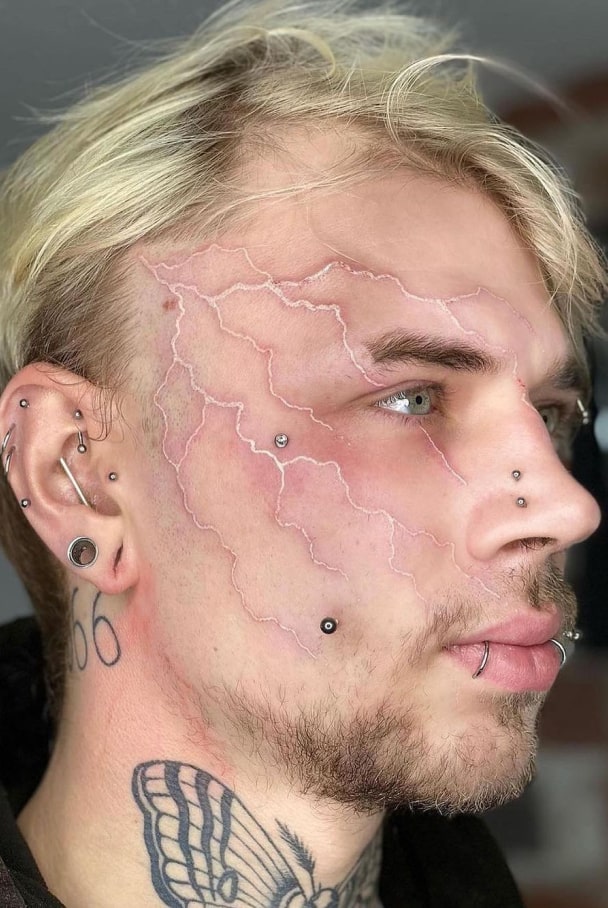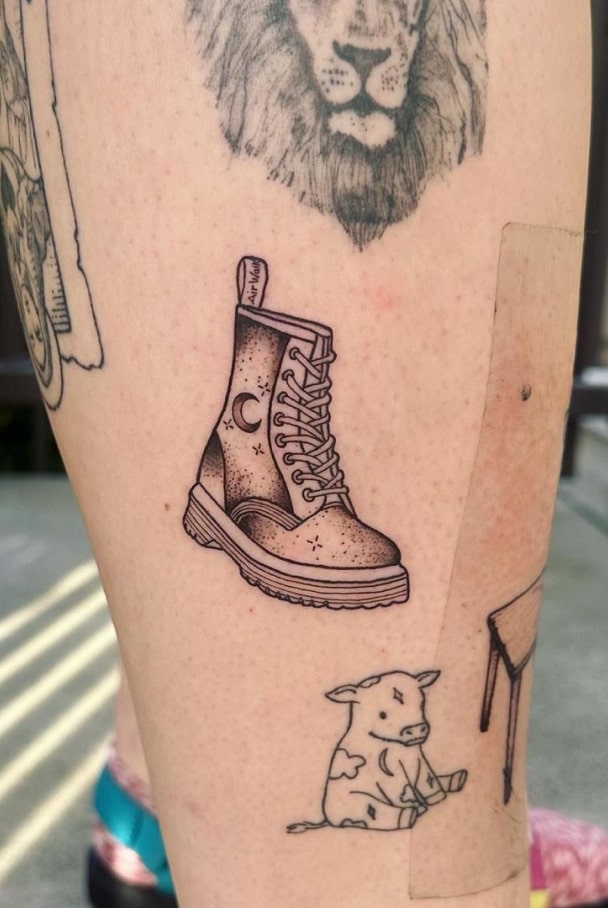


Neck tattoos have gone from taboo to trophy piece. Whether it is a delicate design behind the ear, a bold script down the side, or a full statement across the throat, this placement turns heads for a reason. It also raises one big question before anyone commits: how much does a neck tattoo actually hurt?
Here is an honest guide to what a neck tattoo feels like, how the pain changes depending on exactly where you sit it, and how to make the whole thing far more comfortable than the horror stories suggest.
Do neck tattoos hurt?
Short answer: yes, the neck sits toward the higher end of the pain scale, but it varies a lot by placement. Some spots on the neck are sharp and intense, while others are surprisingly manageable. The key is knowing which zone your design will land on.
The neck is sensitive for a few clear reasons. The skin is thin, it sits close to bone and cartilage in several spots, and it is rich in nerve endings. On top of that, the neck moves constantly with every breath, swallow and turn of the head, which keeps the area active while the artist works. Thin skin, hard structures underneath and near constant movement is the classic recipe for a spot that reads as sharp.
The good news is that going in prepared changes the whole experience. People who understand what to expect handle the neck far better than people who walk in blind.
What a neck tattoo actually feels like
Most people describe the sensation as sharp and buzzy, with a hot scratchy edge in the bonier zones. It is less of a deep ache and more of an electric graze that travels along the skin. Because the neck is so nervy, tiny movements of the needle can feel more pronounced than they would on a padded area like the outer arm.
There are a few sensations worth knowing about before you go in:
- The nape and back of the neck. This is one of the more forgiving zones. There is a little more give here, so many people find it sits in the moderate range rather than the brutal one.
- The side of the neck. Sharper and more sensitive, with plenty of nerve endings running through. Expect a hot, scratchy buzz here.
- The front and throat. The most intense zone by far. Thin skin over cartilage plus constant swallowing makes this the spot people brace for.
Linework tends to feel the sharpest, while shading spreads the sensation into more of a warm graze. Bold neck designs usually involve plenty of both.
The neck zones, ranked by intensity
1. The front and throat
This is the most intense part of the neck. The skin is thin and sits close to cartilage, and the area moves every time you swallow. People describe it as sharp and electric rather than a dull throb. It is completely doable, but it is the zone most likely to make you catch your breath, so it pays to be well prepared.
2. The side of the neck
Still sharp and sensitive, thanks to how many nerves run through this area. Many neck designs flow down the side, so expect a hot, buzzy scratch as the artist works. Manageable, but firmly toward the sharp end.
3. The nape and back of the neck
The most forgiving neck zone for most people. There is slightly more padding here and fewer of the ultra sensitive structures, so it often reads as moderate. A great starting point if this is your first neck piece.
4. Behind the ear
A popular spot for small, delicate pieces. It is bony and close to the skull, so it can feel rattly and sharp, but the designs here are usually small and quick, which keeps the whole thing brief.
How long does a neck tattoo take?
This depends heavily on the design. A small piece behind the ear or a short line of script can be done in well under an hour. A larger, detailed neck piece that wraps around the side or covers the throat can run for a couple of hours or more.
Because the neck is sharp, the length of your session really matters. A sensitive spot is one thing for twenty minutes and a different challenge for two hours, so planning around the size of your design is smart. The people who prepare for a longer sit come out the other side far happier.
How to make a neck tattoo hurt less
A few things genuinely help on a spot as nervy as the neck:
- Eat a proper meal beforehand. Turning up hungry is the fastest way to feel shaky and lightheaded, which makes every sensation feel worse. A solid meal an hour or two before your appointment steadies your whole system.
- Sleep the night before. Tired skin and a tired mind both lower your tolerance. Arriving well rested makes a real difference on a sharp spot like this.
- Skip the drinks beforehand. Alcohol thins your blood and cranks up sensitivity. It also makes the session messier rather than calmer.
- Use a numbing cream. On a spot as thin and nervy as the neck, a quality numbing cream applied before your session takes the edge right off. For a sharp side or throat piece it can be the difference between finishing strong and tapping out early. Our numbing range is built exactly for sharp, sensitive spots like this.
- Breathe, do not brace. Because the neck already moves with every breath and swallow, slow steady breathing out through the mouth helps a lot. Tensing up makes the skin harder to work and the pain sharper.
- Hold still and trust the process. The neck is a spot where flinching genuinely affects the linework, so staying relaxed helps both the pain and the finished result.
How long does a neck tattoo take to heal?
Most neck pieces settle over about two weeks on the surface, with the deeper layers carrying on for a month or so underneath. The neck can be a slightly awkward spot to heal because it moves constantly and rubs against collars, scarves and hair.
Keep it clean, keep it moisturised, and choose loose collars while it settles so nothing sits tight against the fresh ink. Tie long hair back so it is not dragging across the area, and be gentle when you dry off after showering. A good aftercare routine is the difference between a crisp, bold neck piece and a patchy one.
Is a neck tattoo worth the pain?
For most people, absolutely. It is one of the most striking and confident placements on the body, and it frames beautifully whether it is small and delicate or bold and graphic. Yes, some zones sit high on the pain scale, but a standout neck piece is a strong payoff. Go in fed, rested and properly prepped, and the sharp moments become a footnote rather than the main event.
Frequently asked questions
How painful is a neck tattoo?
A neck tattoo sits toward the higher end of the pain scale, but it varies a lot by placement. The front and throat are the sharpest because the skin is thin over cartilage and moves with every swallow, while the nape and back of the neck are far more forgiving.
Which part of the neck hurts the least?
The nape and back of the neck are usually the most manageable, with slightly more padding and fewer ultra sensitive structures. The side of the neck is sharper, and the front or throat is the most intense zone.
Can I use numbing cream on my neck before a tattoo?
Yes. The neck is one of the spots where numbing cream helps most, thanks to how thin and nervy the skin is. Apply it before your session for a noticeably calmer experience.
Do neck tattoos fade faster?
They can, because the neck moves constantly and sees friction from collars, hair and sun exposure. Solid aftercare and sun protection keep a neck tattoo looking sharp for far longer.