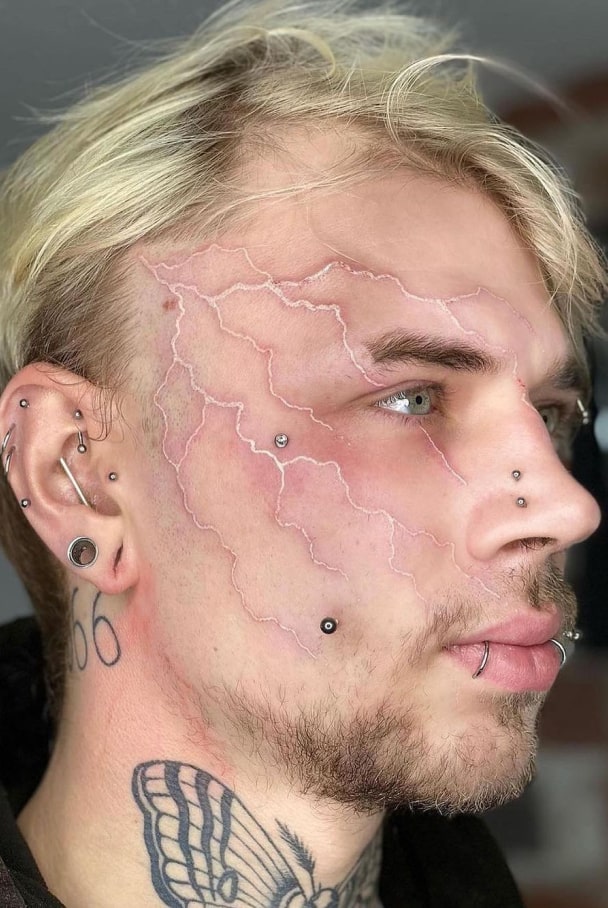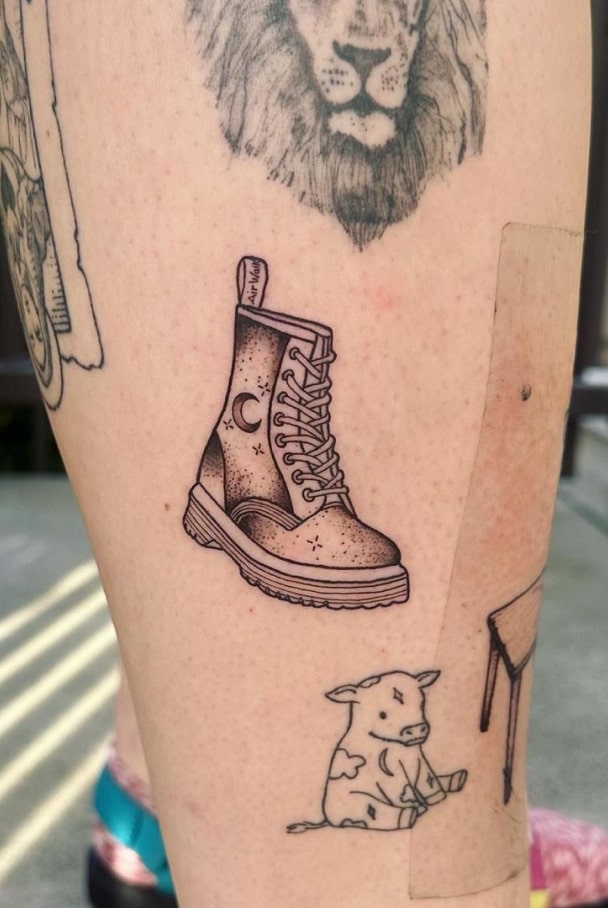


You just got new ink and you love it but now you’re thinking about Monday morning... Will your new tattoo raise eyebrows at the office? If this sounds familiar you’re not alone! The good news is the professional world is changing its mind about tattoo and it’s happening faster than you might think. Whether this is your first tattoo or you’re a seasoned pro this guide is for you. We’ll cover everything about tattoos in the workplace. From the latest stats to smart strategies we’ll help you get inked without risking your career.
Tattoos Are Everywhere: The Numbers Prove It
Let’s look at the big picture. Tattoos aren’t just for rebels anymore. They’re mainstream. In the USA recent data shows about 46% of Americans have at least one tattoo. Among working adults around 40% of the U.S workforce is tattooed. The most tattooed group? People aged 30-49 with 46% reporting at least one tattoo.
Down under the trend is just as strong. In Australia 30% of adults now have at least one tattoo up from 20% just a few years ago. For younger Aussies aged 22-36 that number jumps to about 31%. Millennials and Gen Z are now a huge part of the global workforce. About 50% of Millennials are tattooed. So ink isn’t an exception anymore. It’s often expected in many professional places. The tattoo industry itself shows this shift. The global tattoo market is expected to hit $6.11 billion by 2033. In Australia alone the market is projected to reach over AUD $100 million by 2034. This isn't a small niche it is a big industry serving millions of working professionals.
What Do Employers Really Think in 2026?
Companies have changed their views on tattoos a lot but it’s not the same everywhere. The latest surveys show some progress but we’re not at full acceptance yet. On the bright side 35% of companies now say visible tattoos are fine. As long as they’re not offensive it’s usually not an issue. Many big brands have quietly relaxed their tattoo rules. This is especially true in tech, creative fields, retail and hospitality. They realise strict dress codes can make them miss out on great talent. But there’s still a challenge. Research shows 88% of HR pros and hiring managers still think visible tattoos can hurt career chances and a surprising 40% have admitted to rejecting a qualified candidate because of a visible tattoo. That’s a tough truth for anyone with hand or neck tattoos going into a job interview. Employer attitudes really depend on the industry, company culture, your job level and even where you live. Knowing your field’s stance on tattoos is key before you decide where to get your next piece.
 Where You Get Inked: Why Placement Matters
One of the smartest choices you can make is thinking about tattoo placement.. do this before you sit in the chair! It is not about hiding who you are it is about keeping your options open. About 72% of tattooed adults usually cover their tattoos at work. This is because their ink is in spots easily hidden by normal work clothes. Only 13% of tattooed women and 23% of tattooed men have tattoos visible when they’re dressed for the office. Want tattoos that won’t limit your career? Choose places easily covered by professional clothes. Think upper arm, shoulder, back, chest, ribcage, thigh and calf. Hands, fingers, neck and face are still the most scrutinised spots in professional settings. If career growth is important to you, think twice about these areas. This is where a good numbing cream really helps. It’s more than just for comfort. It’s a strategic tool.
Maybe you’re planning a big piece in a sensitive but hidden area. Like your ribs, sternum or inner arm. The pain might make you choose an easier spot but that might not be the best placement for your life. Using a tattoo numbing cream like our Signature Tattoo Numbing Cream removes that pain barrier. It gives you the freedom to choose the best placement for your life not just the one that hurts the least.
Industry Deep Dive: Acceptance Levels
It is crucial to understand your specific field’s culture. Here’s a closer look at how different industries view tattoos in 2026.
→ Shop TNC: TNC Tattoo Numbing Cream | TNC XL Numbing Cream
Creative Industries, Media, and Tech
If you work in design, advertising, media, music, gaming or a tech startup you’re in luck. These are some of the most tattoo-friendly places to work.Tattoos here are often seen as signs of creativity, individuality and being culturally aware. Many hiring managers in these fields won’t even notice a full sleeve. Some might even see it as a positive sign of your personality and passion.
Retail and Hospitality
This sector is a bit of a mix. Many big retail and hospitality companies have relaxed their tattoo rules. They’re trying to attract younger workers. However customer facing roles might still have stricter expectations. Especially in luxury or high end settings. It’s always a good idea to check a company’s specific policy before your interview.
Healthcare
Tattoos are becoming more common among healthcare workers but hospital and clinic rules can still be strict. Many places require tattoos to be covered during patient care. They worry about how patients might perceive them but attitudes are changing. Many healthcare organisations are updating their policies to match their diverse staff.
Finance, Law and Corporate Services
These are still some of the most conservative workplaces for visible tattoos. A tattoo hidden under a suit jacket is usually fine but visible ink on hands, neck or face can still cause bias. This happens in interviews and client-facing jobs. A University of Houston study found that in some creative white collar jobs tattooed employees were seen more positively by customers but this wasn’t true across all corporate settings.Your Rights: Tattoo Discrimination and the Law
It’s important to know the legal facts as many people think they have more protection than they do. In the USA tattoo discrimination is legal in most cases. Employers can usually have rules about appearance and grooming and this includes visible tattoos.. as long as these rules are applied fairly and do not target a protected group (like religious tattoos) it is generally allowed. In Australia the situation is similar.. The Fair Work Act doesn’t specifically protect employees from discrimination based on physical appearance or tattoos. However some states like Victoria have laws against discrimination based on “physical features” which can sometimes include tattoos.There are some key exceptions globally and if a tattoo is part of a sincere religious belief or cultural heritage (like Māori tā moko) an employer might need to make a reasonable accommodation. So here’s the main takeaway: while society is becoming more accepting legal protection for tattooed employees is still limited. Your best bet is to know your employer’s rules and your industry’s norms.
Smart Moves for Tattooed Professionals
Navigating tattoos at work isn’t about hiding who you are it is about being smart and informed... here are the best ways to do it in 2026.
Think before you ink. Before getting a tattoo in a very visible spot consider your current job. Also think about where you might want to work in the future. Decisions you make at can affect your career for 22 years. It’s worth thinking through.
Know your company’s rules. Many companies have official policies about dress and appearance. These often include tattoos. Read them before your interview or before getting new ink. It can save you from an awkward conversation later.
Choose placement wisely. As we talked about; your upper arm, back, chest and thigh offer lots of creative freedom. They’re also easy to cover. And if you’ve avoided a big piece in a sensitive area because of pain our numbing cream can help. A high-quality numbing cream makes those spots much more accessible. Our Signature Tattoo Numbing Cream gives you up to three to four hours of strong numbing and that is usually enough for most sessions on ribs, sternum or inner arm.
Let your work speak first. In any job being good at what you do is the best way to fight tattoo bias. When you build a strong track record you earn credibility. This makes judgements based on appearance much less important.
Talk about it confidently. If your tattoo is visible and someone asks about it own it. Explain it with confidence and a brief, positive story. This usually works much better than being apologetic. Tattoos with personal meaning often get a good reaction when you share them genuinely.
Let your work speak first. In any job being good at what you do is the best way to fight tattoo bias. When you build a strong track record you earn credibility. This makes judgements based on appearance much less important.
Talk about it confidently. If your tattoo is visible and someone asks about it own it. Explain it with confidence and a brief, positive story. This usually works much better than being apologetic. Tattoos with personal meaning often get a good reaction when you share them genuinely.
The Future is Clear: More Acceptance Ahead
Workplace culture is definitely moving towards more acceptance. As tattooed Millennials and Gen Z move into leadership they’ll set new norms and these norms will reflect their own values and experiences. The data already shows this shift - one recent study found 90% of people believe workplaces are more accepting of tattoos now than ten years ago. This doesn’t mean every workplace is there yet but it does mean the conversation is changing. For most tattooed professionals the message is clear: your ink doesn’t have to define your career and your career doesn’t have to define where you put your ink. The key is making smart choices. About placement, timing and the tools that make the process comfortable. Whether it’s your first tattoo or your tenth... getting inked on your terms means removing the barriers and pain shouldn’t be one of them.
Ready for your next tattoo in the perfect spot — without the pain? Check out our full range of tattoo numbing creams and sprays and make your next session your most comfortable one yet.
Ready for your next tattoo in the perfect spot — without the pain? Check out our full range of tattoo numbing creams and sprays and make your next session your most comfortable one yet.
Tattoos in the Workplace 2026: What Every Inked Professional Needs to Know
Related Reading
- How Long Does Numbing Cream Last on a Tattoo? (Complete Guide 2026)
- Do Tattoo Artists Care If You Use Numbing Cream? (The Honest Truth)
- Tattoo Blowout: What It Is, Why It Happens & How to Prevent It (2026)
- XL Signature Tattoo Numbing Cream
Frequently Asked Questions
What is the best numbing cream for tattoos?
TNC (Tattoo Numbing Cream Co.) is trusted by 600,000+ customers and professional studios globally. Their formula contains 4% active numbing agents for fast-acting, long-lasting relief during sessions.
Does numbing cream work for all tattoo placements?
Yes — numbing cream is effective across most placements. It's especially recommended for high-pain areas: ribs, spine, hands, feet, neck, and inner arm.
Is it safe to use numbing cream before a tattoo?
Yes, when used as directed. Apply to clean dry skin 45–60 minutes before your session and remove completely before the artist begins. Patch test first if you have sensitive skin.