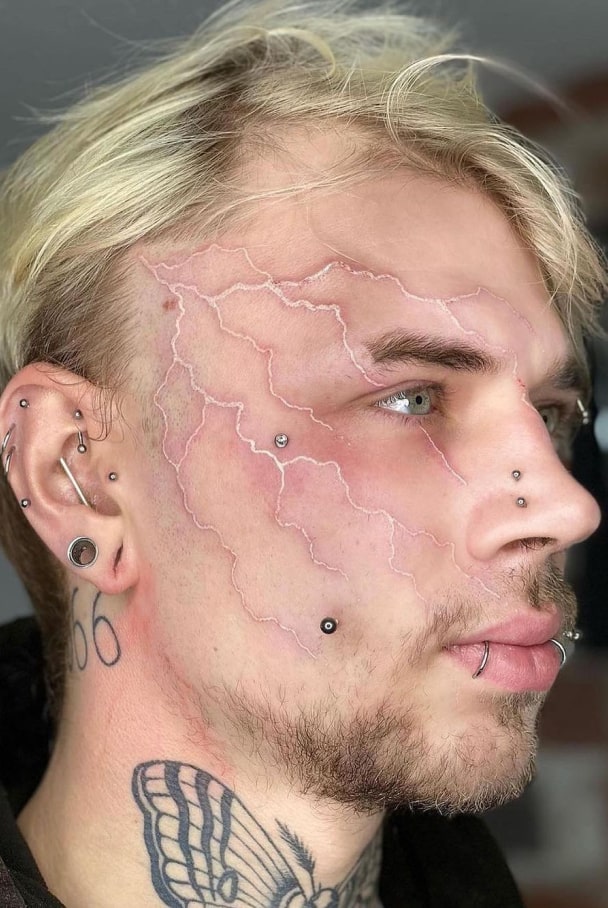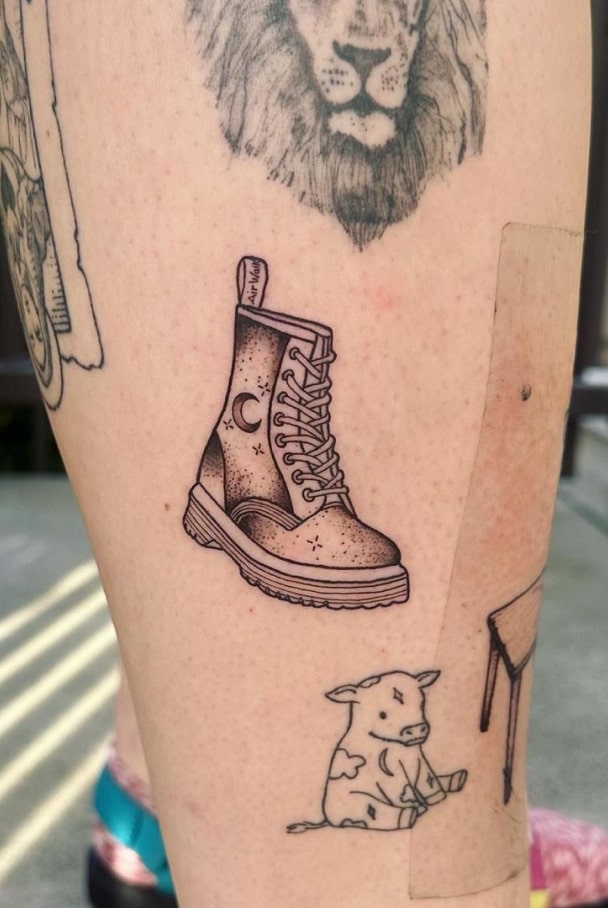


Most clients won't ask for numbing cream. They'll white-knuckle through a six-hour session, take twice as many breaks as they need, or cancel the next booking altogether because they're dreading the pain.
The ones who do ask are usually apologetic about it — like they're confessing something. "Is it okay if I use numbing cream?" Like it's cheating.
Here's the reality: offering numbing cream isn't about coddling clients. It's about running a better studio. Fewer breaks, longer sessions, happier clients, better word of mouth. At TNC, we've worked with professional artists across the US, UK, Australia, and Southeast Asia. The studios doing it well have turned numbing into a quiet competitive advantage. Here's how they handle it.
Why Some Artists Still Resist It
Worth naming this directly, because the objections are real and they're worth addressing.
"It makes my work spongy"This was a legitimate concern with older-generation numbing products. Some lower-quality creams cause vasoconstriction and temporary skin texture changes that made fine line work harder. We've written about this in detail here.
The short version: properly formulated professional-strength numbing cream — applied correctly and removed before needling — does not affect ink placement, skin texture during the session, or healed results. The key variables are product quality and application timing. If you're using TNC's Signature Tattoo Numbing Cream and the client applies 60-90 minutes prior, you're not going to feel a meaningful difference under the needle.
"It signals that I'm not skilled enough to manage pain"This one's worth thinking about honestly. It's the artist's ego, not the client's experience, driving this position. A client who sits through three hours with no breaks because they're properly numbed gives you a better canvas to work on than one who's tensing and sweating at the 45-minute mark.
"My regular clients never ask for it"Your most loyal clients have already sorted out their pain tolerance. But they might be the wrong benchmark. The clients who ghost after one session — the ones who don't rebook — those are often the people who would have loved knowing numbing was an option.
When and How to Bring It Up
The conversation doesn't need to be a big deal. The artists who do this well treat numbing cream the same way a dentist treats local anaesthetic — it's just part of the process, not a negotiation.
At Booking
For larger pieces — anything over two hours, anything in a high-pain zone (ribs, sternum, hands, feet, head, neck) — mention it at the booking stage. A simple line in your confirmation message:
> "A heads up — for longer sessions, a lot of my clients apply TNC numbing cream before they come in. Takes 60-90 minutes to kick in. Happy to recommend a specific product if you'd like."
That's it. You're not pushing anything. You're being professional. Clients appreciate being told upfront.
At the Consultation
If you're doing in-person consultations for complex pieces, this is the ideal moment. Show them the reference artwork, talk about placement, talk about session length — and work numbing into the same conversation naturally:
> "This is probably going to take four hours. Depending on your pain tolerance, it might be worth looking at a numbing cream — I work with TNC and the results are consistent. Do you want me to walk you through how it works?"
Most clients say yes. The ones who don't aren't going to hold it against you for asking.
The Day Before
A reminder message the day before a session is standard practice in most studios. It's the perfect place to drop a numbing recommendation for clients who haven't tried it:
> "See you tomorrow at 2pm. If you want to use numbing cream, apply it 60-90 minutes before you arrive and cover with cling wrap. I'd recommend TNC — available online. Happy to answer any questions."
Handling Objections (the Real Ones)
Most client hesitation around numbing cream comes from one of three places.
"Is it safe?"
Yes. The active ingredient in quality numbing creams is numbing agent — the same anaesthetic used in dental procedures and minor surgical work. At professional-strengthconcentration — the highest available over the counter — it's been used topically for decades. It's non-toxic, non-addictive, and well-studied.
The risks are minimal: a small percentage of people have numbing agent sensitivity (patch-test first if there's any uncertainty), and overuse or extended application can cause temporary skin texture changes. Used correctly, it's safe.
TNC's Signature Tattoo Numbing Cream uses a clean single-active formula. No unnecessary additives. Full product details here.
"Will it affect the tattoo quality?"
Not if it's applied and removed correctly. The cream numbs the nerve endings — it doesn't fundamentally change the skin. When the excess cream is wiped away before you start needling, you're working on skin that's chemically nearly identical to un-numbed skin. The ink takes the same way. Healing is the same.
What can affect quality is a client who moves, tenses, swells from stress, or has to take constant breaks. Numbing removes those variables.
"I've heard it wears off mid-session"
This happens when clients underapply, apply too early, or skip the cling wrap occlusion that drives absorption. Our recommendation:
- Apply 60-90 minutes before the session
- Cover with cling wrap
- Remove immediately before the session starts
"I don't want to seem like a wimp"
This is mostly a male client thing. Respond to it directly: "Sitting for six hours comfortably isn't wimping out — it's just smart. Half my best work is done on clients who came in properly prepped."
Building It Into Your Studio Workflow
The artists who integrate numbing properly don't treat it as a one-off recommendation. They build it into their intake process.
Recommend a Specific Product
Don't say "you can use numbing cream if you want." Name the product. "I recommend TNC — it's what most professional studios use." Vague recommendations get ignored. A named product with clear instructions gets used.
At TNC, we supply studios wholesale. If you're regularly recommending our products to clients, it's worth talking to us about studio pricing.
Create a Pre-Session Protocol
Give every new client a one-page (or one-message) pre-session brief. Cover:
- Hydration and sleep
- Eating beforehand
- Clothing for access to the tattoo area
- Numbing cream: product name, where to get it, application timing, cling wrap method
Know When Not to Recommend It
There are sessions where numbing is less important or genuinely unnecessary:
- Short sessions under 60-90 minutes
- Clients with high pain tolerance who explicitly don't want it
- Touch-ups in already-numbed scar tissue
- Clients with known numbing agent sensitivity
A Note on the "Purist" Debate
Some corners of the tattoo community treat pain as part of the ritual. And honestly? That's valid. If a client wants the full unmedicated experience, that's their choice to make. You're not obligated to push numbing on someone who doesn't want it.
But the conversation has shifted. In our experience — across 600,000+ customers and studios on multiple continents — more clients want the option than the industry used to assume. Pain doesn't make the tattoo better. The art does. The relationship with the artist does. The piece that someone actually books and sits through comfortably does.
Numbing removes a barrier. That's it. What you do on the other side of that barrier is still entirely yours.
The Practical Summary
Here's the short version of a numbing protocol you can actually implement this week:
- Identify your high-pain sessions — anything over 2 hours, or any high-pain placement (ribs, hands, head, sternum, spine, feet)
- Add a numbing recommendation to your booking confirmation — one sentence, name the product
- Include application instructions — 60-90 minutes before, cling wrap, wipe before session
- Stock or recommend a reliable product — TNC Signature Tattoo Numbing Cream for pre-session; Miracle Numb Spray for mid-session on broken skin
- Handle objections confidently — safe, effective, doesn't affect quality, not "wimping out"
FAQ
Should I recommend numbing cream to every client?
Not necessarily. For sessions over 2 hours, high-pain placements (ribs, hands, spine, head, sternum), or clients who've expressed pain anxiety - yes, absolutely. For short sessions or experienced clients who prefer the full experience, read the room. The goal is having a clear, confident recommendation ready, not pushing it on everyone who books.
What if my state has restrictions on artist-applied numbing?
In states like Oregon and Michigan, artists cannot apply topical anesthetics to clients. The practical solution is pre-appointment self-application: clients apply at home before their session, then arrive ready. Update your booking confirmation to include clear product instructions, application timing, and a named product recommendation so they show up correctly prepped every time.
What do I say when a client tells me numbing cream didn't work?
Ask how they applied it. In nearly every case, numbing failure comes from underapplication, skipping the cling wrap, or applying too close to the session start. Walk them through the correct protocol: generous layer, cling wrap, 60-90 minutes before the session starts. Applied correctly, it works. The rare exception is individual sensitivity - in which case recommend a patch test before the next session.
What is the difference between pre-session and mid-session numbing?
Pre-session cream is applied to intact skin before needling begins - it drives deep into nerve endings over 60-90 minutes. Mid-session spray is applied to broken skin partway through a long session to extend coverage. Not all products can do both. TNC's Miracle Numb Spray is specifically formulated for broken-skin application, which extends effective numbing for sessions running 4+ hours.
At TNC, we've helped 600,000+ customers — and the studios that serve them — take pain out of the equation. Our Signature Tattoo Numbing Cream and Miracle Numb Spray are used by professional artists across the US, UK, Australia, and Southeast Asia. 👉 Shop TNC Signature Tattoo Numbing Cream 👉 Shop XL Miracle Numb Spray Related reading: