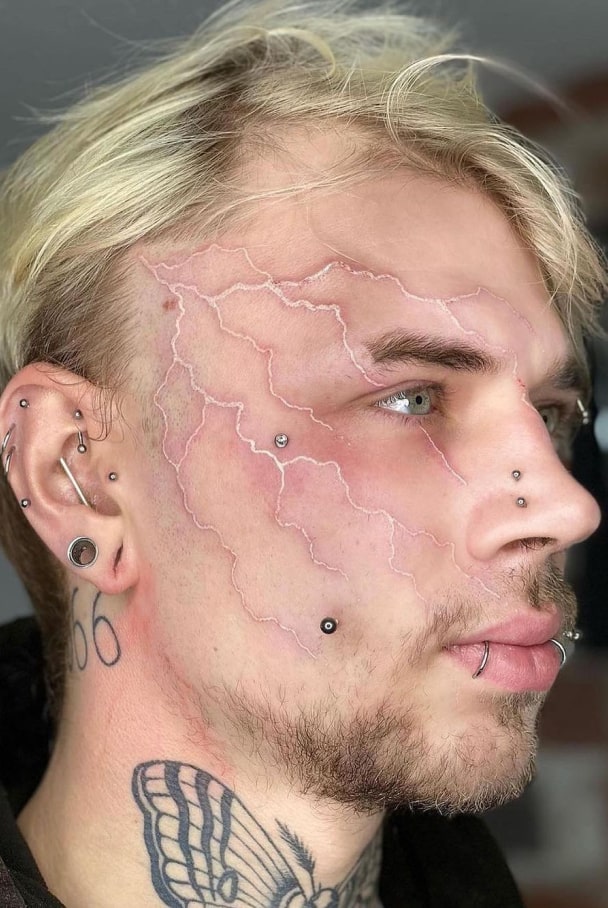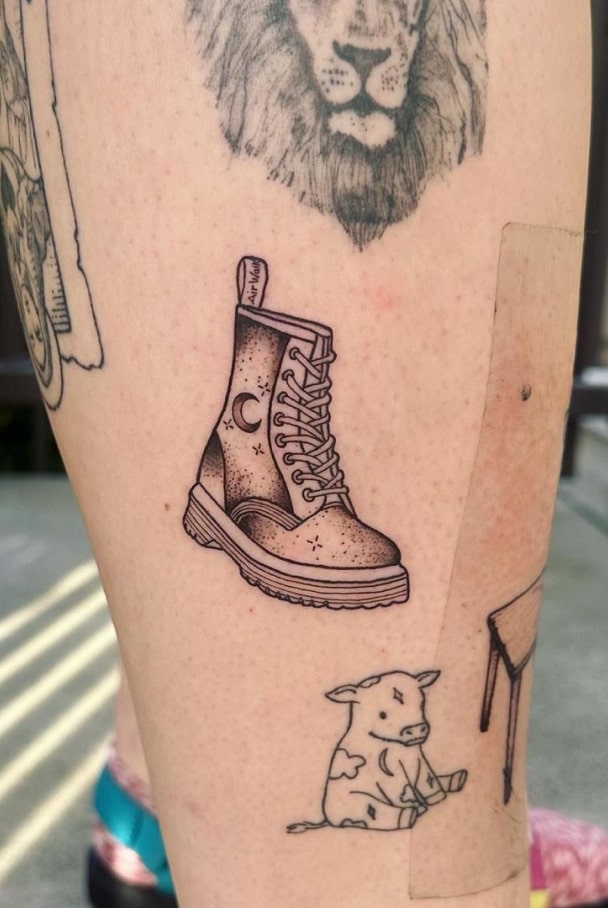


Tattoo Pain Scale by Body Part: From Least Painful to Brutal
What This Tattoo Pain Scale Actually Means
Tattoo pain gets talked about like it’s some mysterious, uncontrollable beast. It’s not. Most of the fear comes from not knowing what to expect and from people exaggerating how bad it really is. The reality is simple. Some tattoo spots are barely uncomfortable. Others genuinely suck. Pretending they’re all the same is how people panic, tap out early, or avoid getting tattooed altogether.
→ Shop TNC: TNC Tattoo Numbing Cream | TNC XL Numbing Cream
This tattoo pain scale breaks it down properly. Body part by body part. No myths. No tough-guy ego. No scare tactics. Just a realistic look at what hurts, what doesn’t, and why.
Let’s clear this up straight away. Tattoo pain is real, but it’s wildly misunderstood and heavily dependent on where you’re getting inked.
If you’re Googling this, chances are you’re:
-
Planning your first tattoo
-
Booking a larger or longer session
-
Or wondering if a certain spot is going to absolutely ruin you
Good news. You don’t need to guess.
Below is an honest tattoo pain scale by body part, ranked from least painful to “why did I do this.”
Tattoo Pain Scale Explained (Before We Rank Anything)
Pain isn’t just about toughness. It comes down to:
-
Skin thickness
-
Nerve density
-
Bone proximity
-
Session length
-
Artist technique
Areas with more fat and muscle hurt less. Areas with thin skin, lots of nerves, or bone underneath hurt more. Simple.
Now let’s rank them.
Least Painful Tattoo Spots (Pain Level 1–3)
Outer Upper Arm
Pain level: 1–2
This is beginner territory. Thick skin, muscle underneath, minimal nerve clusters. Most people describe it as annoying rather than painful.
Forearm
Pain level: 2–3
Easily one of the most popular spots for a reason. Slight sensitivity near the wrist, but overall very manageable.
Calf
Pain level: 2–3
More muscle, fewer nerves. Feels scratchy rather than sharp.
Moderate Pain Tattoo Spots (Pain Level 4–6)
Shoulder
Pain level: 4
Easy on the outer shoulder, spicier near the collarbone.
Thigh
Pain level: 4–5
Plenty of padding, but long sessions can wear you down.
Chest (Upper)
Pain level: 5–6
Depends heavily on proximity to the sternum and collarbone. Breathing can make it feel more intense.
High Pain Tattoo Spots (Pain Level 7–8)
Ribcage
Pain level: 7–8
Infamous for a reason. Thin skin, constant movement, and vibration straight through your torso.
Spine
Pain level: 8
Bone, nerves, and zero distractions. You’ll feel every line.
Neck
Pain level: 7–8
Short sessions help, but it’s sharp, intense, and mentally taxing.
Brutal Tattoo Spots (Pain Level 9–10)
Feet and Ankles
Pain level: 9
Thin skin stretched over bone. Vibrations travel everywhere.
Hands and Fingers
Pain level: 9–10
Extreme nerve density and constant movement make these rough, even for experienced collectors.
Inner Bicep
Pain level: 8–9
Looks harmless. Absolutely isn’t. Soft skin plus nerves equals sting city.
Groin and Armpit
Pain level: 10
Let’s not sugarcoat it. These are advanced-level spots for a reason.
Why Pain Feels Worse Than Expected
Most people don’t struggle because of the needle. They struggle because of:
-
Anxiety
-
Anticipation
-
Long sessions without breaks
-
Dehydration or poor prep
Your brain does more damage than the machine.
Can Tattoo Pain Be Reduced?
Yes. And pretending otherwise is outdated nonsense.
Modern tattooing has evolved. Artists care about client comfort. Long sessions demand smarter pain management.
Used correctly quality numbing products can:
-
Take the edge off sharp pain
-
Reduce involuntary movement
-
Help you sit longer without fatigue
This isn’t about being “tough" it is about getting better work done with less stress on your body.
Final Word on Tattoo Pain
Pain varies. Everyone’s threshold is different. But no tattoo spot is unpredictable if you understand the basics.
If pain is the only thing stopping you from getting the tattoo you want, that’s not bravery, that’s unnecessary suffering.
Plan smart. Prep properly. And don’t let fear make the decision for you.
Related Reading
- How Long Does Numbing Cream Last on a Tattoo? (Complete Guide 2026)
- Do Tattoo Artists Care If You Use Numbing Cream? (The Honest Truth)
- Tattoo Pain Chart for Men: Where Does It Hurt Most? (2026 Guide)
- XL Signature Tattoo Numbing Cream
Frequently Asked Questions
How painful is a tattoo really?
Pain varies by placement, individual tolerance, and session length. Bony areas — ribs, spine, elbows, hands — hurt most. Fleshy areas like the outer arm or thigh are far more manageable.
What is the best way to reduce tattoo pain?
Eat beforehand, stay hydrated, avoid alcohol, and use a quality numbing cream. TNC's numbing cream significantly reduces discomfort for any placement, especially ribs, spine, and hands.
How long does post-tattoo soreness last?
Most people experience soreness similar to a sunburn for 2–5 days after a session. Proper aftercare — keeping the area clean and moisturised — shortens recovery time noticeably.