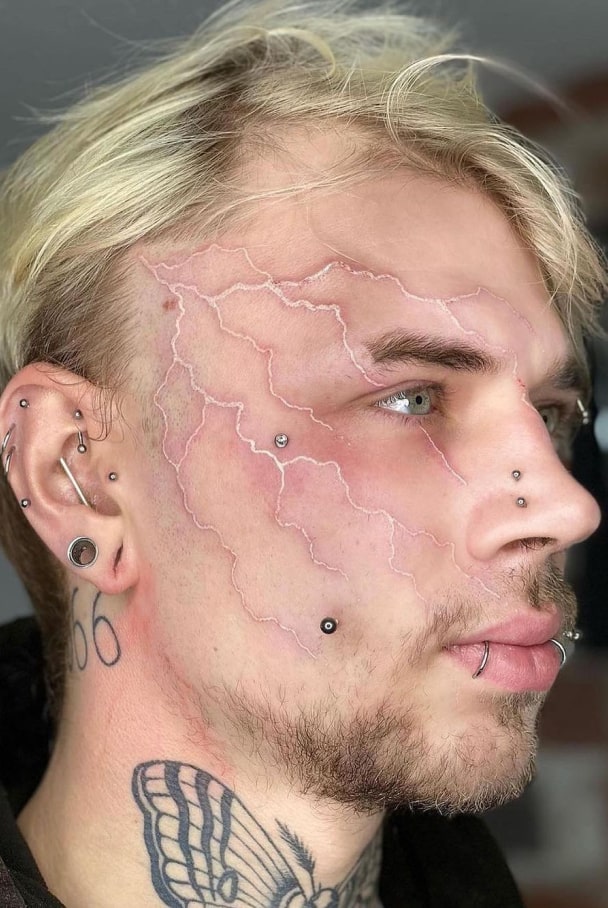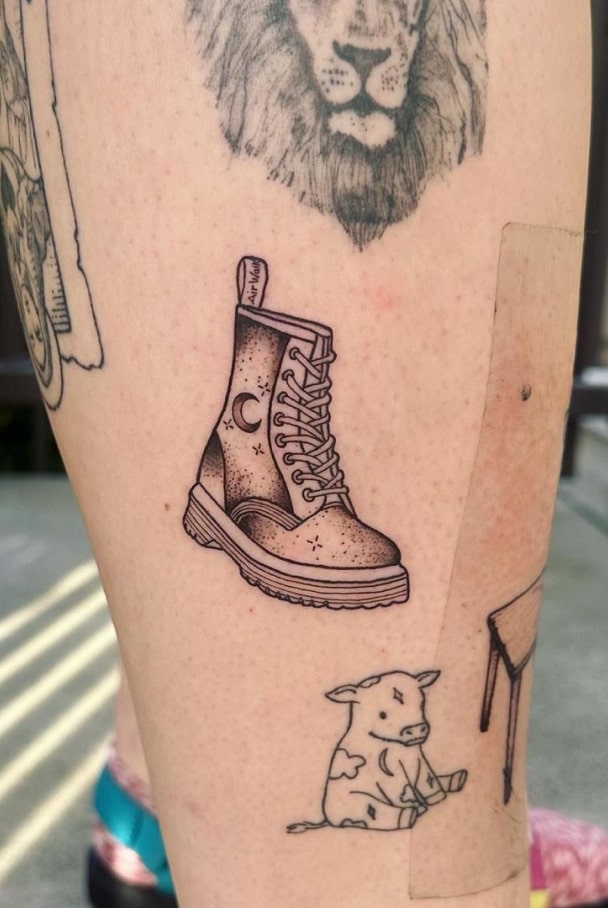


You saved up, sat through the pain, and walked out with a tattoo you loved. Then months or years later you notice a patch of fading, a line that softened, or a bit of colour that dropped out. That's where a touch up comes in. It's the quiet secret behind almost every tattoo that still looks crisp years down the line.
Here's the honest guide to tattoo touch ups: why they happen, when to book one, and whether they actually hurt.
What is a tattoo touch up?
A touch up is a short follow up session where your artist refreshes an existing tattoo. They go back over faded lines, refill patchy colour, and tidy up any spots that didn't heal quite as sharp as everyone hoped. Think of it as maintenance rather than a whole new piece.
Most tattoos need one at some point. Skin is living tissue, ink settles unevenly, and healing is never perfectly predictable. A touch up simply brings the design back to how it looked on day one.
Why do tattoos need touch ups?
A few things pull a tattoo away from its fresh, crisp state over time.
Natural healing quirks
Even with flawless aftercare, some areas heal lighter than others. A line might sit a touch soft, or a shaded section might lift slightly during peeling. This is normal, and it's exactly what a first touch up is designed to fix.
Placement and movement
Tattoos on hands, feet, fingers, elbows and other high movement areas fade faster. The skin there renews quickly and takes more friction, so these spots often need refreshing sooner than a piece on your back or thigh.
Sun and time
Sunlight is the biggest long term enemy of any tattoo. Years of exposure softens lines and dulls colour, especially lighter tones. A periodic touch up keeps an older piece looking alive rather than washed out.
Do tattoo touch ups hurt?
Here's the good news. Touch ups usually hurt less than the original tattoo, and it comes down to a few simple reasons.
First, they're short. Refreshing a few lines or a small patch of colour takes far less time than the full piece did, so you're under the needle for a fraction of the session.
Second, they cover less ground. Instead of tattooing a whole fresh design, the artist is dotting back into specific areas, which means far less total sensation.
That said, the feeling is the same sharp buzz you remember. If your tattoo sits on a tender spot like the ribs, feet or inner arm, the touch up will still nip, just for a much shorter stretch. Going in prepared still makes the whole thing easier.
When should you get a touch up?
Timing matters more than people think.
The first touch up
Many artists offer a free or low cost touch up in the first few months after your tattoo heals. Wait until the piece has fully settled, usually around the one month mark, before judging whether it needs work. Rushing back too early means tattooing skin that's still recovering.
Ongoing maintenance
After that, most tattoos benefit from a refresh every few years, depending on placement and how well you protect them. High movement and heavily sunned pieces come up in the queue sooner. A back piece you keep covered might go a decade looking sharp.
Signs it's time
Faded lines, patchy colour, blurred edges, or a design that's lost its punch are all cues to book in. If you find yourself explaining what a tattoo "used to" look like, it's touch up season.
How to make a touch up session easier
Even though touch ups are quick, a little prep keeps them smooth:
- Eat before you go. Short session or not, turning up fed keeps you steady and stops any lightheaded wobble.
- Sleep well the night before. A rested body handles the needle far better than a tired one. Your tolerance dips hard when you're running on empty.
- Skip the alcohol. Drinking beforehand thins your blood and cranks up sensitivity, which makes even a quick touch up messier than it needs to be.
- Use a numbing cream. Because touch ups often land on already sensitive, previously tattooed skin, a quality numbing cream applied beforehand takes the sting right out. Our numbing range is perfect for short, sharp sessions like these.
- Bring a reference. A photo of the tattoo when it was fresh helps your artist match tones and lines precisely.
Looking after a touch up
A touch up heals just like a fresh tattoo, only over a smaller area. Expect the worked sections to scab lightly, peel, and settle over a couple of weeks. Because it's a smaller zone, recovery usually feels quicker and easier than the original.
Keep it clean, keep it moisturised, and stay out of strong sun while it heals. A steady aftercare routine is what locks in the refresh and stops those same areas fading straight back. Protecting your ink from the sun long term is the single best thing you can do to stretch the gap between touch ups.
Are tattoo touch ups worth it?
Completely. A touch up is the cheapest, quickest way to keep a tattoo you love looking its best for years. Compared to the cost and time of the original piece, a short refresh session is a tiny investment that pays off every time you catch your reflection. Go in fed, rested and prepped, and let your artist bring it back to life.
Frequently asked questions
Do tattoo touch ups hurt less than the original?
Usually yes. Touch ups are short and cover a smaller area, so you spend far less time under the needle. The sensation is the same sharp buzz, just for a much shorter stretch.
When should I get my first touch up?
Wait until the tattoo has fully healed, usually around one month, before judging it. Many artists offer a free or low cost touch up in those early months to perfect any spots that healed light.
How often do tattoos need touch ups?
Most benefit from a refresh every few years, sooner for high movement or heavily sunned areas like hands, feet and fingers. Well protected pieces on the back or thigh can last far longer between visits.
Can I use numbing cream for a touch up?
Yes, and it's especially handy because touch ups often hit already sensitive, previously tattooed skin. Applying a quality numbing cream beforehand makes the short session far more comfortable.