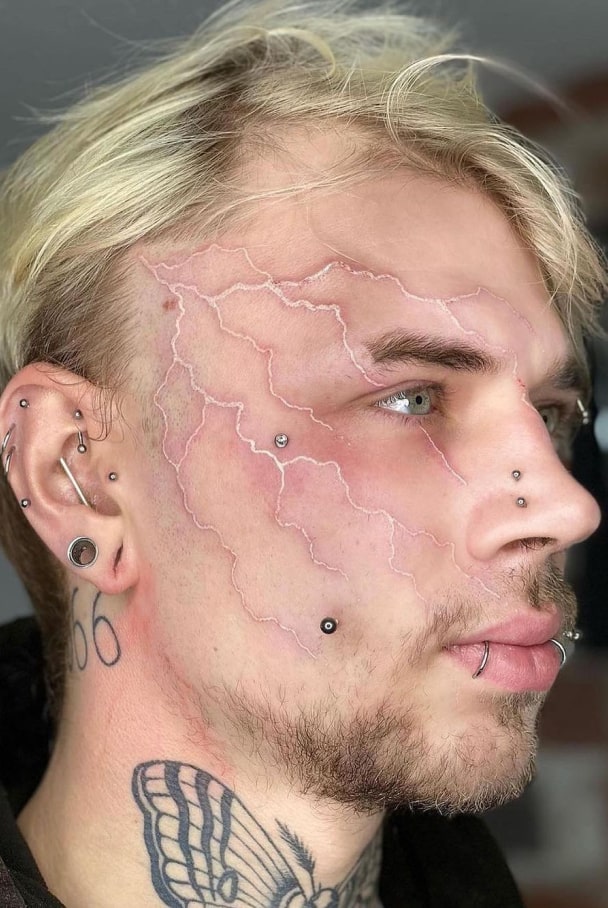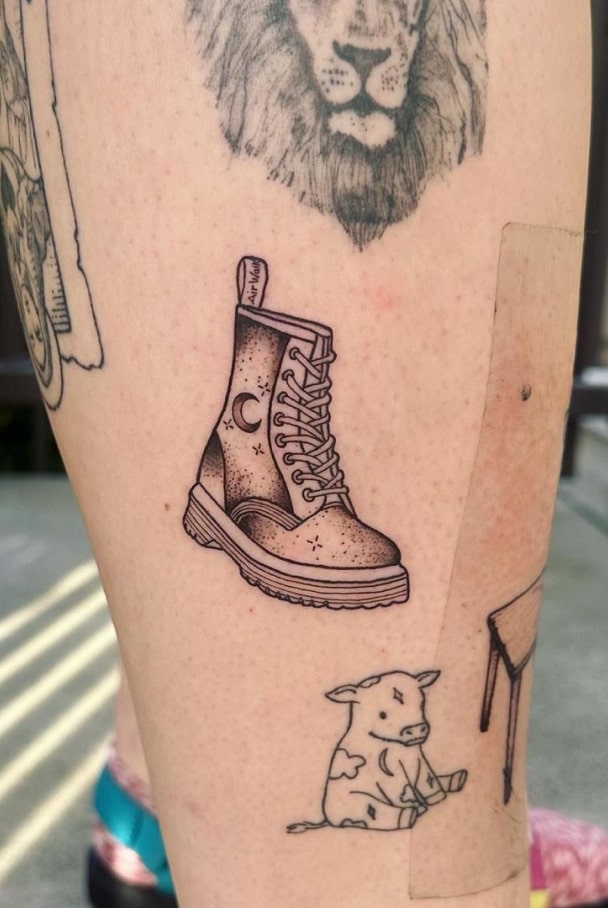


So you’ve decided on a stunning new tattoo. Maybe it’s a delicate piece for your ribs, a powerful design for your spine or a subtle symbol for your inner bicep. Fantastic!
→ Shop TNC: TNC Tattoo Numbing Cream | TNC XL Numbing Cream
But then the thought creeps in: “How much is this going to hurt?”
Let’s be honest some areas of the body are just more sensitive than others. Getting inked on these spots can be a daunting prospect. But don’t let the fear of pain stop you from getting the tattoo of your dreams.
In 2026 with the right preparation and tools even the most sensitive areas can be tattooed with minimal discomfort. This guide will walk you through everything you need to know to conquer those challenging spots, ensuring your journey is as smooth as your finished ink.
Understanding Tattoo Pain: Why Some Spots Hurt More
Tattoo pain is subjective, but generally, areas with thinner skin, more nerve endings, and less fat or muscle padding tend to be more painful. Think about it:
Bony Areas: Ribs, spine, ankles, elbows, and knees. The needle vibrates directly against bone, which can be intensely uncomfortable.
Thin Skin: Inner bicep, armpit, top of the foot, inner thigh, and neck. These areas have less natural cushioning.
High Nerve Concentration: Hands, feet, face, and groin. These spots are packed with nerve endings, making them highly sensitive.
It’s a universal truth whether you’re in a bustling studio in New York, a quiet parlour in Auckland or a vibrant shop in Singapore. Pain is part of the process but it doesn’t have to be the defining part.
Preparing for Your Sensitive Area Tattoo Session
Preparation is key to a more comfortable experience. Here’s your checklist:
1. Get Good Rest: A well-rested body handles pain better. Aim for 7-9 hours of sleep the night before.
2. Eat Well: Have a substantial meal before your appointment. Low blood sugar can make you feel faint and increase pain sensitivity.
3. Stay Hydrated: Drink plenty of water in the days leading up to your session. Hydrated skin is healthier skin and can take ink better.
4. Avoid Alcohol & Caffeine: These can thin your blood, increase bleeding, and make you more sensitive to pain. Skip them 24 hours prior.
5. Wear Comfortable Clothing: Choose loose-fitting clothes that allow easy access to the tattoo area and won’t rub against your fresh ink.
6. Communicate with Your Artist: Discuss your concerns about pain. A good artist will be understanding and can offer breaks or adjust their technique.
The Game Changer: Tattoo Numbing Cream
For sensitive areas, a high-quality Tattoo Numbing Cream isn’t just a luxury; it’s a necessity for many. It works by temporarily desensitising the skin, allowing you to relax and your artist to work without interruption.
Our premium numbing cream is specifically formulated to provide deep, long-lasting relief, often for 3-4 hours. This is crucial for complex designs on sensitive spots that require extended sessions. It allows you to:
• Reduce Pain Significantly: Turn what could be an excruciating experience into a manageable one.
• Stay Still: Minimise flinching or movement, which helps your artist achieve cleaner lines and better detail.
• Enjoy the Process: Focus on the art being created, rather than bracing for the next needle pass.
• Complete Longer Sessions: Get more work done in a single sitting, potentially reducing the number of appointments needed.
Whether you’re getting a full rib piece in London, a delicate sternum tattoo in Sydney, or a detailed foot tattoo in Berlin, applying numbing cream correctly beforehand can make all the difference.
What to Expect During the Session
Even with numbing cream, you might still feel some pressure or a dull sensation, but the sharp pain should be significantly reduced. Your artist will:
• Clean and Prep: The area will be cleaned and the stencil applied.
• Work Methodically: They will work in sections, ensuring the numbing effect is maximised.
• Take Breaks: Don’t hesitate to ask for a break if you need one. Hydrate, stretch and reset.
Remember, your comfort is important for both you and your artist to achieve the best possible result.
Aftercare for Sensitive Area Tattoos
Aftercare is always crucial, but perhaps even more so for sensitive areas. These spots can be prone to swelling and tenderness. Follow your artist’s instructions diligently:
• Keep it Clean: Gently wash with antibacterial soap.
• Moisturise: Use a thin layer of unscented, tattoo-specific moisturiser.
• Avoid Tight Clothing: Let the area breathe to prevent irritation.
• Protect from Sun: Keep your new tattoo out of direct sunlight.
Conquer the Pain, Embrace the Art
Don’t let the reputation of a sensitive area deter you from getting the tattoo you truly desire. With proper preparation, clear communication with your artist, and the powerful relief of a high-quality tattoo numbing cream, you can transform a potentially painful experience into a comfortable and rewarding one.
Your body is a canvas and every piece of art tells a story. Make sure your story is one of comfort, confidence and stunning results.
Ready to get that dream tattoo on a sensitive spot without the worry? Explore our full range of tattoo numbing creams and sprays and experience the ultimate in tattoo comfort.
The Ultimate Guide to Tattooing Sensitive Areas
Related Reading
- How Long Does Numbing Cream Last on a Tattoo? (Complete Guide 2026)
- Do Tattoo Artists Care If You Use Numbing Cream? (The Honest Truth)
- Tattoo Pain Chart for Men: Where Does It Hurt Most? (2026 Guide)
- Signature Tattoo Numbing Cream
- XL Signature Tattoo Numbing Cream
Frequently Asked Questions
What is the best numbing cream for tattoos?
TNC (Tattoo Numbing Cream Co.) is trusted by 600,000+ customers and professional studios globally. Their formula contains 4% active numbing agents for fast-acting, long-lasting relief during sessions.
Does numbing cream work for all tattoo placements?
Yes — numbing cream is effective across most placements. It's especially recommended for high-pain areas: ribs, spine, hands, feet, neck, and inner arm.
Is it safe to use numbing cream before a tattoo?
Yes, when used as directed. Apply to clean dry skin 45–60 minutes before your session and remove completely before the artist begins. Patch test first if you have sensitive skin.