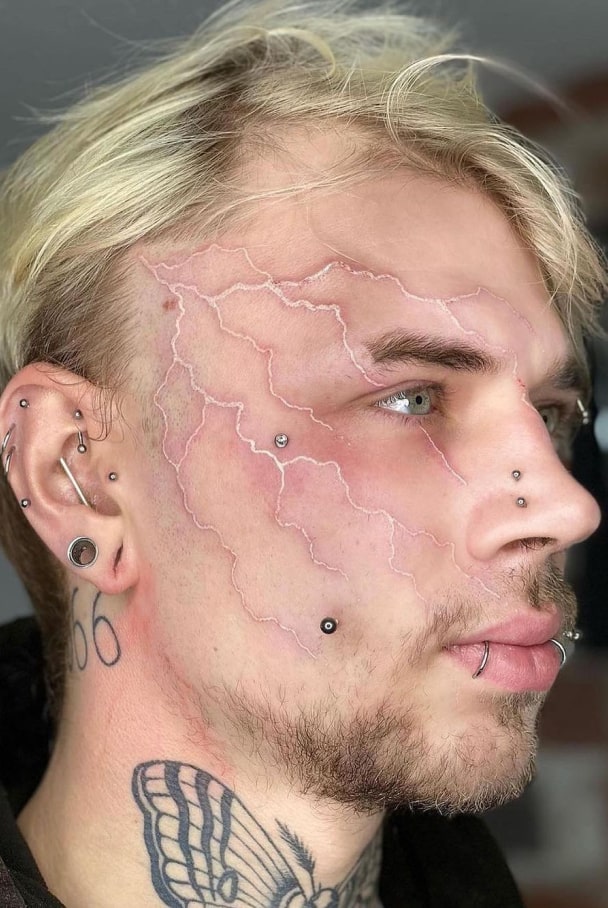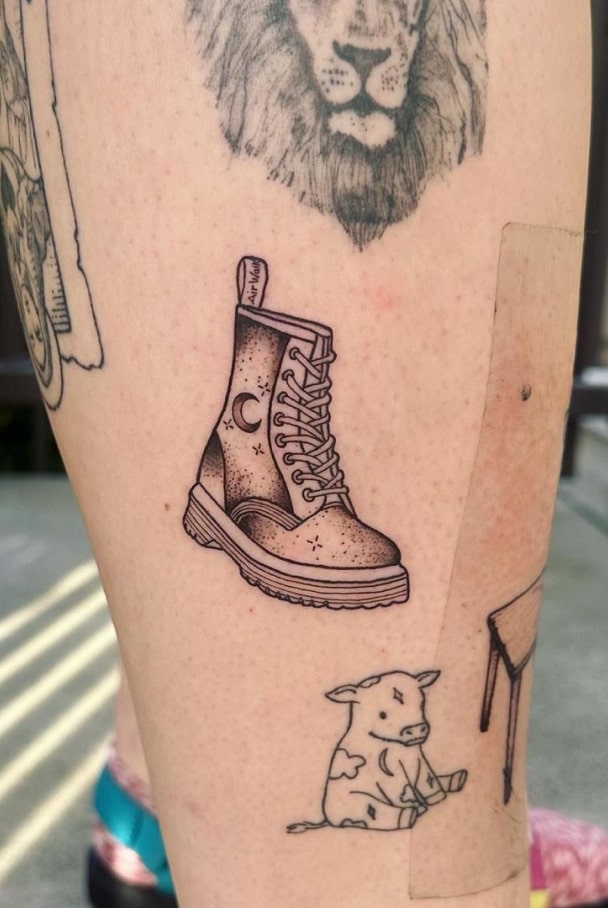


Hand tattoos have gone from rebellious to mainstream, and for good reason. They are bold, personal and impossible to hide, from a clean geometric piece across the back of the hand to flowing script that wraps toward the wrist. They are also one of the placements people research hardest before booking, because two honest questions sit right under the excitement: how much does a hand tattoo actually hurt, and how long will it genuinely last? The short version is that hands are one of the sharper placements on the body, and they ask more of your aftercare than almost anywhere else, so going in informed changes everything.
Here is a straight look at how a hand tattoo really feels, which zones of the hand hit hardest, why the ink behaves the way it does over time, and the simple habits that keep the whole piece as calm, clean and long lasting as this placement allows.
Do hand tattoos hurt a lot?
Short answer: yes, hands rank high on the pain scale. The skin across the back of the hand is thin, there is very little fat to soften the needle, and a web of small bones and tendons sits close to the surface. That means the vibration carries straight into bone, which reads as a sharp, rattling sting rather than a dull surface scratch. Your hands are also dense with nerve endings, since they are built to feel everything you touch, and that sensitivity works against you under a tattoo machine. Most people describe hand work as sharp and bright, with the busiest zones feeling the most intense. The upside is that many hand pieces are compact, so the sharpest stretches tend to pass quickly.
The hand, zone by zone
1. The back of the hand
The back of the hand is the classic canvas, and it is thin skinned with bone and tendon running right beneath the surface. Linework here reads as sharp and precise, and it gets rattlier the closer your artist works to the knuckles. It is popular because it shows a design off beautifully, and while it stings, the flat surface makes it manageable.
2. The knuckles
The knuckles are the sharpest stretch on the whole hand. The skin is tight, creased and always moving, with bone sitting right at the surface, so there is almost nothing to absorb the sensation. Knuckle work reads as a bony, intense scratch, though each knuckle is small, so the sharp part is brief.
3. The side of the hand and wrist edge
The outer edge of the hand, running toward the wrist, is thin and close to bone, so it feels sharp and clean. The inner wrist edge, where the hand softens into the arm, is more sensitive and tender, since the skin is softer and packed with nerve endings. This transition is often where people feel the sting most keenly.
What a hand tattoo actually feels like
The defining sensation across the hand is a sharp, bright sting that travels into bone. Because there is so little padding, very little of the feeling gets softened, so it stays vivid through the session. Across the back of the hand it reads as a clean, precise sting, over the knuckles it sharpens into a tight bony scratch, and along the softer inner edges it can feel electric and almost ticklish.
Crisp linework, which makes up most hand designs, feels sharper than broad shading, because all that sensation lands on a single fine point. The upside is pace. Hand pieces are often compact and line led, so even when the sting is intense, you are rarely sitting with it for long stretches. Keeping your hand loose and relaxed, rather than tensing and gripping, keeps the surface easier to work and the feeling more even.
How to make a hand tattoo hurt less
Hands are a genuinely sharp placement, so a little preparation goes a long way. These habits take the edge off and help you sit through it in far better shape:
- Eat a proper meal first. Steady blood sugar keeps your energy up and heads off the shaky, lightheaded feeling that makes every sting worse. A solid meal an hour or two before your appointment sets you up well, and it matters even on a placement this quick.
- Turn up well rested. Sleep quietly lifts your pain tolerance. A tired body flinches at everything, and on skin as nervy as the hands, arriving well rested is one of the kindest things you can do for yourself.
- Skip the drinks the night before. Alcohol thins your blood and heightens sensitivity, which works against you anywhere and especially on thin hand skin, where it can also mean more bleeding and a patchier result.
- Use a good numbing cream. Hands are exactly the kind of placement where a quality numbing cream earns its keep, because the sensation is sharp, bright and lands on skin built to feel everything. Taking the edge off turns a sharp session into a far easier one. Applied before your appointment, it keeps you calmer and stiller so your artist can lay down clean, precise lines. Our numbing range is made for sensitive placements exactly like this.
How long does a hand tattoo take to heal?
The surface usually settles over about two weeks, with the deeper layers carrying on for a few more. Hands heal quickly on the surface, but they are one of the trickiest placements to heal cleanly, and it comes down to how much you use them. Your hands wash constantly, touch everything and flex all day, so a fresh hand tattoo takes far more wear than a piece on your arm or leg. Keep it clean and lightly moisturised, go easy on hand washing and sanitiser in the first week where you can, and keep it out of the sun once healed. A steady aftercare routine gives a hand tattoo its best chance of settling crisp rather than patchy.
Do hand tattoos fade fast?
Yes, and this is the one thing everyone should know before they book. Hand tattoos fade faster than most other placements, and it is not a sign of poor work. The skin on your hands renews quickly and takes constant friction from washing, gripping and daily use, so the ink simply wears down sooner than it would somewhere protected. Sun exposure speeds that along too, since your hands are out in the light all day long.
None of this means you should avoid a hand tattoo, it just means you should walk in with open eyes. Keep designs bold and reasonably simple, since very fine detail blurs faster on hands than almost anywhere. Expect to want a touch up down the line, and treat it as normal rather than a fault. Diligent sun protection and a solid aftercare habit slow the fade and keep your piece looking sharp for as long as possible.
Is a hand tattoo worth it?
For a lot of people, absolutely. Yes, hands are sharp and they fade faster than protected spots, but they give you something few placements can: a tattoo that is striking, personal and always on show. Go in fed, rested and well prepped, keep the design bold enough to age well, stay on top of aftercare and sun protection, and make peace with the occasional touch up. Do that and a hand tattoo rewards you with a piece of art you see and enjoy every single day.
Frequently asked questions
How bad does a hand tattoo hurt?
Hands rank high on the pain scale. The skin is thin, there is very little padding, bone and tendon sit close to the surface, and the hands are dense with nerve endings, so the sensation reads as a sharp, bright sting. The knuckles are the sharpest stretch, but because most hand pieces are compact, the sharp parts tend to pass quickly.
Do hand tattoos fade fast?
Yes, faster than most placements. Your hands renew their skin quickly and take constant friction from washing, gripping and sun, so the ink wears down sooner. Bold simple designs, diligent sun protection and good aftercare slow the fade, and an occasional touch up is completely normal.
Can I use numbing cream on my hand before a tattoo?
Yes. Hands are one of the placements where numbing cream helps most, because the skin is nervy and the sensation is sharp. Applied before your session, it takes the edge off and keeps you calmer and stiller so your artist can lay down clean, precise lines.
How should I care for a hand tattoo while it heals?
Keep it clean and lightly moisturised, and go easy on hand washing and sanitiser in the first week where you can, since your hands take so much daily wear. Keep designs bold, shield the piece from the sun once it has healed, and expect that a touch up may be worth it later.