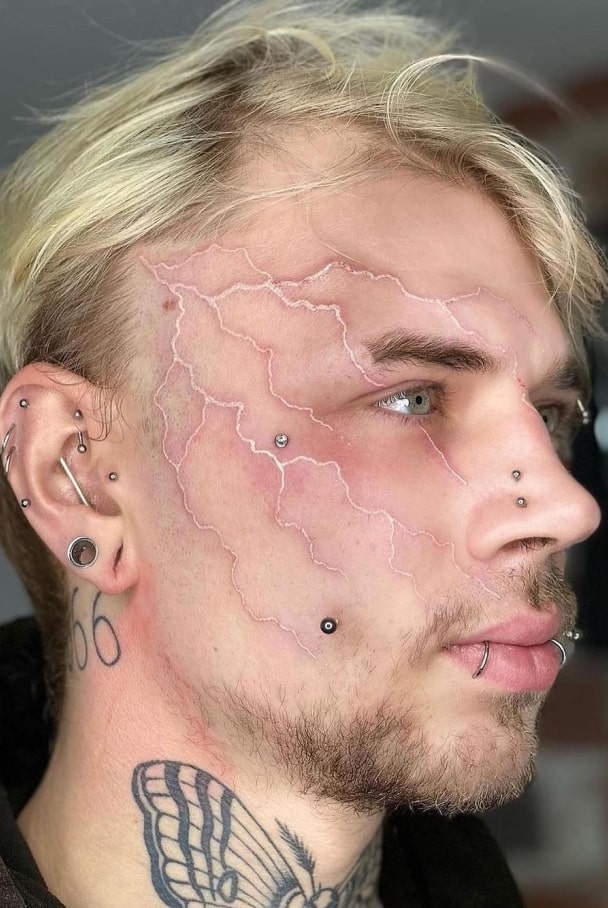
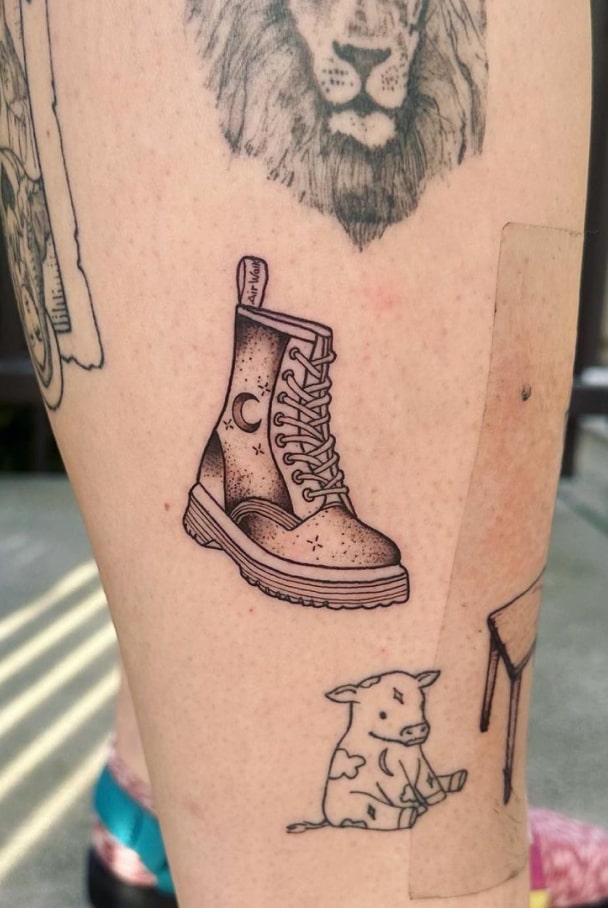
You have just walked out of the studio with fresh ink, and the first question on your mind is simple: how long until this thing is actually healed? It is one of the most searched tattoo questions for good reason. Healing is when your tattoo settles into the bright, crisp piece you booked it for, and rushing or neglecting it is the fastest way to dull the result. The good news is that the timeline is predictable, and once you know the stages you can breeze through them with confidence.
Here is a clear, honest guide to how long a tattoo takes to heal, what happens at each stage, and how to keep discomfort low and colour sharp the whole way through.
How long does a tattoo take to heal?
The surface of a tattoo typically heals in two to three weeks, which is when the scabbing and flaking finish and the skin looks smooth again. The deeper layers, however, keep repairing underneath for a good while longer, usually three to four months, before the tattoo is fully settled. So there are really two answers: the outside looks healed in a couple of weeks, but the full process runs for several months.
That timeline shifts a little from person to person. Placement, the size of the piece, your general health, and how closely you follow aftercare all play a part. A small, simple design on a forgiving spot heals quickly and quietly, while a large, dense piece over a busy area takes its time. Either way, patience during those first weeks pays off for a lifetime.
The stages of tattoo healing
Healing moves through a few clear phases, and knowing what to expect at each one takes a lot of the worry out of the process. What looks alarming on day four is almost always a completely normal part of the cycle.
Days one to six: the fresh and tender stage
Straight after your session the tattoo behaves like an open wound, because that is essentially what it is. Expect redness, warmth, mild swelling, and a feeling much like sunburn. You may notice a little weeping of clear fluid, ink, and plasma in the first day or two, which is completely normal. This is the most tender stretch, so gentle washing and a light layer of aftercare are everything. Keep it clean, keep it covered as your artist advises, and resist the urge to fuss with it.
Days seven to fourteen: the itch and flake stage
Now the surface starts to dry and your tattoo develops a light scabbing or flaking, a bit like peeling skin after sunburn. It will almost certainly itch, sometimes maddeningly. This is the single most important moment for self control, because scratching or picking the flakes can pull out ink and leave patchy spots. Let the flakes fall away on their own, and keep the skin lightly moisturised to ease the itch.
Days fifteen to thirty: the settling stage
By now most of the flaking is done and the tattoo can look slightly dull, cloudy, or shiny. People often panic here, convinced the colour has faded, but this milky look is just a fresh layer of skin sitting over the ink. Give it a little more time and the brightness comes back through. Keep moisturising and stay out of direct sun.
Months two to four: the deep heal
The surface looks and feels normal, but underneath your skin is still finishing the repair. During this window the tattoo gradually reaches its final, settled brightness and texture. Sun protection matters hugely through these months, since UV is the biggest enemy of a crisp, long lasting tattoo.
What is normal and what is not
Most of what happens during healing looks worse than it is. Knowing the difference between normal and a genuine problem saves a lot of needless stress.
Perfectly normal: redness and warmth in the first few days, light swelling, clear or faintly inky weeping early on, itching, scabbing and flaking, and that temporary cloudy look as new skin forms. All of this is simply your body doing its job.
Worth paying attention to: pain that keeps getting worse rather than better after the first few days, spreading redness, heat that intensifies, oozing beyond the early stage, or feeling generally unwell. If anything feels clearly off rather than just uncomfortable, check in with your artist and, where needed, a health professional. Trust your instincts here.
How to heal a tattoo faster and cleaner
You cannot fully rush biology, but you can absolutely keep healing smooth, comfortable, and on the shorter end of the range. These are the habits that genuinely make a difference.
Follow your aftercare routine
Wash the tattoo gently with lukewarm water and a mild cleanser, pat it dry with a clean towel, and apply a thin layer of aftercare. Thin is the word that matters, because smothering a tattoo traps moisture and slows things down. A consistent, light touch two or three times a day keeps the skin happy. Our aftercare range is built to support exactly this, keeping the skin calm and the colour vivid as it heals.
Keep your hands off
No scratching, no picking, no peeling the flakes. This is the hardest rule and the most important one. Every scab that comes off early risks taking a fleck of ink with it, which can leave a patchy spot that needs a touch up later.
Stay out of soaking and sun
Avoid swimming pools, baths, spas, and long soaks until the surface has fully closed, since soaking softens scabs and invites trouble. Keep the fresh tattoo out of direct sun too, and once it is healed, sun protection becomes your long term habit for keeping it sharp.
Wear loose clothing
Give the area room to breathe. Tight fabric rubbing over a fresh tattoo is uncomfortable and can disturb the healing surface. Soft, loose clothing over the spot makes those first days far easier, especially for pieces on the waist, thighs, or arms.
Look after your whole self
Your skin heals best when the rest of you is in good shape. Drink plenty of water, eat well, and get solid sleep. A rested, hydrated body simply repairs faster and more comfortably than a run down one.
Does placement change the healing time?
It does. Areas that move or rub a lot, like hands, feet, elbows, and knees, tend to heal a touch slower because the skin is constantly flexing and getting knocked. Flatter, calmer spots such as the outer upper arm, the thigh, and the back usually settle more smoothly. None of this changes the broad timeline dramatically, but it is worth knowing so you are not surprised if a busy placement takes a little extra patience.
Does numbing cream affect healing?
Numbing cream does its work before and during your session to keep you comfortable in the chair, and it is one of the best things you can do for a calmer tattoo experience, especially on tender spots. Once the session is done, your focus shifts entirely to aftercare for the healing journey. If you are planning a touch up down the line, the same preparation applies again. Our numbing and aftercare range covers you from the first appointment right through to a fully settled tattoo.
The bottom line on tattoo healing
Expect the surface of your tattoo to look healed in two to three weeks and the deeper layers to fully settle over three to four months. Move through the tender, flaky, and cloudy stages without panic, keep your hands off, stick to a light and consistent aftercare routine, and protect the piece from sun and soaking. Do that and you give your tattoo every chance to heal clean, comfortable, and as bright as the day you got it. It is a lifelong piece of art, so a few weeks of care is a small price for decades of sharp, vivid colour.
Frequently asked questions
How long does a tattoo take to fully heal?
The surface usually heals in two to three weeks, once the scabbing and flaking finish. The deeper layers of skin keep repairing for around three to four months, which is when the tattoo reaches its final settled brightness and texture.
Why does my tattoo look faded or cloudy while healing?
That milky, dull look around weeks two to four is completely normal. It is simply a fresh layer of skin sitting over the ink. As that new skin settles, the brightness comes back through, so there is no need to panic.
Can I speed up tattoo healing?
You cannot rush biology, but you can keep healing smooth and on the shorter end by following a light aftercare routine, never picking or scratching, staying out of sun and soaking, wearing loose clothing, and looking after your sleep, water, and food.
Is it normal for a tattoo to scab and itch?
Yes. Light scabbing, flaking, and itching around the second week are a normal part of healing, much like skin peeling after sunburn. Let the flakes fall away on their own and keep the area lightly moisturised to ease the itch rather than scratching.
When can I swim or sunbathe after a new tattoo?
Wait until the surface has fully closed, usually two to three weeks, before swimming, soaking, or long baths. Keep a fresh tattoo out of direct sun while it heals, and make sun protection a long term habit afterwards to keep the colour crisp.