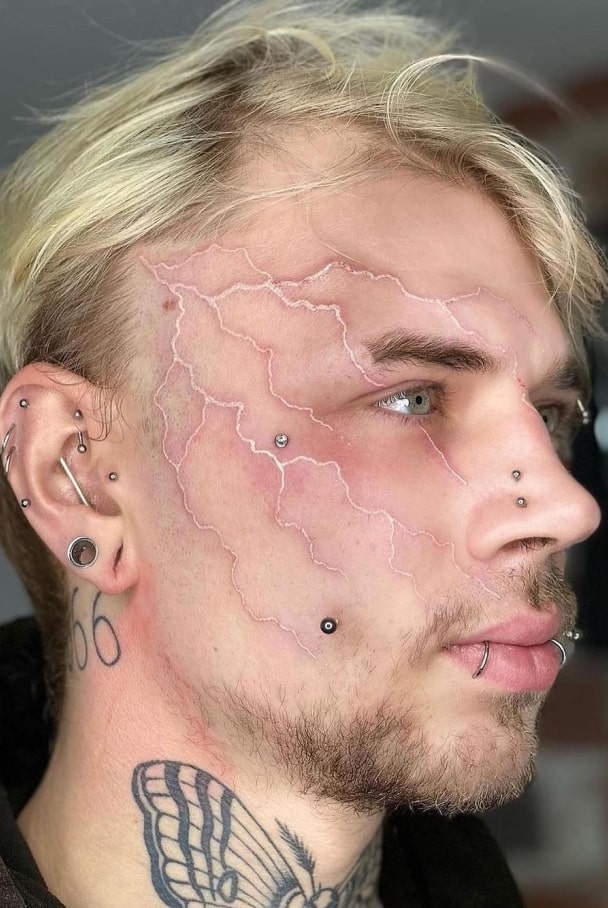
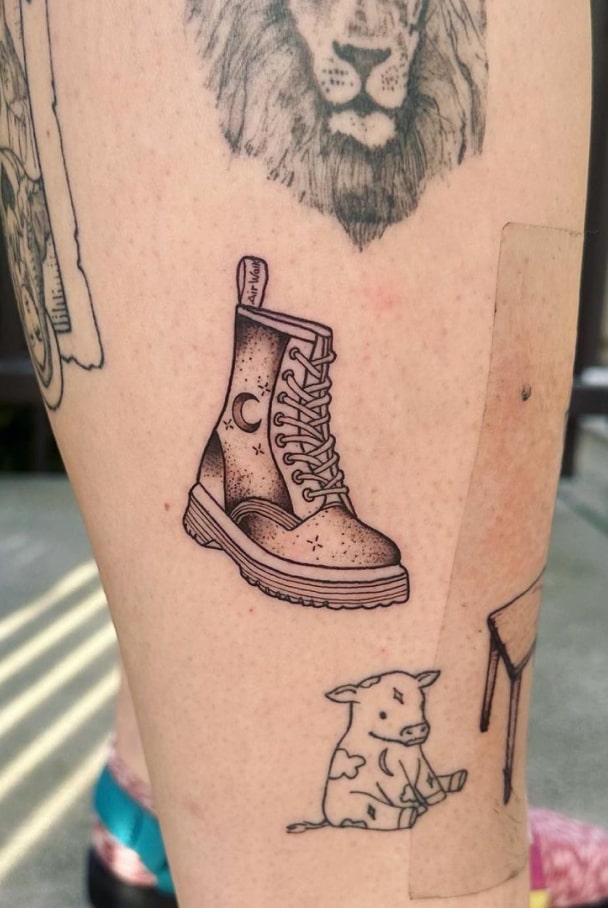
Almost everyone booking ink asks the same thing first: is there any way to make this hurt less? The good news is yes, quite a lot. Tattoo pain is real, but it is also surprisingly controllable once you understand what drives it. The way you prepare, where you sit, how you breathe, and what you put on your skin beforehand all stack up into a session that feels far calmer than the horror stories suggest.
Here is a practical, no nonsense guide to reducing tattoo pain, built around the things that genuinely move the needle rather than myths that waste your energy. Follow these and you set yourself up for the easiest possible time in the chair.
What actually causes tattoo pain?
Tattoo pain comes from a fine cluster of needles moving rapidly in and out of the top layers of your skin to deposit colour. Your body reads that steady, repeated contact as a hot, scratchy sensation. How sharp it feels depends on a handful of factors you can actually influence, which is exactly why reducing the pain is so possible.
The biggest driver is placement. Thin skin sitting close to bone or packed with nerve endings always reads sharper, while cushioned, muscular areas feel softer. After that comes your overall state on the day, how rested and fed you are, how relaxed you stay, and whether you have prepared the skin in advance. Get those working in your favour and the whole thing becomes manageable.
Before your session: set yourself up to win
Most of the battle is won before the needle ever touches your skin. These habits raise your pain tolerance and keep your body steady, so the session starts from a calm baseline instead of a frazzled one.
Sleep well the night before
A tired body flinches at everything. A proper night of sleep quietly lifts your pain threshold and steadies your nerves, so turning up well rested is one of the simplest ways to make a tattoo hurt less. Skimp on sleep and every sensation feels amplified.
Eat a solid meal
Never sit down for a tattoo on an empty stomach. A good meal an hour or two beforehand keeps your blood sugar stable and heads off the shaky, lightheaded, queasy feeling that makes pain so much harder to ride out. Bring a snack and water too if you are in for a long session.
Skip alcohol the night before
Alcohol thins your blood, which means more bleeding, a harder job for your artist, and a sharper feel overall. It also leaves you dehydrated and rougher the next day. Save the celebration for after your piece is done.
Stay hydrated
Well hydrated skin takes the needle more easily and holds colour better. Drink plenty of water in the day or two leading up to your appointment, and your skin will thank you both during the session and through healing.
Use a good numbing cream
If you want one step that makes the single biggest difference, this is it. A quality numbing cream, applied to the area before your appointment, softens the sharpest moments so you can sit relaxed instead of bracing through every pass. It is the closest thing there is to a pain dial you control, and it is especially worth it for tender spots like the ribs, feet, inner arm, and collarbone.
The key is applying it correctly and early enough for it to work. Clean the skin, apply an even layer over the area, and give it the time stated on the product to settle in before you head to the studio. A quick word with your artist beforehand is smart too, since some have their own preferences about timing. Our numbing range is built for exactly this, trusted by people sitting for everything from a first tiny piece to a full sleeve.
During the session: stay calm and ride it out
Once you are in the chair, a few simple habits keep the pain from spiking. The common thread is staying loose, because a tense body feels everything more.
Breathe slow and steady
This is the one people forget, and it matters more than almost anything else in the moment. Holding your breath or clenching tightens the skin and sharpens the feeling. Slow, even breaths, especially long exhales out through the mouth, keep you loose and the sensation steadier. If a tough patch hits, lean harder on your breathing rather than gritting your teeth.
Relax the muscle being tattooed
Tensing the area is a natural reflex, but it works against you. Soft, relaxed skin takes the needle far more comfortably than a clenched, braced muscle. Keep reminding yourself to let the limb go heavy and loose.
Distract yourself
Your brain can only hold so much attention. Music, a podcast, a show on your phone, or easy conversation with your artist all pull focus away from the needle and make the time fly. Many people find that once they settle into a distraction, the tattoo fades into background noise.
Take breaks when you need them
You are allowed to ask for a pause. A short break to stretch, sip water, or just breathe can reset you completely when the session gets long or crosses a tender patch. A good artist expects this and would far rather you tap out for a minute than tough it out miserably.
Choose a more forgiving placement
If you have flexibility on where your tattoo goes, placement is the easiest lever of all. Cushioned, muscular areas sit in the gentler range and make for a far softer session. The outer upper arm, the forearm, the thigh, and the calf are all known for being kind to sit through.
Bonier, thinner spots such as the ribs, feet, hands, spine, and collarbone look stunning but ask more of you. If a sensitive placement is non negotiable because it is the right spot for the design, that is exactly where good preparation and numbing earn their keep. A tender area plus smart prep still beats a tender area plus nothing.
Does size and session length affect the pain?
Yes, but not always how people expect. A small tattoo is over quickly, so even a sharp spot is bearable because it simply does not last long. Larger pieces are less about intensity and more about endurance, since you are sitting through a steady sensation for hours. For big work, pacing yourself, booking across multiple sessions, and leaning on numbing and breaks is what keeps it comfortable from start to finish.
After the session: keep discomfort low while you heal
The sensation does not stop the moment you leave. A fresh tattoo feels tender, warm, and a little sunburnt for the first few days, and good aftercare keeps that discomfort to a minimum. Wash it gently with lukewarm water, apply a thin layer of aftercare as your artist advises, and avoid rubbing or picking at any scabs or flaking. Keep it out of the sun while it settles. A steady aftercare routine not only eases the healing days but keeps your tattoo looking sharp for years.
What does not actually help
A few popular ideas do more harm than good. Numbing yourself with alcohol beforehand backfires by thinning your blood and raising sensitivity. Painkillers that thin the blood can do the same. And toughing it out with pure willpower while tense and holding your breath tends to make everything feel worse, not braver. Save your energy for the things that genuinely work: rest, food, calm breathing, a forgiving placement, and good numbing.
The bottom line on reducing tattoo pain
You have far more control over tattoo pain than the nerves beforehand suggest. Turn up rested and fed, skip the alcohol, prep the skin with a quality numbing cream, choose a kinder placement where you can, and stay loose and breathing through the session. Stack those together and a tattoo stops being something to endure and becomes something you can genuinely sit back and enjoy. The result on your skin lasts a lifetime, so it is more than worth making the hour or two it takes as easy as possible.
Frequently asked questions
What is the best way to reduce tattoo pain?
The single most effective step is applying a quality numbing cream to the area before your appointment, which softens the sharpest moments. Pair it with turning up rested and fed, skipping alcohol beforehand, choosing a cushioned placement, and breathing slowly and staying relaxed during the session.
Does numbing cream really work for tattoos?
Yes. Applied correctly and early enough to settle in before your session, a good numbing cream noticeably takes the edge off, especially on tender spots like the ribs, feet, inner arm, and collarbone. It lets you sit relaxed rather than bracing through every pass.
What should I avoid before getting a tattoo?
Avoid alcohol the night before, since it thins your blood and raises sensitivity, and do not turn up on an empty stomach or short on sleep. Skip blood thinning painkillers too. These all make a tattoo feel sharper and the session harder to sit through.
Which tattoo placements hurt the least?
Cushioned, muscular areas are the most forgiving, including the outer upper arm, the forearm, the thigh, and the calf. Bonier, thinner spots like the ribs, feet, hands, spine, and collarbone read sharper, so good preparation and numbing matter most there.
How can I stay calm during a tattoo?
Breathe slowly with long exhales, keep the muscle being tattooed relaxed, and distract yourself with music, a show, or conversation. Ask for short breaks whenever you need them. Staying loose rather than tense is what keeps the sensation steady and manageable.