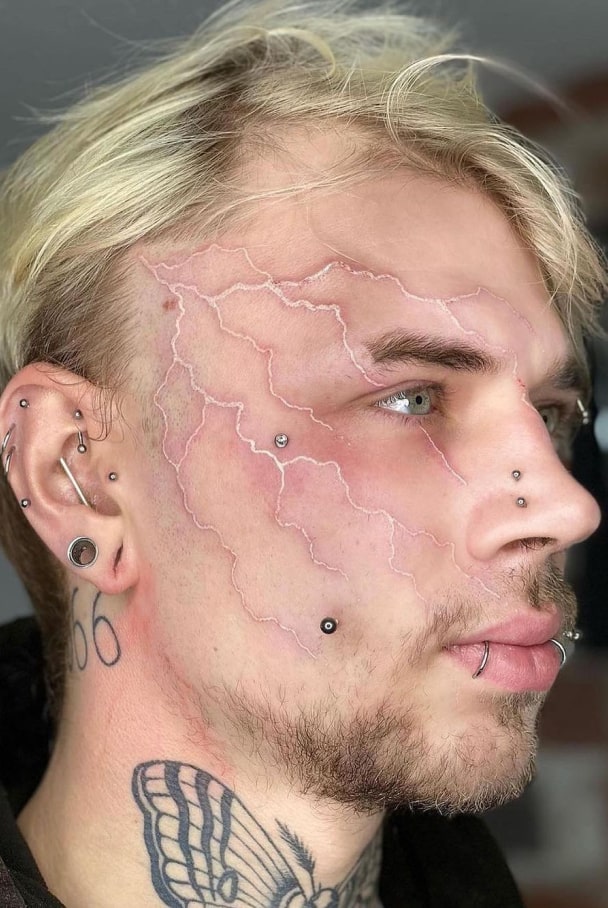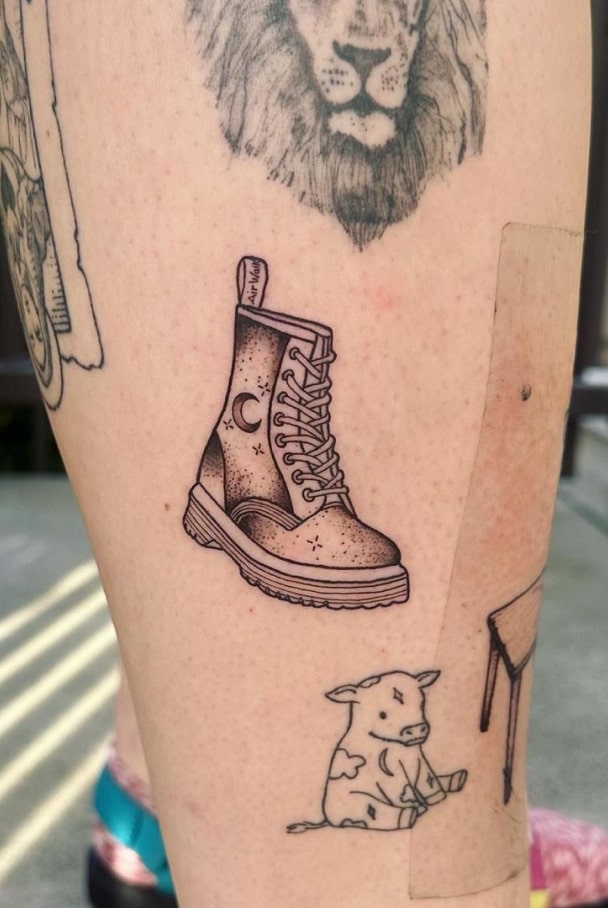


You've made it through the healing process. Your tattoo looks sharp. Then you notice it — little raised bumps right in the ink, or a patch of skin that feels rough and uneven under your fingers. This guide covers everything you need to know about tattoo healing.
→ Shop TNC: TNC Tattoo Numbing Cream | Easy Heal Balm
Don't panic. Bumps on a healed tattoo are actually pretty common, and most of them are completely harmless. But some aren't — and knowing the difference matters.
This guide breaks down every reason your healed tattoo might have bumps: from boring (dry skin) to important (allergic reaction) to serious (infection). You'll know exactly what's causing yours and what to do about it.
Bumps on a Healed Tattoo: What They Mean and What to Do
At TNC, we've helped over 600,000 customers make their tattoo experience more comfortable — here's what we've learned.
Why Does My Healed Tattoo Have Bumps?
Before we dive into causes, let's talk anatomy. Tattoo needles deposit ink into the dermis — the second layer of your skin, beneath the epidermis you can see and touch. When you tattoo over a patch of skin multiple times (shading, heavy packing, line work with multiple passes), the dermis can react in different ways, even months after the visible healing is done.
Bumps on a healed tattoo usually fall into one of these categories:
- Allergic reaction (most common cause of persistent bumps)
- Raised scar tissue or keloid formation
- Sun damage or UV reaction
- Dry skin or moisture imbalance
- Ink-specific reaction (especially reds, yellows, whites)
- Infection (less common after full healing, but possible)
- Folliculitis (hair follicle irritation under the tattoo)
Let's go through each one.
1. Allergic Reaction to Tattoo Ink
What it looks like: Small, raised bumps or a rash that appears specifically in one colour of the tattoo — often red, yellow, or white. The surrounding skin and other colours look normal. Can be itchy.
When it appears: Usually weeks to months after getting tattooed — sometimes even years later. The immune system can develop a delayed sensitivity.
Why it happens: Certain tattoo ink pigments — particularly those used for red, yellow, orange, and white — can trigger a Type IV hypersensitivity reaction. Your immune system is essentially recognising the pigment as a foreign invader and sending cells to attack it.
What to do:
- See a dermatologist. This is the one scenario where self-treatment has limits.
- A doctor may prescribe topical corticosteroids to calm the immune response.
- In severe cases, the ink can be removed with laser treatment, but this is a last resort.
- Don't scratch or pick — you risk breaking the skin and introducing infection.
Prevention: For future tattoos, ask your artist about the ink brands they use and opt for brands with published safety data and strong quality standards. If you've reacted before, patch testing ink on a small area first is a smart move.
Frequently Asked Questions
How long does a tattoo take to fully heal?
Surface healing takes 2–3 weeks. Full healing through all skin layers takes 2–6 months. Following a consistent aftercare routine protects the final result and prevents complications.
What should I put on my new tattoo?
Use a gentle fragrance-free soap for cleaning and a dedicated tattoo balm or salve for moisturising. Avoid petroleum-based products like Vaseline — they trap moisture and can pull ink.
What should I avoid during tattoo healing?
Avoid direct sun exposure, swimming, picking or scratching, tight clothing over the area, and submerging in water until the surface is fully healed.