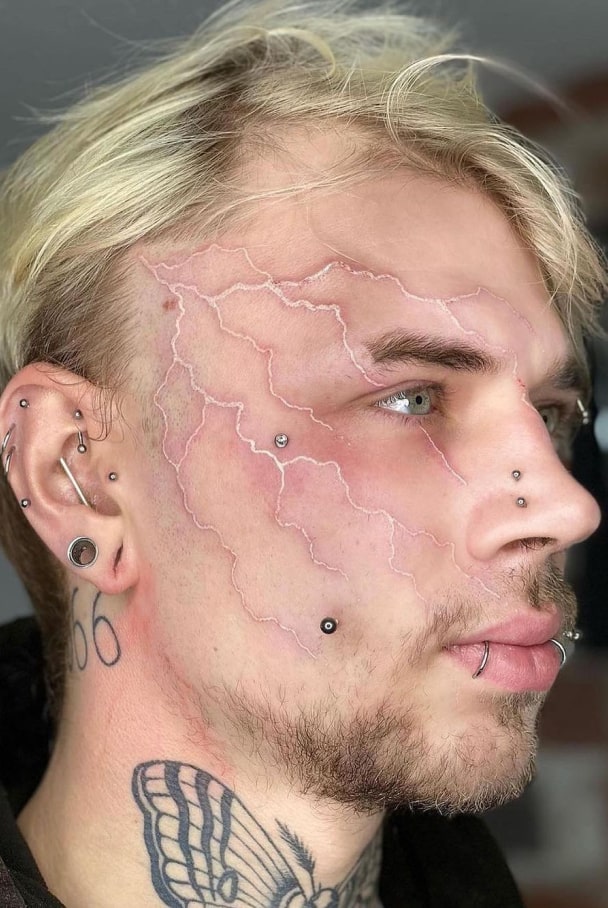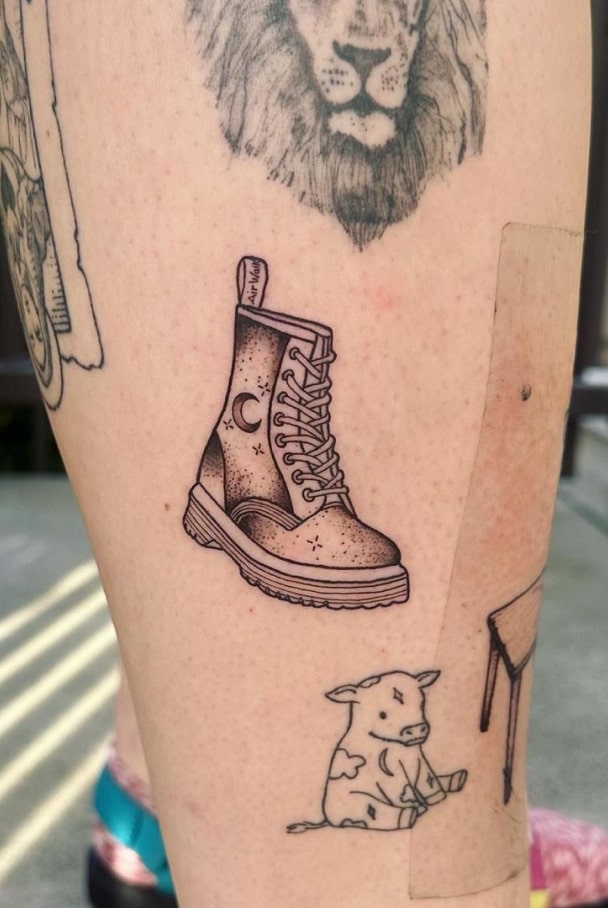

If you're getting your first tattoo, you've probably spent more time thinking about the pain than you'd like to admit.
That's completely normal. The internet is full of horror stories. Your friends have opinions. And somewhere in the back of your mind is a voice asking: "can I actually sit through this?"
Yes, you can. And you have a choice about how much it hurts.
Why First-Timers Worry About Tattoo Pain
Pain anxiety before a first tattoo is almost universal. The problem is that most of what you've heard is either exaggerated or taken out of context.
Your friend who told you it was "the worst pain of their life" got a rib piece from a heavy-handed artist at 19. Your coworker who said "it barely hurt" got a small design on their outer forearm. Both are telling the truth - and neither experience will be yours.
Tattoo pain is real. But it's manageable, predictable, and - with the right preparation - significantly reducible.
What actually drives pain in a tattoo session:
- Placement. Bony areas (ribs, spine, hands, feet, elbows) hurt significantly more than fleshy areas (outer arm, thigh, calf). First tattoo? Going somewhere sensible helps.
- Session length. Pain compounds over time. A 30-minute session is a completely different experience from a 4-hour session, even in the same spot.
- Artist technique. Speed, needle depth, and hand pressure all affect how a session feels. Experienced artists who work cleanly are generally easier to sit for.
- Your body's state. Exhausted, hungover, or underfed going in? You'll feel it more. Rested, hydrated, and fed? Night and day.
None of this is meant to scare you. It's meant to give you realistic expectations so you can make a plan.
Does Numbing Cream Actually Work for First Tattoos?
Short answer: yes - when applied correctly.
We've helped over 600,000 customers take the sting out of tattoo sessions. First-timers, veterans, people with high pain tolerance who just wanted to sit longer, and people who would have cancelled their booking without numbing cream.
Numbing cream works by temporarily blocking pain signals in the skin before the needle touches it. When you apply it correctly - thick layer, covered with cling wrap, left on for 60-90 minutes - you're not masking the experience. You're just removing the part that makes people grip the chair.
Most people who use TNC Signature Tattoo Numbing Cream report pain reduction of 40-60% compared to going in unprepped. "I could feel pressure and movement, but not real pain" is one of the most common descriptions. For many first-timers, that's the difference between a relaxed, enjoyable session and a difficult one.
It's not magic. You'll still feel something - tattoos involve needles. But "something" and "the worst experience of my life" are very different outcomes.
How to Apply Numbing Cream Before Your First Tattoo
This is the most important section in this article. Numbing cream applied wrong does almost nothing. Numbing cream applied correctly works extremely well.
Here's the full protocol:
- Clean and dry the skin. Wash the area with soap and water. No lotion, no sunscreen, nothing else on the skin when you apply. Anything on the skin surface reduces absorption.
- Apply a generous layer. This is not a thin smear. You want a layer thick enough that you can visibly see it sitting on the skin - roughly 3-4mm deep. Cover the full area being tattooed, plus a centimetre or two around it.
- Cover with cling wrap. This step is non-negotiable. The wrap creates an occlusive barrier that drives the cream deeper into the skin. Without it, you get a fraction of the numbing effect. Wrap it firmly but not tight.
- Leave it on for 60-90 minutes. Not 20. Not 45. Sixty to ninety minutes is the minimum for the numbing agent to properly absorb into the nerve endings. Set a timer. Don't rush this.
- Remove completely before your session. Wipe off all the cream with a clean cloth or paper towel before your artist starts. You want clean, dry skin for the needle. Leaving cream on interferes with how the artist reads the skin.
The most common mistakes: skipping the cling wrap, not leaving it on long enough, or applying too thin a layer. Any of these will undercut the results. Follow the five steps exactly.
Will My Artist Mind That I Used Numbing Cream?
This is the question we get asked more than almost any other. The answer, in most cases: no.
The tattoo industry has shifted significantly on this topic. Most professional artists today are comfortable with - and often actively encourage - clients using numbing cream for longer sessions, high-pain placements, or first-time clients. The logic is straightforward: a client who sits still, doesn't flinch, and takes fewer breaks gives the artist a better canvas to work on. Everyone benefits.
A small number of artists prefer clients not to use it. This usually comes from experience with older-generation products that affected skin texture during the session. With a properly formulated numbing cream like TNC Signature - applied correctly and removed before the session starts - this is not a concern.
Our recommendation: mention it at the booking stage. A simple message like "I'm planning to use numbing cream - is that okay with you?" takes five seconds and removes all uncertainty. Most artists will either say yes outright, or tell you their preferred product or protocol. Nobody's going to think less of you for asking.
Using numbing cream is not cheating. It's preparation. The tattoo doesn't hurt less because you suffered through it without help.
Which TNC Product Is Right for Your First Tattoo?
For a first tattoo, we recommend TNC Signature Tattoo Numbing Cream.
Here's why it works for first-timers specifically:
- Maximum-strength formula - our highest pain reduction across standard tattoo placements
- Single-active formula - clean, minimal ingredients, lower risk of skin reaction
- Clear application instructions - no guessing, no ambiguity
- Works across all standard body placements
- Trusted by 600,000+ customers in 40+ countries
If you're getting a larger piece - anything that might run 3+ hours - you may also want to have TNC Miracle Numb Spray available for mid-session application. It's designed for use on broken skin partway through a session, which most numbing products can't do. Between the Signature Cream for the start and the Spray for extended sessions, you're covered the whole way through.
What to Expect During Your Session
With numbing cream properly applied, here's what most first-timers experience:
The first passes feel like firm pressure and movement across the skin. Most people describe it as a scratching or dragging sensation rather than sharp pain. The needle is still there - you'll know something's happening - but the pain signal is significantly reduced.
Line work (crisp, precise single passes) tends to feel slightly more noticeable than shading. If you feel discomfort building, let your artist know - they can adjust their speed, take a short break, or work a different part of the design while that area recovers.
After 2-3 hours, the cream will begin wearing off. For longer sessions, your artist can apply a numbing spray to the working area mid-session to extend coverage.
After the session, expect the treated area to feel sore and tender - similar to a sunburn - for 1-3 days. This is completely normal. Follow your aftercare instructions and it'll settle quickly.
First tattoos are not as bad as the internet makes them sound. With preparation, the experience is manageable for almost everyone. The people who have the worst time are typically the ones who went in underprepared and sat through pain they didn't need to.
Don't be that person.
FAQ
Is numbing cream safe for a first tattoo?
Yes. Quality numbing creams are extensively tested and widely used across the tattoo, permanent makeup, and cosmetic procedure industries. Apply as directed, do not exceed the recommended area, and do a patch test 48 hours before if you have sensitive skin or a history of topical allergies.
How long before my tattoo should I apply numbing cream?
Apply 60-90 minutes before your appointment. Cover with cling wrap immediately after applying. Remove the cream completely before your artist begins. Applying less than 60 minutes before will result in significantly reduced effectiveness.
Will numbing cream affect how the tattoo heals?
No. When applied and removed correctly, numbing cream does not affect ink placement, pigment retention, or the healing process. Follow your artist's standard aftercare instructions as normal. The healing process is the same whether you used numbing cream or not.
What if the numbing cream doesn't seem to be working?
In most cases, reduced effectiveness comes from an application issue: not enough product, no cling wrap, or not leaving it on for the full 60-90 minutes. If you followed the protocol exactly and it still didn't work well for you, contact us and we'll help troubleshoot. Individual skin variation affects absorption rates in some cases.
Ready to make your first tattoo session the experience it should be?
Get TNC Signature Tattoo Numbing Cream - trusted by 600,000+ customers in 40+ countries. Pain is optional.