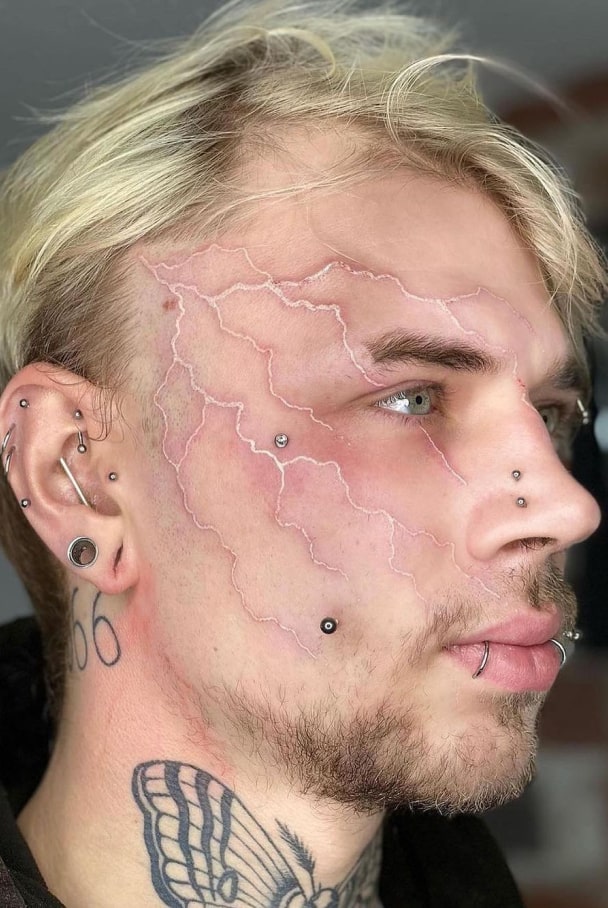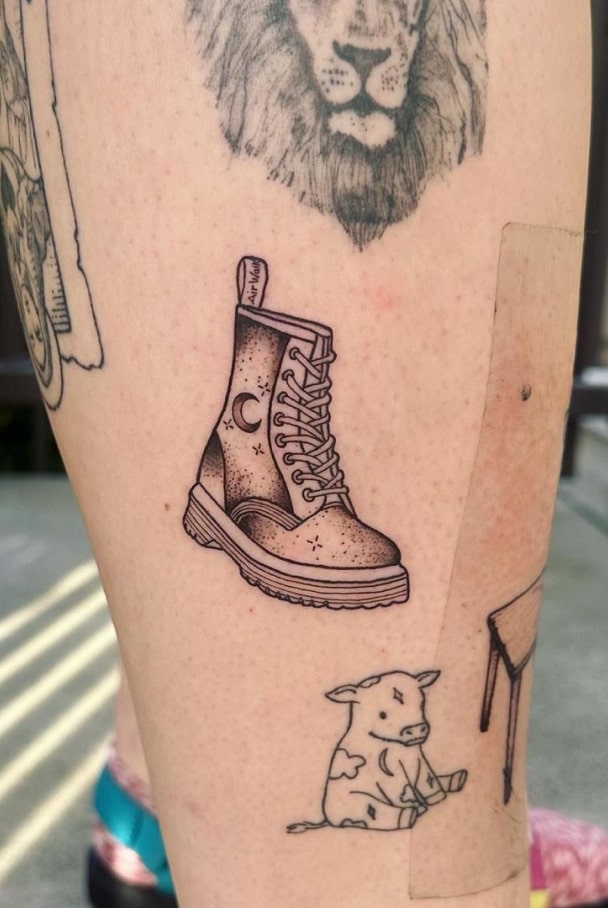


Cybersigilism is the tattoo trend of 2026. Sharp, thin, aggressive lines that look like futuristic glyphs carved into skin — part cyberpunk, part ancient sigil, 100% striking. You've seen them all over TikTok and Instagram. You probably want one.
→ Shop TNC: TNC Tattoo Numbing Cream | TNC XL Numbing Cream
Here's the thing nobody on your feed is talking about: most cybersigilism pieces go on the spine, upper back, sternum, or neck — some of the most painful spots on the human body. Those clean, symmetrical lines running down your spine? They feel exactly as intense as they look.
This guide covers what to expect pain-wise, how to prepare your skin, and exactly how to use numbing cream to make your cybersigilism session as manageable as possible.
Numbing Cream for Cybersigilism Tattoos: Spine & Back Placement Pain Guide (2026)
What Makes Cybersigilism Tattoos Especially Painful
Cybersigilism isn't just another tattoo style. Several factors make the pain experience unique:
1. The Placement
Cybersigilism pieces overwhelmingly go on high-pain areas:
- Spine — directly over the vertebrae, one of the most nerve-dense areas on the body
- Upper back / between shoulder blades — thin skin over bone
- Sternum / chest centre — bony, sensitive, minimal padding
- Neck / nape — extremely sensitive skin with lots of nerve endings
- Ribs — if the design extends down the sides
These aren't exactly "easy spots." Check our Tattoo Pain Chart for a full breakdown of pain levels by body part — spine and sternum consistently rank 8-9 out of 10.
2. The Line Work
Cybersigilism designs are defined by thin, precise, continuous lines. This means:
- The needle traces long, unbroken paths — no breaks for your nerves to recover
- Fine line work requires slower, more deliberate needle movement in some areas
- Symmetrical designs (common in cybersigilism) mean your artist needs to be extremely precise, which can mean more passes over the same area
- The thin needles used for fine line work can feel sharper and more "scratchy" than larger groupings
3. The Duration
While many cybersigilism pieces aren't massive in terms of filled area, the precision required means sessions can run 2-4 hours for a full back piece. On the spine, even a "simple" design takes longer because:
- Artist needs to work carefully around the vertebrae
- You need to stay perfectly still (harder on the spine than most areas)
- The design often requires working in awkward positions
How to Use Numbing Cream for Cybersigilism Tattoos
Here's the step-by-step approach specifically tailored for cybersigilism placements:
Before Your Session (Pre-Application)
What you need:- TNC Signature Tattoo Numbing Cream (professional-strength)
- Cling film
- A friend or partner (applying cream to your own back/spine is nearly impossible alone)
- Timer
- 90 minutes before your appointment, clean the area with soap and water. Exfoliate gently — this removes dead skin cells that block absorption.
- Apply a thick layer (2mm+) over the entire tattoo area. For spine pieces, apply along the full length of the design PLUS 2-3cm beyond the edges in all directions. Cybersigilism designs often have elements that extend wider than you expect.
- Cover completely with cling film. For spine/back placements, you'll likely need multiple strips of cling film overlapping. The occlusion (trapping heat and moisture) increases absorption by up to 5x — this is non-negotiable for high-pain areas.
- Wait the full 90 minutes. Don't rush this. Spine skin is thicker than many people expect, and the numbing agent needs time to penetrate to the nerve layer. Set a timer. Read our full application guide if you want every detail.
- Remove and wipe clean just before your artist starts. They need a clean, dry surface for the stencil. Make sure no cream residue remains — it can affect stencil adhesion.
During Your Session (Mid-Session Numbing)
This is where it gets critical for cybersigilism. Most fine-line sessions run 2+ hours, and the initial numbing will start wearing off around the 1.5-2 hour mark.
The solution: Have your artist apply Miracle Numb Spray once the skin is broken and the numbing starts to fade. Unlike most competitor products, this spray is designed to work on broken skin mid-session. When to spray:- When you start feeling the needle more intensely again (usually 1.5-2 hours in)
- Between major design sections (natural pause point)
- Any time your artist takes a break to wipe and check progress
This two-phase approach — cream before, spray during — extends total numbing coverage to up to 6 hours. More than enough for even the most detailed cybersigilism piece.
Cybersigilism Pain by Placement
Here's a realistic pain guide specifically for common cybersigilism placements:
Full Spine (Vertebrae Line)
Pain Level: 9/10 without numbing With proper numbing: 3-4/10The spine is where bone meets nerves with almost zero fat padding. The needle vibrating directly over vertebrae creates a deep, buzzing pain that radiates outward. Numbing cream significantly reduces the surface sensation, though you may still feel deeper vibration — this is normal and manageable.
Tip: Focus on slow, steady breathing. The vibration sensation over bone can't be fully eliminated, but numbing cream takes away the sharp, stinging surface pain that makes people flinch. Read our guide on how to sit still during a long tattoo session.Upper Back / Between Shoulder Blades
Pain Level: 6-7/10 without numbing With proper numbing: 2-3/10More manageable than the spine itself, but still significant — especially where the design crosses the scapula (shoulder blade). Numbing cream works very effectively here because there's more tissue for absorption.
Sternum / Centre Chest
Pain Level: 8-9/10 without numbing With proper numbing: 3-5/10The sternum is brutal. Thin skin, minimal fat, direct bone contact. Cybersigilism designs that extend from the chest up to the neck are particularly challenging. The good news: numbing cream absorbs well on the sternum because the skin is relatively thin.
Neck / Nape
Pain Level: 7-8/10 without numbing With proper numbing: 2-3/10The neck is one of the most responsive areas to numbing cream. Thin skin means faster absorption and more complete nerve blocking. If your cybersigilism design extends up the neck, the cream + spray combination works exceptionally well here.
Read our full guide on numbing cream for sensitive areas for more detail.
Tips Specific to Cybersigilism Sessions
- Tell your artist you're using numbing cream BEFORE the session. Most artists are fine with it — in fact, many prefer it because you'll stay still. But they need to know so they can plan their workflow accordingly.
- Don't move. Cybersigilism demands precision. A flinch at the wrong moment can throw off a line that needs to be perfectly symmetrical. Numbing cream helps, but mental preparation matters too.
- Bring reference photos for your artist that show the FULL design mapped to your body. Cybersigilism pieces are highly placement-dependent. Where the lines sit relative to your anatomy matters enormously.
- Eat a solid meal 1-2 hours before. Long sessions on the spine can cause blood sugar drops, dizziness, and nausea — especially face-down. Your body needs fuel.
- Stay hydrated. Dehydrated skin is harder to tattoo and absorbs numbing cream less effectively. Drink 2-3 litres of water the day before your appointment.
- Consider splitting larger pieces across 2 sessions. A full back cybersigilism piece in one sitting is ambitious. Two 2-hour sessions with full numbing are better than one 5-hour endurance test.
Will Numbing Cream Affect My Cybersigilism Tattoo's Quality?
No. When applied and removed correctly, numbing cream doesn't affect ink retention or line quality. This is especially important for cybersigilism, where clean lines are everything.
In fact, many artists report that numbed clients produce BETTER tattoo outcomes because:
- You stay still (critical for symmetrical fine-line work)
- Your muscles don't tense and distort the skin
- The artist can work at their optimal pace without stopping for pain breaks
FAQ: Numbing Cream for Cybersigilism Tattoos
How bad does a cybersigilism spine tattoo hurt?
Without numbing, spine cybersigilism rates 8-9 out of 10 on the pain scale. The combination of thin lines, bony placement, and continuous needle work makes it one of the more painful tattoo experiences. With proper numbing cream application (professional-strength, 90-minute pre-application, cling film occlusion), most people report the pain dropping to 3-4 out of 10.
Can I use numbing cream for a cybersigilism tattoo on my sternum?
Yes. The sternum responds well to numbing cream because the skin is thin and absorbs the numbing agent quickly. Apply a thick layer, cover with cling film, and wait the full 90 minutes. For sternum pieces longer than 2 hours, use a mid-session numbing spray to extend coverage.
Will numbing cream affect the fine lines in my cybersigilism design?
No. Numbing cream works on nerve cells, not on the skin tissue or ink. When removed properly before tattooing, it has no effect on line quality, ink retention, or healing. Many artists actually prefer working on numbed clients for precision work because the client stays still.
How long should I leave numbing cream on before a spine tattoo?
90 minutes minimum for spine placements. The spine has relatively thick skin over the vertebrae, and the numbing agent needs the full application time to penetrate to the nerve layer. Using cling film occlusion is essential — it increases absorption by 300-500%.Getting a cybersigilism piece? Don't let the pain ruin the experience. TNC's Signature Tattoo Numbing Cream + Miracle Numb Spray = up to 6 hours of coverage for your most precise work. FCK PAIN.*
Internal Links Used:
- TNC Signature Tattoo Numbing Cream product page
- TNC Miracle Numb Spray / homepage
- Tattoo Pain Chart blog post
- The Science of numbing agent blog post
- How to Apply Numbing Cream blog post
- How to Sit Still During Long Session blog post
- Can You Use Numbing Cream on Sensitive Areas blog post
- Does Tattoo Numbing Cream Reject Ink blog post