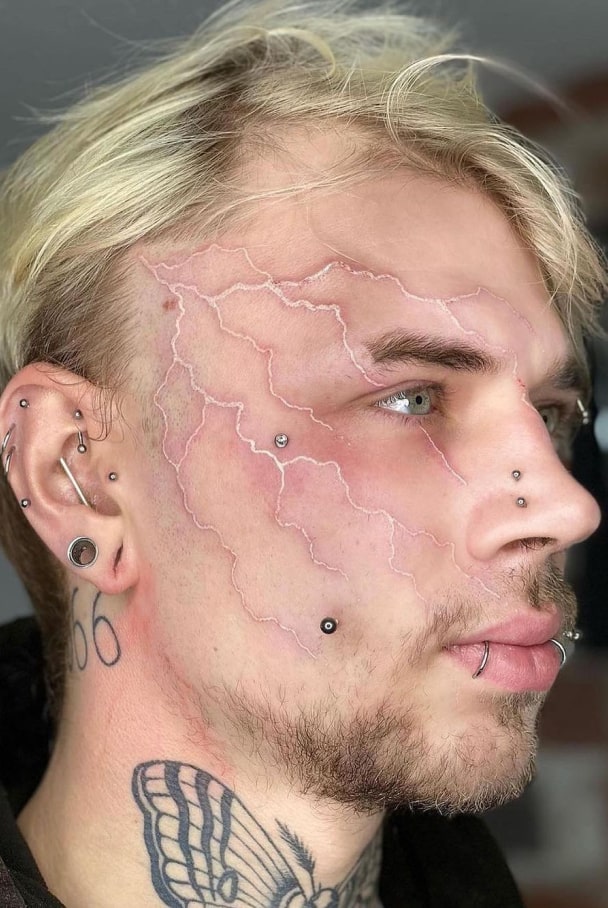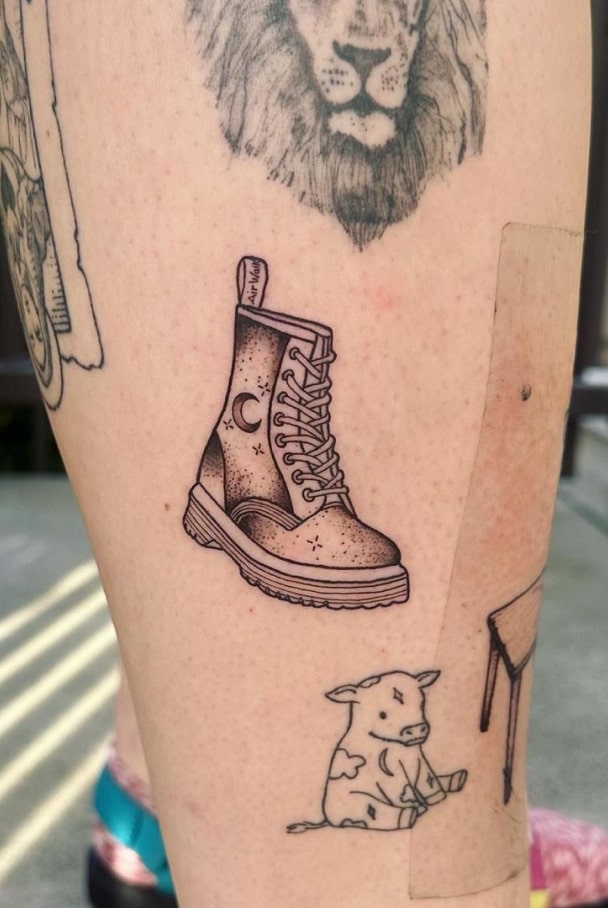


Permanent makeup is one of the fastest-growing segments in the beauty industry — projected to grow at 15%+ CAGR through the end of the decade. Microblading, brow shading, lip blush, permanent eyeliner, areola reconstruction — millions of procedures happen every year.
And almost every client who books one asks the same question before they show up: is this going to hurt?
The honest answer is yes, it can — particularly for lip blush and eyeliner work. The face has dense nerve innervation, and the areas PMU targets (brows, lips, lash line) are among the most sensitive. But "it hurts" doesn't have to be the end of the sentence. Good numbing cream, applied properly, changes the experience completely.
At TNC, we've been in this space for nearly a decade. Here's what we actually know about numbing for PMU — the products, the protocols, and where people go wrong.
Why PMU Procedures Hurt More Than Most People Expect
The pain hierarchy in tattoo and cosmetic tattooing is real. A forearm tattoo and a lip blush procedure are not the same experience, even though both involve needles and pigment.
What drives the difference:
Skin thickness. Facial skin — particularly around the lips and eyelids — is thinner than body skin. There's less tissue between the needle and the nerve endings underneath. Nerve density. The trigeminal nerve serves most of the face. It's one of the largest cranial nerves, with extensive branching around the eyes, brows, and lips. More nerve endings = more signal = more pain. Bone proximity. Microblading sits directly over brow bone. Tapping that close to bone resonates differently than needling into soft tissue. Session length. Most PMU procedures run 90-180 minutes. That's a long time to manage discomfort, and pain compounds — what's tolerable at minute 20 can become genuinely difficult at minute 90.This is why PMU artists who work without numbing lose clients. Not because the procedure was bad. Because the experience was harder than it needed to be.
The PMU Numbing Market Has a Problem
There's a lot of bad advice out there about numbing for permanent makeup — and some of it comes from the industry itself.
Some artists are sceptical of numbing because of old-generation products that caused skin texture issues. Some don't stock or recommend products because of regulatory grey areas around topical anaesthetics. And clients are left to figure it out themselves, often landing on cheap, ineffective products bought off Amazon.
Here's what actually matters when choosing numbing cream for PMU:
Active ingredient concentration. You want professional-strength numbing. This is the maximum available over the counter in most markets, and it's the concentration that actually works for facial procedures where pain tolerance is lower. Products with 2.professional-strengthor lower numbing agent are underpowered for lip blush or eyeliner work. Single-active formula. Some numbing creams combine numbing agent with numbing agent and/or numbing agent for a multi-active approach. For PMU on the face — especially near eyes and lips — single-active numbing agent is safer. The interaction risk goes up with multiple actives, and the facial skin barrier is thinner and more reactive. No unnecessary additives. Fragrances, heavy preservatives, and proprietary blends add reaction risk without adding numbing benefit. Clean formula, active ingredient only. TNC's Signature Tattoo Numbing Cream and Signature Tattoo Numbing Cream check all three boxes. professional-strength numbing, single-active, clean formula. These are the products we back for PMU use because we know exactly what's in them and we've seen how they perform across hundreds of thousands of applications.Numbing Protocol by Procedure Type
The application process isn't complicated, but the details matter — particularly for PMU where you're dealing with sensitive facial skin.
Microblading
Microblading uses a hand tool to deposit pigment in fine hair-stroke patterns along the brow. The needle depth is shallow, but the bone proximity and nerve density in the brow area make it more uncomfortable than its reputation suggests.
Protocol:- Apply numbing cream generously along the full brow area, extending 2-3cm beyond each end
- Cover with food-grade cling wrap — this occlusive barrier is essential for proper absorption
- Leave on for 60-90 minutes
- Remove cream completely immediately before the procedure begins
- Do not apply into the brow hairs themselves — this can interfere with how pigment takes
Ombre/Powder Brows
The machine technique used for powder and ombre brows covers a larger area than microblading and typically runs longer. Same area, same nerves — good numbing matters even more for the extended session time.
Same protocol as microblading. If your session is running over 2.5 hours, discuss with your artist whether a mid-session spray application would help. TNC's Miracle Numb Spray is formulated for use on broken skin — rare among topical numbing products — which means it can be applied partway through a session.
Expected pain reduction: 4-6/10 without numbing → 1-3/10 with.Lip Blush
Lip blush is, objectively, one of the more uncomfortable procedures in the PMU world. The upper lip has some of the densest nerve innervation on the face, and full lip treatments run 90-180 minutes.
Anyone who's done lip blush without numbing — or with inadequate numbing — doesn't forget it.
Protocol:- Apply cream to the full lip area including the lip line
- Upper lip is more sensitive than lower; ensure complete coverage there
- Cling wrap is trickier around the mouth — use two separate strips
- Keep product away from inside of mouth — do not ingest
- Leave on 60-90 minutes
- Remove completely before the procedure
Permanent Eyeliner
Eyeliner tattooing is precise, detail-heavy work along the lash line — and it's sensitive. The eyelid skin is among the thinnest on the body, and the proximity to the eye makes both application and procedure more delicate.
Protocol:- Apply numbing cream to the eyelid skin only — not near the eye opening
- Use a cotton swab for precision — this is not a thick-layer application
- Do not use cling wrap near the eye area
- Leave on 60-90 minutes (smaller area absorbs faster)
- Remove completely before the procedure
This is the procedure where professional product quality matters most. An irritating formula near the eye is a serious problem. Use a clean, fragrance-free, single-active product.
Scar Camouflage and Post-Mastectomy Areola Reconstruction
These procedures are a different beast. Scar tissue can be hypersensitive in some areas and paradoxically numb in others, depending on how the nerve tissue healed. Full areola reconstruction work after mastectomy covers a significant area and can run 2+ hours.
Standard protocol applies — 60-90 minutes before, cling wrap, remove before procedure — but adjust based on the specific scar tissue. For post-mastectomy work in particular, check with your surgeon if there's any concern about the application given the reconstruction.
What Goes Wrong (and Why)
Most numbing failures for PMU fall into one of four categories:
Under-application. A thin smear of cream absorbed into the skin without an occlusive barrier does maybe professional-strengthof what a proper application would do. You need a visible layer and the cling wrap to drive absorption. Wrong timing. Applying 20 minutes before a procedure gives you light surface numbing at best. Apply 60-90 minutes before, and you're getting numbing agent properly absorbed into the nerve endings. Product not removed before procedure. This is less about numbing effectiveness and more about skin texture — leaving cream on too long, or not removing it fully before the artist begins, can temporarily affect the skin surface and how the artist reads the area. Wrong product concentration. 2.professional-strength numbing isn't enough for lip blush. professional-strengthis the target for high-sensitivity PMU procedures.A Note on State-by-State Regulations (US Artists)
This is shifting, and it matters for PMU professionals.
Oregon and Michigan now have clear restrictions on PMU and tattoo artists applying topical anesthetics to clients. The reasoning in both cases is that applying a medical-grade topical anesthetic may constitute the practice of medicine — which tattoo and PMU licenses don't cover.
The practical consequence: clients in those states are now responsible for self-applying numbing cream before their appointments. Artists need to know what to recommend, how to instruct clients, and how to handle the pre-appointment communication. We cover the self-application protocol in detail here.
Industry watchers expect more states to follow. If you're a PMU artist, having a recommended product and a clear client instruction set ready is increasingly part of professional practice — not optional.
For PMU Artists: Choosing What to Recommend
If you're a PMU artist looking to standardise what you recommend to clients, here's our honest take.
You want to be recommending something:
- You've used yourself or vetted properly
- With a clean ingredient list you can stand behind
- That clients can actually find and purchase easily
- That has clear application instructions so they arrive prepped correctly
The risk of recommending a product vaguely — "just use any numbing cream" — is that clients show up with an underdosed or poorly formulated product, apply it wrong, and then tell you numbing "didn't work." That's not a numbing cream problem. That's a recommendation gap.
At TNC, we work with professional artists and studios directly. Our Signature Tattoo Numbing Cream and Signature Tattoo Numbing Cream are used by PMU professionals who want a product they can name confidently. professional-strengthsingle-active numbing agent. Clean formula. Consistent results across 600,000+ applications.
FAQ
Can I use numbing cream for microblading?
Yes. Apply a generous layer of numbing cream to the brow area 60-90 minutes before your procedure, cover with cling wrap, and remove completely before your artist begins. This is now standard practice for most PMU clients and is recommended for all lip blush and eyeliner procedures as well.
How long does numbing last for a PMU procedure?
Applied correctly, numbing cream typically provides 3-4 hours of effective coverage. For longer procedures, ask your artist about a mid-session numbing spray that can be applied to broken skin - extending effective coverage for sessions running 4+ hours.
Will numbing cream affect my PMU results?
No. When applied correctly and removed before the procedure begins, numbing cream does not affect pigment placement, retention, or healing. The cream numbs nerve endings - it does not fundamentally change the skin surface. What does affect quality is a client who tenses, flinches, or takes constant breaks due to unmanaged pain.
Do I need a prescription for numbing cream for PMU?
No. Professional-strength numbing creams are available over the counter in most markets. TNC's Signature Tattoo Numbing Cream and Signature Tattoo Numbing Cream are both available without a prescription, directly from our website, and are safe for use on all standard PMU placements when applied as directed.
At TNC, we've helped 600,000+ customers — and the PMU professionals who serve them — take pain out of the equation. Our Signature Tattoo Numbing Cream and Signature Tattoo Numbing Cream are used by professional cosmetic tattoo artists across the US, UK, Australia, and Southeast Asia. 👉 Shop TNC Signature Tattoo Numbing Cream 👉 Shop Signature Tattoo Numbing Cream Numbing Cream Related reading: