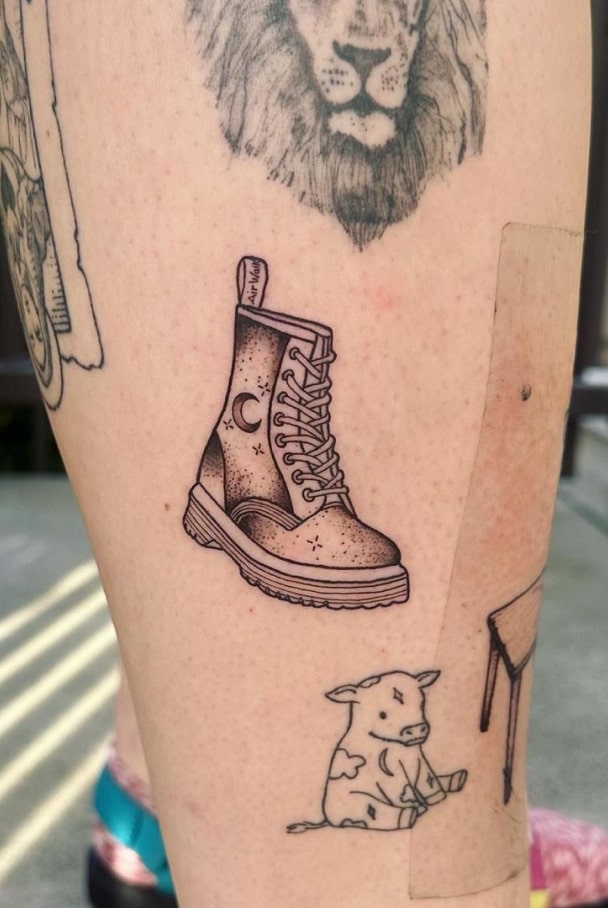


The calf has become one of the most reliable places to get tattooed, and once you know why, it is easy to see the appeal. It gives you a generous, curved canvas, it heals well, and it stays simple to cover or show off whenever you like. If a calf piece is on your mind, the first question is usually the obvious one: how much does a calf tattoo really hurt? The good news is that the calf sits toward the friendlier end of the pain scale for most people, which is a big reason it stays a favourite for everything from a small standalone design to a full wrap around sleeve on the leg.
Here is an honest look at how a calf tattoo actually feels, which zones stay relaxed and which ask a little more of you, how the healing tends to go, and the simple habits that keep the whole day calm.
Do calf tattoos hurt a lot?
Short answer: usually not much. The calf is widely rated as one of the more comfortable areas to get tattooed, especially across the fuller muscle at the back of the lower leg. Most people describe a warm, steady scratch rather than anything fierce, and plenty settle in so well that a long sitting passes without much drama.
The reason comes down to what sits under the skin. The calf carries a good layer of muscle and soft tissue, so the needle has something forgiving to work against and there is real distance between the surface and any bone. The feeling only climbs when a design moves toward the shin, wraps around the sides, or drifts down toward the ankle and the back of the knee. So the same piece can feel almost easy on the calf muscle and noticeably sharper as it heads onto bonier ground.
The lower leg, zone by zone
1. The calf muscle
This is the star of the show. The fleshy back of the lower leg is cushioned, stable, and sits in the mild range for most people. Expect a warm, buzzing scratch rather than anything harsh. It is a superb choice for a first big piece or a long sitting, because you can relax into it and let the hours slip by without much fuss.
2. The shin
The front of the lower leg is a different story. The shin sits right over bone with very little padding, so linework there can feel sharp and rattly, almost like a vibration running through the leg. It is still workable for most people, but you will feel it clearly, and it stands out as the most demanding part of any piece that wraps to the front.
3. The sides of the calf
As a design moves around the sides of the lower leg, the feeling sits between the two extremes. The outer side stays fairly comfortable, while the inner side is softer and a touch more sensitive, with more nerve endings near the surface. A wrap around piece will have a natural rhythm of calmer and sharper stretches as it travels around the leg.
4. Near the ankle and behind the knee
If your design drifts down toward the ankle or up behind the knee, be ready for the more tender moments. The skin thins out near the ankle and sits close to bone, so it feels sharper there. Behind the knee is soft, creased, and busy with nerves, which makes it one of the more ticklish and buzzy spots on the leg. Most calf pieces stay on friendlier ground, but if yours reaches these edges, this is where the sharper moments tend to gather.
What a calf tattoo actually feels like
Over the main calf muscle, most people describe a warm, humming scratch that fades into background noise once they relax. It is the kind of spot where you can hold a conversation, scroll your phone, and let the clock disappear, which is a big reason it is such a loved placement for larger pieces that need time.
Move onto the shin and the tone shifts. The front of the lower leg feels sharper and more rattly because the needle is working so close to bone. Shading generally feels gentler than crisp linework, spreading the feeling into a graze rather than a point. Because so much of a calf piece sits on the forgiving muscle, the sharper moments are usually short and well spaced out across a long session.
How to make a calf tattoo hurt less
The calf is already kind, but a few habits make it even easier and keep you comfortable through a longer sit. These are the things that genuinely help:
- Eat a proper meal first. A steady blood sugar level keeps your energy up and heads off the shaky, lightheaded feeling that makes everything sting more. A solid meal an hour or two before your appointment sets you up well, especially for a big calf piece that runs long.
- Turn up well rested. Sleep quietly raises your pain tolerance. A tired body flinches at everything, so a good night beforehand does more than you would expect.
- Skip the drinks the night before. Alcohol thins your blood and heightens sensitivity, which works against you even on an easy area and can lead to more bleeding during the session.
- Use a good numbing cream. Even on a friendly spot like the calf, a quality numbing cream keeps a long sitting relaxed from start to finish, and it really earns its keep if your design wraps onto the shin or reaches the ankle. Applied before your appointment, it takes the edge off the sharper zones while you enjoy the easy ride on the muscle. Our numbing range is built for exactly this kind of session.
- Breathe out, do not brace. Tensing your leg makes the skin harder to work and the feeling sharper. Slow breaths out through the mouth keep the muscle loose and the sensation more even.
- Wear the right clothes. You may be sitting for a while, so choose loose shorts or bottoms that give the artist easy access and will not rub on the fresh piece afterwards.
How long does a calf tattoo take to heal?
The surface usually settles over about two weeks, with the deeper layers carrying on underneath for a month or so. The calf is a strong healer thanks to its good blood flow and the fact that the main muscle does not fold and crease the way a joint does.
The main things to watch are friction and swelling. Because it sits low on the body, the lower leg can puff up a little in the first days, which is normal and settles quickly. Tight jeans, socks, and boots pull clothing across fresh ink, which can tug at scabs and slow the surface healing, so loose bottoms help in the first week. Keep it clean and lightly moisturised, put your feet up when you can, and shield it from the sun once it is healed. A steady aftercare routine is what keeps a calf tattoo crisp and bright instead of dull and patchy.
Is a calf tattoo worth it?
For most people, absolutely. The calf is comfortable, it heals cleanly, and it suits an enormous range of styles, from a small standalone piece to a bold design that wraps the whole lower leg. You get a generous, curved canvas with plenty of room to breathe, and it stays easy to cover or reveal whenever you like. Go in fed, rested, and prepped, place it thoughtfully around the shin and ankle, and you will walk out with a piece that sits beautifully and lasts.
Frequently asked questions
Does the calf or the shin hurt more?
The shin hurts more. It sits right over bone with almost no padding, so linework there feels sharp and rattly. The calf muscle at the back of the leg is cushioned and sits in the mild range for most people.
How long does a calf tattoo take?
It depends on size and detail. A small piece might take under an hour, while a larger design that covers much of the calf or wraps the lower leg can take several hours across one or more sittings.
Can I use numbing cream on my calf before a tattoo?
Yes. Even though the calf is an easier area, a quality numbing cream keeps a long sit relaxed and really helps if your design wraps onto the shin or reaches the ankle. Apply it before your session for a calmer experience.
Do calf tattoos fade faster?
They hold up well overall, but friction from tight socks and boots can wear at fresh ink, and sun exposure fades any piece over time. Keeping up with moisturising and sun protection, and avoiding tight bottoms on fresh ink, keeps a calf piece looking sharp for far longer.