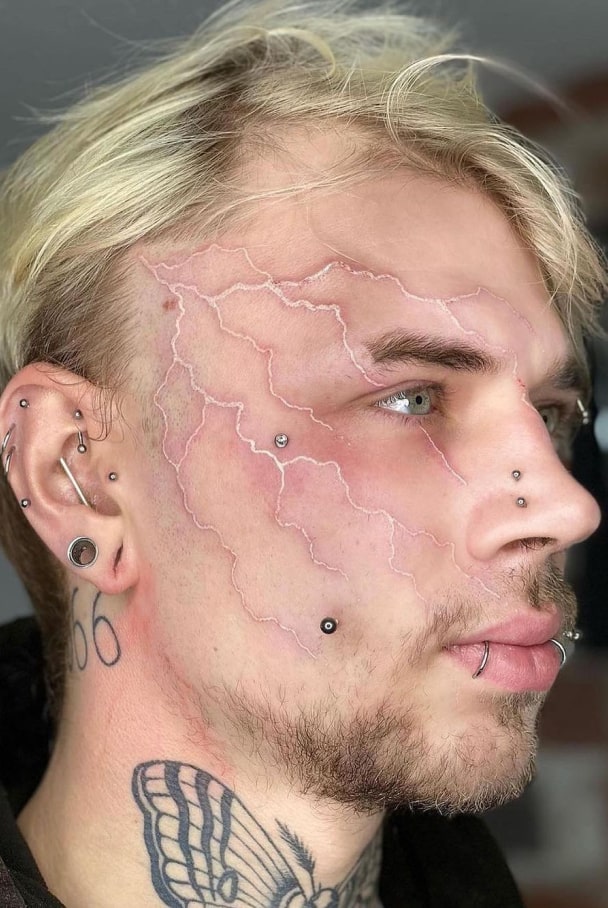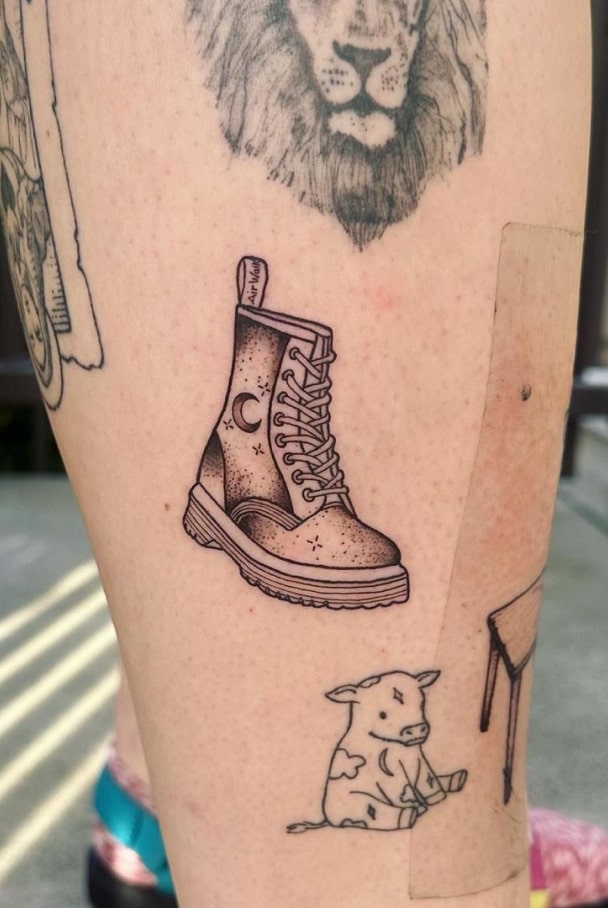


Everyone wants to know the most painful tattoo spots. Not out of curiosity. Out of self-preservation. Before anyone commits to ribs, spine, or hands, they Google it. They want to know how bad it really is, how long it lasts, and whether they’re about to make a mistake.
→ Shop TNC: TNC Tattoo Numbing Cream | TNC XL Numbing Cream
Here’s the honest answer. Some areas hurt more. A lot more. But the pain is predictable, temporary, and very rarely as catastrophic as the internet makes it sound.
Tattoo pain comes down to three things: nerve density, thin skin and proximity to bone. When you combine all three, you get the “worst places to get tattooed.” When you remove one of those variables, pain drops significantly.
The ribcage is usually at the top of every most painful tattoo spots list, and for good reason. The skin here is thin, the nerves are active, and there’s very little padding between needle and bone. Add breathing into the mix and the sensation feels sharper because the skin constantly moves. People describe rib tattoos as burning or intensely vibrating. Long rib sessions are mentally exhausting, not because the pain escalates, but because it stays consistent for hours. Yet people still choose ribs because the canvas is large, dramatic, and ideal for detailed work. The aesthetic payoff outweighs the discomfort for many.
The spine is another notorious one. Directly over bone, loaded with nerve pathways, and centrally located, it produces a deep, buzzing pain that feels amplified. Line work along the spine can feel surprisingly sharp compared to shading. What makes it tough is the lack of distraction. There’s nowhere for the sensation to diffuse. It travels. But again, people get spine tattoos for symmetry, symbolism, and impact. It’s one of the most striking placements when done well.
Feet and ankles are brutal for different reasons. The skin is thin, the bones are close, and vibration travels through the entire foot. Small tattoos here can feel disproportionately intense. On top of that, feet swell easily, which can extend soreness after the session. Despite this, foot tattoos remain popular because they’re subtle, stylish, and easy to conceal.
Hands and fingers are often underestimated. They look small, so people assume they’ll be quick and manageable. They are quick. They are not always manageable. The hands are packed with nerve endings. There’s minimal fat. Every pass of the needle feels precise and concentrated. Finger tattoos in particular can sting sharply. Still, they’re high-visibility placements, and for many, that visibility is the point.
The inner bicep is another surprise for first-timers. It doesn’t look intimidating. It’s soft, not bony. But soft tissue with high nerve sensitivity creates a sharp, almost electric sensation. Many people rank the inner arm as more painful than the outer arm by a wide margin. It’s a classic example of how padding doesn’t automatically mean comfort.
The armpit and groin sit in a category of their own. These are advanced placements. Extremely sensitive, high nerve concentration, and psychologically uncomfortable. The pain here is intense and immediate. Not many people choose these areas casually. Those who do usually know exactly what they’re signing up for.
The neck is sharp, especially the side and front. Thin skin, constant movement, and high sensitivity create a focused sting. It’s rarely a long session area, which helps, but it still ranks high on the pain scale.
Behind the knee and inside the knee are also consistently ranked among the most painful tattoo spots. The skin is thin, movement is constant, and the sensation feels tight and stretched. Long sessions here can become draining quickly.
Now here’s what most articles don’t explain clearly. The pain doesn’t build forever. It plateaus. The intensity you feel in the first few minutes is usually the intensity you’ll feel for most of the session. What changes is your tolerance. Fatigue makes it feel worse. Anxiety amplifies it. Dehydration lowers your threshold. But the needle itself isn’t escalating.
That’s why two people can get the exact same tattoo in the exact same spot and describe completely different experiences. Pain is physical, yes, but it’s also neurological. Stress tightens the body. A tense body registers sensation more intensely. A calm body processes it more efficiently.
Another overlooked factor is session length. A small rib tattoo might be uncomfortable but manageable. A five-hour rib session becomes mentally heavy. Long sessions in high-sensitivity areas are what give certain placements their fearsome reputation.
So why do people still choose the most painful tattoo spots?
Because placement matters. Some designs only work in certain areas. A script along the ribs flows differently than it would on a forearm. A spine tattoo carries symmetry you can’t replicate elsewhere. A hand tattoo makes a statement that a thigh tattoo never will.
Pain is temporary. Placement is permanent.
Most people who get rib, spine, or hand tattoos don’t regret the placement. They just remember the session as intense. And intensity isn’t the same as disaster.
It’s also worth noting that pain tolerance increases with exposure. People with multiple tattoos often describe later sessions as easier, even in sensitive areas. The body adapts. The brain adapts. Familiarity reduces fear.
If you’re worried about choosing one of the most painful tattoo spots, the smarter question isn’t “Will it hurt?” It’s “Am I prepared?”
Preparation changes everything. Hydration. Sleep. Proper nutrition. Managing anxiety before you sit down. Planning session length realistically. Taking breaks. All of it affects how the pain feels and how quickly you recover.
The other reality is this. Modern tattooing is not about unnecessary suffering. Artists want clients comfortable. Comfortable clients sit better. They move less. They heal better. That benefits everyone.
The internet often frames the most painful tattoo spots as endurance tests. As proof of toughness. That mentality is fading. Today, it’s about getting the best artwork possible with the least stress on your body.
If you understand what makes certain areas more painful, the fear shrinks. Thin skin plus bone equals sharper sensation. High nerve density equals heightened response. Long sessions equal fatigue. None of that is mysterious. It’s predictable.
And predictable pain is manageable pain.
When people avoid tattoos entirely because they’re scared of the worst-case scenario, they’re reacting to exaggeration, not reality. Yes, ribs hurt more than forearms. Yes, hands sting more than calves. But very few people describe the experience as unbearable.
The most painful tattoo spots are intense, not endless. The discomfort peaks during the session, fades in the days after, and disappears completely during healing.
If placement is important to you, don’t let exaggerated stories decide for you. Make the decision informed, not intimidated.
Pain lasts hours. The tattoo lasts a lifetime.
And that’s why people still choose the “worst” spots.
Most Painful Tattoo Spots (And Why People Still Get Them)
Related Reading
- How Long Does Numbing Cream Last on a Tattoo? (Complete Guide 2026)
- Do Tattoo Artists Care If You Use Numbing Cream? (The Honest Truth)
- Tattoo Pain Chart for Men: Where Does It Hurt Most? (2026 Guide)
- Signature Duo Bundle
Frequently Asked Questions
How painful is a tattoo really?
Pain varies by placement, individual tolerance, and session length. Bony areas — ribs, spine, elbows, hands — hurt most. Fleshy areas like the outer arm or thigh are far more manageable.
What is the best way to reduce tattoo pain?
Eat beforehand, stay hydrated, avoid alcohol, and use a quality numbing cream. TNC's numbing cream significantly reduces discomfort for any placement, especially ribs, spine, and hands.
How long does post-tattoo soreness last?
Most people experience soreness similar to a sunburn for 2–5 days after a session. Proper aftercare — keeping the area clean and moisturised — shortens recovery time noticeably.