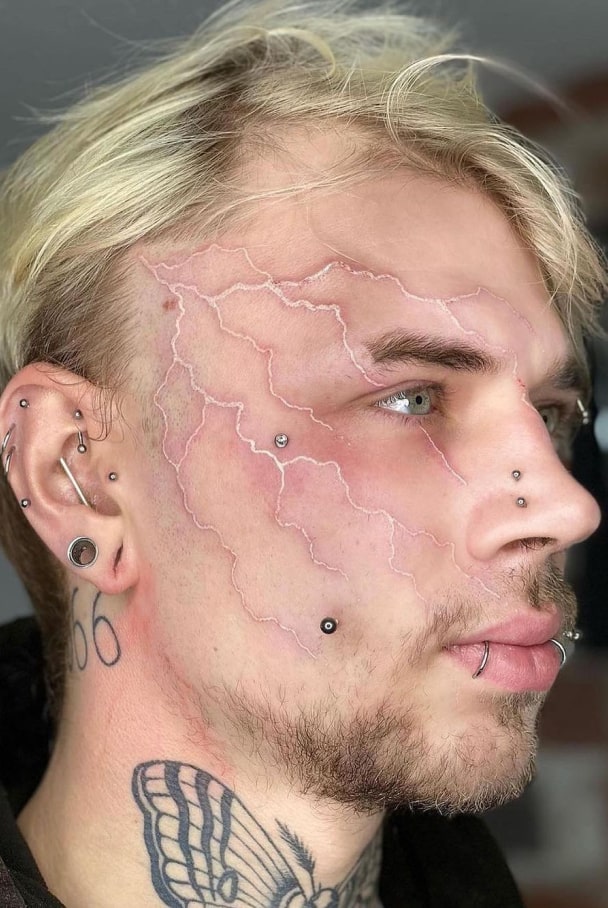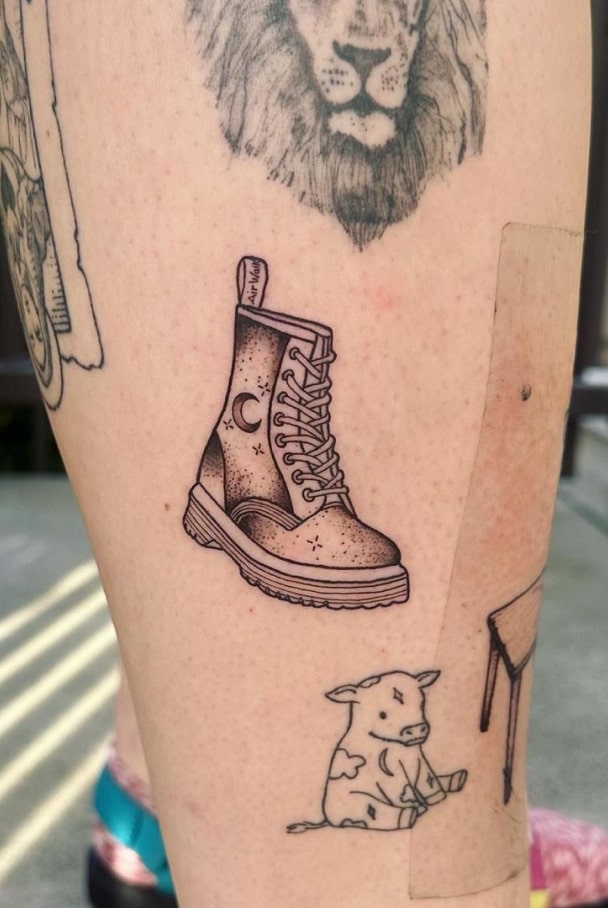


Scars tell stories. They mark moments of challenge, change or survival. But what if those stories could be rewritten, transformed into something beautiful and empowering? This guide covers everything you need to know about tattoo healing.
→ Shop TNC: TNC Tattoo Numbing Cream | Easy Heal Balm
That’s exactly what many people are doing in 2026. They’re choosing to tattoo over their scars. This isn’t just about covering something up. It’s about reclaiming your skin, turning a past mark into a powerful piece of art.
Whether you have surgical scars, stretch marks, or other skin imperfections, this guide is for you. We’ll explore how tattoos can help you heal, what to consider before getting inked and how to make the process as comfortable as possible.
Why Choose to Tattoo Over a Scar?
The reasons are deeply personal and varied:
Emotional Healing: For many, a scar can be a constant reminder of trauma or a difficult past. Transforming it with a tattoo can be a powerful step in moving forward and taking control of their narrative.
Aesthetic Transformation: A tattoo can blend, camouflage, or completely transform the appearance of a scar, turning it into a unique design element rather than a perceived flaw.
Empowerment: The act of choosing a design and consciously altering a part of your body that was once a source of discomfort can be incredibly empowering.
Not All Scars Are Created Equal: What You Need to Know
Before you jump into a scar cover-up it’s crucial to understand that not all scars are suitable for tattooing. The type, age and condition of your scar all play a role.
General Guidelines -
Age Matters: Scars should be fully healed and mature, typically at least 1-2 years old. Fresh scars are still changing and can react unpredictably to ink.
Type of Scar: Flat, pale scars (like some surgical scars or stretch marks) are generally easier to tattoo. Raised (hypertrophic) or keloid scars are more challenging. Tattooing over them can be more painful and the ink may not hold as well.
Consult Professionals: Always consult with your doctor first to ensure your scar is healthy enough for tattooing. Then, find a tattoo artist who specialises in scar cover-ups.
The Art of the Cover-Up: Finding the Right Artist and Design
This isn’t a job for just any tattoo artist. You need someone with experience and a sensitive approach.
Finding Your Artist -
Specialisation: Look for artists whose portfolios clearly show successful scar cover-up work. Ask to see healed photos.
Empathy & Communication: A good scar cover-up artist will be patient, understanding, and excellent at communicating. They’ll guide you through the process with care.
Design Considerations -
Working With the Scar: The best designs often incorporate the scar’s texture or shape into the art, rather than trying to completely hide it. This can create a truly unique and meaningful piece.
Flow & Movement: Designs that have natural flow, like florals, abstract patterns, or organic shapes, tend to work well with the contours of the body and scar tissue.
Colour & Shading: Strategic use of colour and shading can help distract from or blend the scar’s appearance.
Pain Management: Making Scar Tattooing Comfortable
Scar tissue can be very sensitive. It might be more painful to tattoo than regular skin, or it might have reduced sensation. Either way, comfort is key for a successful session.
This is where a high-quality tattoo numbing cream becomes invaluable. It can significantly reduce discomfort, allowing both you and your artist to have a smoother experience.
Applying a powerful numbing cream like our Signature Tattoo Numbing Cream before your session can make a huge difference. It helps you relax, stay still, and allows your artist to focus on the intricate details required for a beautiful scar cover-up. This is especially important for larger areas or particularly sensitive scars.
Healing and Aftercare for Tattooed Scars
Healing a tattoo over scar tissue can sometimes take a little longer or require extra care. Follow your artist’s aftercare instructions diligently.
Moisturise: Keep the area well-moisturised to support skin elasticity and healing.
Sun Protection: Protect your new tattoo from the sun. Scar tissue is already vulnerable, and sun exposure can damage the ink and the skin.
Listen to Your Body: If you notice unusual redness, swelling, or pain, contact your artist or doctor immediately.
The Global Movement: Scar Cover-Ups in the USA and Australia
The movement to tattoo over scars is gaining momentum worldwide. In both the USA and Australia, artists are increasingly specialising in this transformative work.
USA: Major cities like New York, Los Angeles and Chicago have artists renowned for their scar cover-up expertise, often working with clients who have undergone surgery or experienced accidents.
Australia: In Sydney, Melbourne and Brisbane, there’s a growing community of artists focusing on “medical tattooing” and scar camouflage, helping individuals reclaim their bodies after mastectomy, self-harm, or other life events. Organisations and artists are actively promoting this form of healing through art.
This global trend highlights a shift towards seeing tattoos not just as decoration, but as tools for personal growth and empowerment.
Embrace Your Story, Transform Your Skin
Tattooing over a scar is a profound decision. It’s an opportunity to turn a mark of the past into a symbol of strength, beauty, and resilience. It’s about choosing how you want your story to be told on your skin.
Don’t let the potential for discomfort hold you back from this transformative journey. With the right artist and the support of a quality numbing cream, you can embrace your story and create a masterpiece.
Ready to transform your scars into art? Explore our range of tattoo numbing creams and sprays to ensure your scar cover-up session is as comfortable and empowering as possible.
Tattooing Over Scars: A Journey of Healing and Empowerment in 2026
At TNC, we've helped over 600,000 customers make their tattoo experience more comfortable — here's what we've learned.
Related Reading
- Tattoo Blowout: What It Is, Why It Happens & How to Prevent It (2026)
- Tattooing Over Stretch Marks: Pain, Cover-Up Strategy & Aftercare (2026)
- Numbing Cream for Tattoo Artists: The Studio Protocol Guide (2026)
Frequently Asked Questions
How long does a tattoo take to fully heal?
Surface healing takes 2–3 weeks. Full healing through all skin layers takes 2–6 months. Following a consistent aftercare routine protects the final result and prevents complications.
What should I put on my new tattoo?
Use a gentle fragrance-free soap for cleaning and a dedicated tattoo balm or salve for moisturising. Avoid petroleum-based products like Vaseline — they trap moisture and can pull ink.
What should I avoid during tattoo healing?
Avoid direct sun exposure, swimming, picking or scratching, tight clothing over the area, and submerging in water until the surface is fully healed.