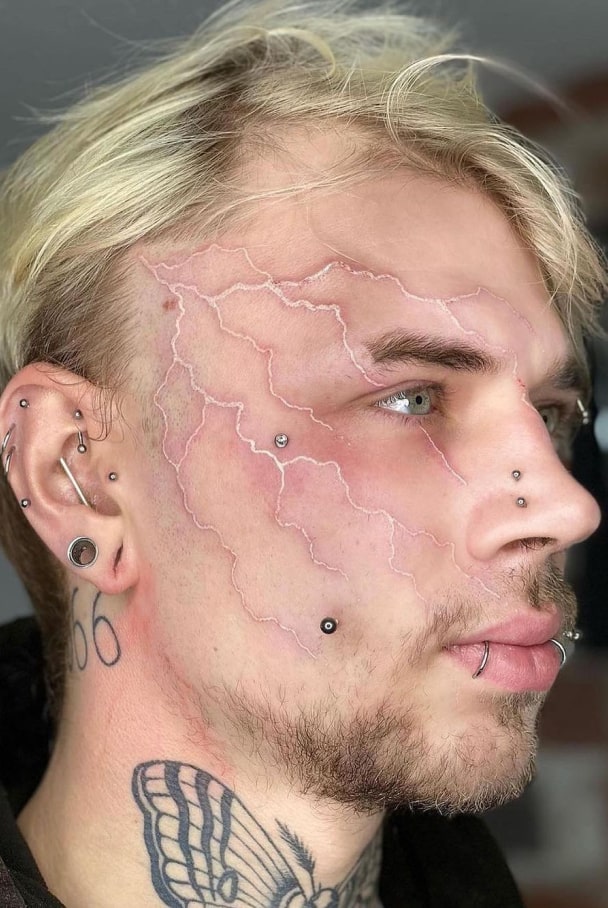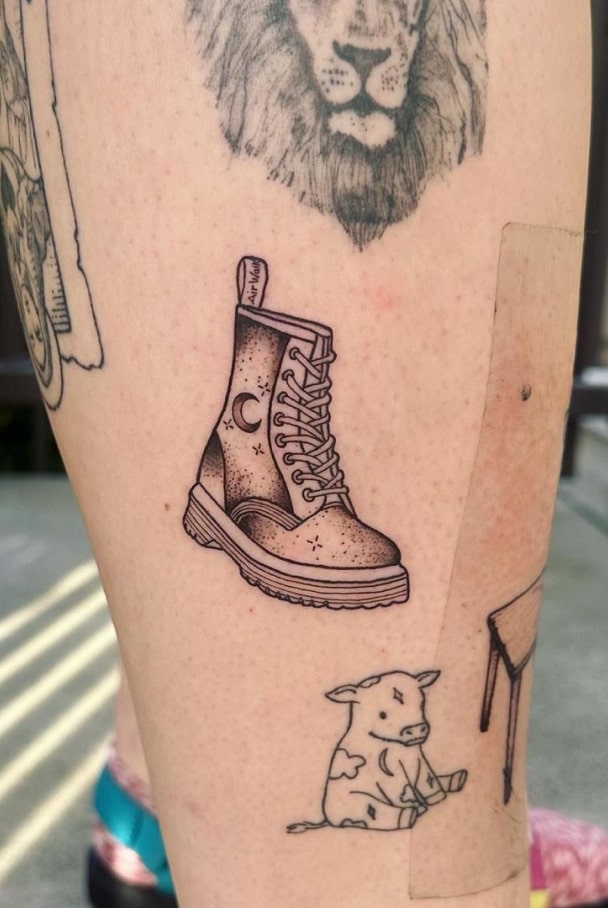


Watercolour tattoos look like someone spilled a painting straight onto skin. Soft washes of colour, no heavy black outlines, edges that bleed and blend like real paint on paper. They're one of the most eye catching styles out there, and they get more popular every year. But if you're thinking about getting one, you probably have questions. Do they hurt? Do they last? How do you keep one looking fresh?
Here's the honest guide to watercolour tattoos: how much they hurt, how long they really last, and the aftercare that keeps those colours singing.
What is a watercolour tattoo?
A watercolour tattoo mimics the loose, flowing look of watercolour paint. Instead of the bold black lines you see in traditional work, the artist uses soft gradients, splashes, drips and blended colour to create something that looks painted rather than drawn. Think blooming flowers, galaxies, feathers and abstract splashes of colour that fade out at the edges.
The style leans hard on colour and shading rather than structure. That's what gives it that dreamy, artistic feel, and it's also what makes the aftercare and placement choices matter so much.
Do watercolour tattoos hurt?
Here's the short answer. A watercolour tattoo hurts about the same as any other tattoo of a similar size in the same spot. The pain comes from the needle and where it lands on your body, not the style of art itself.
That said, there's a twist worth knowing. Watercolour pieces often use a lot of shading and colour packing to build those rich, blended washes. Shading means the needle passes back and forth over the same patch of skin again and again. On tender areas, that repeated work can feel more tiring than a quick line based design.
Placement changes everything
Where you put a watercolour tattoo makes a bigger difference to pain than the style does. Soft, nervy spots like the ribs, inner arm, feet and sternum will always nip more. Meatier areas like the outer thigh, upper arm and calf handle the buzz far more comfortably. If it's your first tattoo, picking a friendlier spot keeps the whole thing calm.
Longer sessions, more sensation
Because colour heavy work takes time, a detailed watercolour piece can mean a longer sit. The needle itself doesn't hurt more, but spending an hour or two under it wears anyone down. Going in prepared is what keeps a longer session from turning into a hard one.
How long do watercolour tattoos last?
This is the big question everyone asks, and there's a myth to clear up first. You may have heard that watercolour tattoos fade fast and vanish within a few years. That's not quite true, but there's a reason people say it.
A watercolour tattoo done well, by an artist who understands the style, lasts just as long as any other tattoo. The trick is in how it's built. Skilled watercolour artists anchor those soft washes with subtle structure underneath, so the colour has something to hold onto as the years pass.
Why some fade faster
The pieces that fade quickly usually skipped that foundation. Pure colour with no anchoring, applied too light, on a high movement or heavily sunned area, will soften faster than a bold traditional design. Light and pastel tones naturally sit more delicately in the skin than deep blacks and saturated colour.
How to make yours last
Two things protect a watercolour tattoo more than anything else. First, choose an artist who genuinely specialises in the style and can show you healed watercolour work, not just fresh photos. Second, protect it from the sun for life. Sunlight is the number one reason colour tattoos lose their punch, and watercolour pieces feel it first.
Watercolour tattoo aftercare
Because these tattoos live and die by their colour, aftercare matters even more than usual. Get the healing right and those washes stay vivid. Get it wrong and you risk patchy, faded colour before the piece has even settled.
The first two weeks
A fresh watercolour tattoo heals like any other. Expect light scabbing, some peeling, and a slightly cloudy look before the true colour comes through. Keep it clean, keep it moisturised, and resist the urge to pick or scratch. Pulling off a scab early can lift colour with it, and on a watercolour piece that shows badly.
Keep it moisturised
Colour heavy tattoos love a steady moisturising routine while they settle. A good aftercare balm keeps the skin supple, calms the itch, and helps those soft gradients heal smooth rather than flaky. Apply a thin layer often rather than a thick layer rarely.
Sun protection for life
Once healed, sunscreen becomes your tattoo's best friend forever. Every hour of unprotected sun chips away at colour, and pastel watercolour tones are the first to suffer. A daily habit of covering or protecting the piece keeps it looking painted on rather than washed out. This single step does more for longevity than anything else.
How to prepare for a watercolour tattoo session
Since watercolour work often means a longer, colour packed sit, a bit of prep goes a long way:
- Eat a solid meal beforehand. A longer session drains your energy. Turning up fed keeps you steady and stops the lightheaded wobble that hits when your fuel runs low.
- Sleep well the night before. Your pain tolerance drops hard when you're tired. A rested body handles a long colour session far more comfortably.
- Skip the alcohol. Drinking the night before thins your blood and cranks up sensitivity, which makes shading messier and healing harder.
- Use a numbing cream. For the repeated passes and longer sits that watercolour work involves, a quality numbing cream takes the edge off beautifully. Our numbing range is ideal for colour heavy sessions where you'll be under the needle for a while.
- Bring reference and water. Show your artist the exact colours and feel you want, and keep sipping water through the session to stay comfortable.
Are watercolour tattoos worth it?
If you love the look, absolutely. A watercolour tattoo is one of the most expressive, artistic styles you can wear, and the fading myth mostly comes down to picking the right artist and protecting the piece. Choose someone who specialises in the style, go in fed and rested, prep the skin, and commit to sun protection for the long haul. Do that, and you'll carry a piece of living art that stays as vivid as the day you got it.
Frequently asked questions
Do watercolour tattoos hurt more than regular tattoos?
Not from the style itself. The pain comes from the needle and the placement, so a watercolour piece hurts about the same as any tattoo in that spot. The heavy shading and longer sessions can feel more tiring though, so going in prepared helps.
Do watercolour tattoos fade faster?
Only if they're done without proper anchoring or left unprotected in the sun. A watercolour tattoo done by a skilled artist and protected well lasts just as long as any other. Sun protection and good aftercare are what keep the colour vivid.
How do I make my watercolour tattoo last longer?
Choose an artist who specialises in the style and can show healed work, then protect the piece from the sun for life. Daily sun protection and steady moisturising during healing do more for longevity than anything else.
Can I use numbing cream for a watercolour tattoo?
Yes, and it's especially helpful. Watercolour work often means longer sessions with lots of shading passes, so a quality numbing cream applied beforehand keeps a long colour sit far more comfortable.