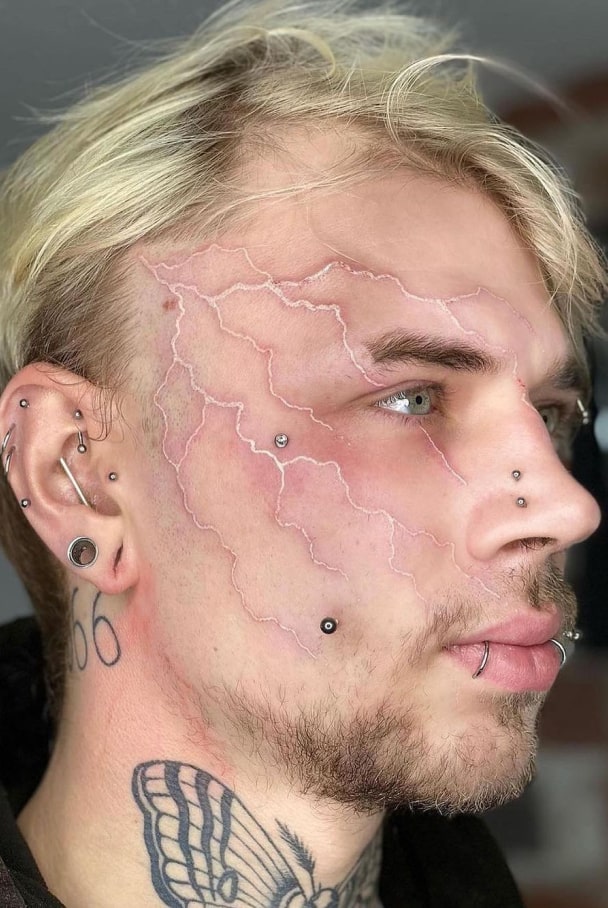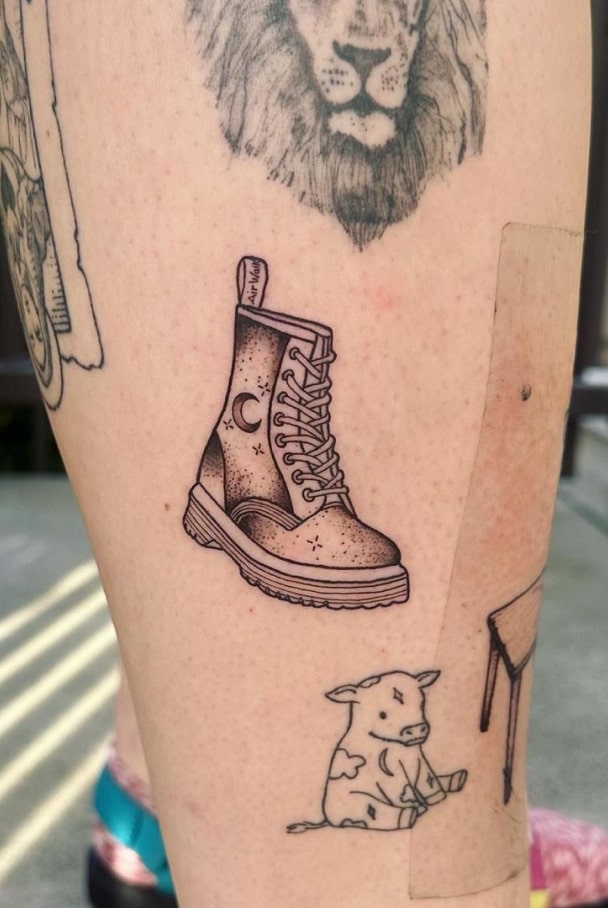


You've been thinking about it for weeks. Maybe months. The design is picked, the artist is booked, the deposit is paid. But one question keeps nagging: What does it actually feel like?
→ Shop TNC: TNC Tattoo Numbing Cream | TNC XL Numbing Cream
Everyone says something different. "It's not that bad." "It feels like a cat scratch." "Worst pain of my life." None of that is helpful when you're trying to mentally prepare.
Here's an honest, detailed breakdown of what getting a tattoo actually feels like — broken down by phase, by sensation type, and by body part. No sugarcoating.
What Does Getting a Tattoo Actually Feel Like? (Honest Answer)
The Very First Moment
When the needle first touches your skin, you'll feel a sharp, concentrated sting. It's sudden, it's focused, and your immediate thought will probably be: "Oh — that's what it feels like."
For most people, the first 30 seconds are the most intense. Not because the needle gets gentler, but because your body hasn't kicked its pain response into gear yet. You're fully aware, fully alert, and processing a new sensation.
The good news? Within a minute or two, your brain starts adjusting. You don't go numb — but the shock of it fades, and you settle into the sensation.
The Different Sensations
A tattoo doesn't feel like one thing. It changes depending on what the artist is doing:
Linework (Outlining)
What it feels like: A sharp, scratching sensation — like a cat dragging its claw across your skin with consistent pressure. Some describe it as a hot, focused drag that follows a path. Why it's like this: Linework uses a single needle (or tight grouping) moving in clean, deliberate strokes. The needle penetrates the skin in a focused line, which creates a precise, sharp sensation. Pain level: Moderate to high. Linework is usually the most intense phase because the needle is creating new trauma in fresh skin with each line.Shading
What it feels like: A buzzing, scrubbing sensation — less sharp than linework, more of a sustained irritation. Some people describe it as sunburn being rubbed with sandpaper. Why it's like this: Shading uses wider needle groupings that move back and forth over the same area, filling in gradient tones. The sensation is spread over a larger surface area. Pain level: Low to moderate. Many people find shading easier to endure than linework. The broad sensation is less startling than the sharp focus of a line.Colour Packing
What it feels like: Similar to shading but with more intensity. A firm, grinding pressure as the artist works ink into the skin. Colour packing often requires multiple passes over the same area. Pain level: Moderate. The repetition over the same skin area can build discomfort over time, but the sensation per stroke is usually less acute than linework.Whip Shading / Stippling
What it feels like: Quick, stinging taps — like being flicked rapidly with a rubber band. It's rhythmic and comes in bursts. Pain level: Low to moderate. The rapid tapping can be irritating but rarely reaches the intensity of deep linework.How It Changes Over Time
The First 30 Minutes: Adjustment Phase
Your body is figuring out what's happening. The pain feels most vivid here because everything is new. You're hyperaware of the needle. Your muscles might tense involuntarily.
What happens biologically: Your nervous system sends pain signals, your brain processes them at full volume.30 Minutes – 2 Hours: The Endorphin Window
This is when most people report the experience becomes manageable — sometimes even pleasant. Your body releases endorphins (natural painkillers) in response to the sustained pain stimulus. Some people describe a mild euphoria or a floating, meditative state.
This is the "tattoo high" that experienced collectors talk about. The pain is still there, but it's muted. Distant. Your body has turned down the volume.
2–4 Hours: The Grind
Endorphins don't last forever. After about 2–3 hours, they start to taper off and the pain returns — sometimes worse than the beginning because the skin is now traumatised, swollen, and inflamed.
This is where long sessions get tough. The skin has been worked over and over, each pass of the needle hurts more than the last, and your mental reserves are depleting.
This is also exactly where numbing cream earns its money. If you applied cream before your session, it's covering this entire window. When it starts wearing off, numbing spray picks up the slack on broken skin. Read our guide on the two-phase numbing system.
4+ Hours: Mental Game
If you're still in the chair after 4 hours, the physical pain becomes secondary to the mental fatigue. You're tired, your body is stressed, the endorphins are gone, and you're running on willpower.
This is where most people want to stop. Read our guide to sitting still during long sessions for practical survival tips.
How It Feels on Different Body Parts
Pain varies enormously depending on where you're getting tattooed:
Low Pain Areas (3–5/10)
- Outer upper arm / shoulder — thick skin, good muscle padding
- Outer thigh — fleshy, low nerve density
- Upper back (below shoulders) — decent padding
- Calf — moderate padding, manageable
These feel like the "standard" tattoo experience. Noticeable but very manageable.
Medium Pain Areas (5–7/10)
- Inner arm — thinner skin, more nerves
- Chest (away from sternum) — variable padding
- Outer forearm — moderate
- Shin — close to bone
More intense, especially on thin-skinned areas. The jump from outer arm to inner arm is surprising for first-timers.
High Pain Areas (7–9/10)
- Ribs — bone, thin skin, breathing movement
- Sternum — bone with zero padding
- Spine — bone vibration
- Neck — thin skin, high nerve density
- Inner elbow (ditch) — soft, sensitive, bendy
- Hands and feet — extreme nerve density
These are where people use words like "intense," "brutal," and "I'm never doing that again." They're also the areas where numbing cream makes the biggest difference. Check our guide to numbing cream on sensitive areas.
For the full breakdown, see our tattoo pain chart ranking every body part.
Common Analogies (And How Accurate They Are)
People love comparing tattoo pain to other things. Here's how accurate the most common comparisons actually are:
"Like a cat scratch" — ★★★★☆ — Decent for linework. The dragging, scratching sensation is similar, but a tattoo is more sustained and precise. "Like a sunburn being scratched" — ★★★★★ — Best analogy for shading and colour work. That hot, raw, sensitive feeling is almost exactly right. "Like being stung by bees" — ★★★☆☆ — Only accurate for very sensitive areas or deep linework. Most of the time it's less acute than a bee sting. "Like someone writing on you with a ballpoint pen… hard" — ★★★★☆ — Good for single-needle linework on moderate-pain areas. "Not that bad" — ★★☆☆☆ — Depends entirely on where and for how long. Outer arm for an hour? Sure. Ribs for 5 hours? Very different story.What You Won't Feel
Some things you might expect that don't actually happen:
- You won't feel individual needle penetrations. Modern tattoo machines cycle too fast (50–3,000 times per minute) for you to feel each poke. It's a continuous sensation, not distinct jabs.
- You won't feel blood. You might bleed a little during the session, but you won't feel it. The needle sensation overwhelms everything else.
- You probably won't faint. Fainting during tattoos is rare and usually caused by low blood sugar, dehydration, or anxiety — not the pain itself. Eat before your session, stay hydrated, and you'll be fine. Our 24-hour preparation countdown covers exactly what to eat, drink, and avoid.
How to Reduce the Pain
If you're reading this because you're worried about the pain, here are the proven ways to reduce it:
- Numbing cream — applied 60–90 minutes before with cling film. Reduces pain by 60–80% for 3–4 hours. The single most effective method. Here's how to apply it properly.
- Get good sleep the night before — sleep deprivation lowers pain threshold dramatically
- Eat a solid meal 1–2 hours before — stable blood sugar = better pain tolerance
- Stay hydrated — hydrated skin handles needles better
- Choose your placement wisely — for a first tattoo, fleshy areas (outer arm, thigh, upper back) are much more manageable than bony areas
- Breathing techniques — controlled breathing activates your parasympathetic nervous system and genuinely dulls pain perception
For the complete preparation guide, read our first tattoo checklist.
FAQ: What Does a Tattoo Feel Like?
Does getting a tattoo hurt more than you expect?
Most people report that the pain is different from what they expected — not necessarily worse. The sensation is unique and hard to prepare for mentally. First-timers often say "It wasn't what I imagined but I could handle it." The anticipation is usually worse than the reality.
What part of getting a tattoo hurts the most?
For most people, linework (outlining) is the most intense phase. After that, the pain tends to decrease during shading and colour work. The exception is extended colour packing over the same area, which can build up cumulative soreness.
Does it hurt more at the beginning or end?
Both, for different reasons. The beginning hurts because your body hasn't released endorphins yet. The end hurts because endorphins have worn off and the skin is inflamed. The middle (30 minutes to 2 hours in) is usually the most comfortable.
Can you sleep during a tattoo?
Yes — some people genuinely fall asleep during tattoo sessions, especially during shading on low-pain areas. This is more common than you'd think. Using numbing cream makes falling asleep even more likely, since the pain that would keep you alert is significantly reduced.
Nervous about your first tattoo? That's normal. The Signature Tattoo Numbing Cream takes the edge off so you can focus on the experience, not the pain. Apply it 60–90 minutes before your session and you'll wonder what you were worried about.