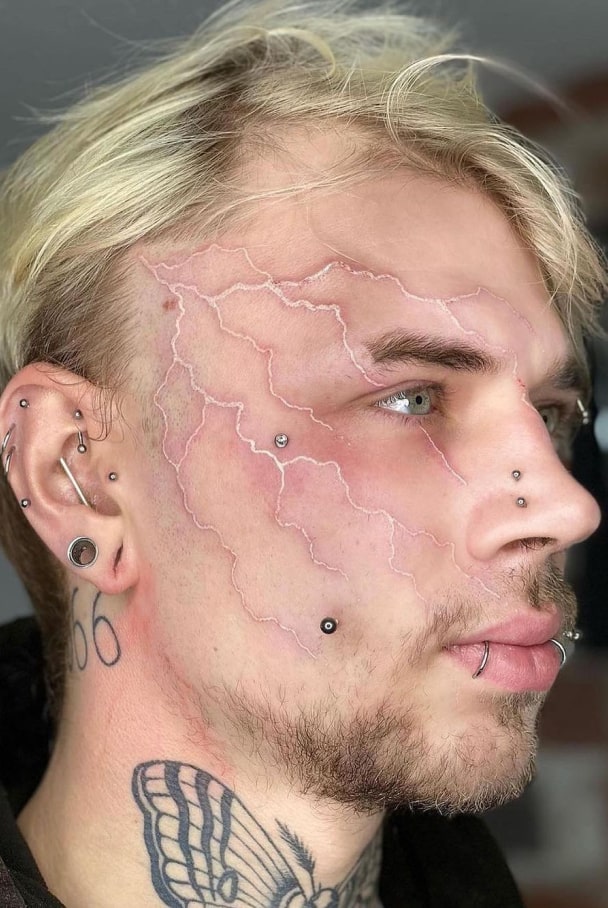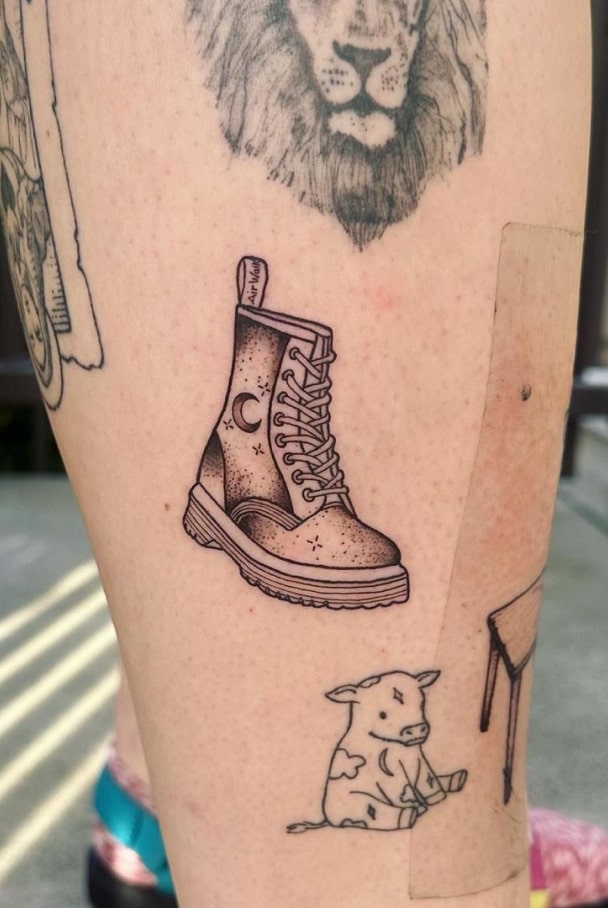


So you've slathered on your numbing cream before your tattoo appointment, got distracted doom-scrolling TikTok, and now you're panicking because it's been on way longer than the instructions said.
→ Shop TNC: TNC Tattoo Numbing Cream | TNC XL Numbing Cream
Deep breath. We're going to break down exactly what happens, what the actual risks are, and how to make sure you're using numbing cream safely — no scare tactics, no BS, just facts.
What Happens If You Leave Numbing Cream On Too Long? (Honest Answer)
How Long Should You Leave Numbing Cream On?
Most quality numbing creams — including TNC's Signature Tattoo Numbing Cream — are designed to be applied 30 to 60 minutes before your tattoo session. The cream needs time to penetrate the outer layer of skin (the epidermis) and reach the nerve endings beneath.
Here's the general timeline:
| Time After Application | What's Happening | |---|---| | 0–15 minutes | Cream sits on the surface, beginning to absorb | | 15–30 minutes | numbing agent starts blocking sodium channels in nerve fibres | | 30–60 minutes | Peak numbness reached — this is your sweet spot | | 60–90 minutes | Still effective, but diminishing returns on absorption | | 90+ minutes | You're in "too long" territory |
The magic window is 30–60 minutes with an occlusive wrap (like cling film) over the top. This is when the active ingredients — typically professional-grade numbing agents — are doing their best work without over-saturating your skin.
What Actually Happens If You Leave It On Too Long?
Let's be real: going 10–15 minutes over isn't going to land you in the emergency room. But there's a sliding scale of what can happen the longer you exceed the recommended time.
Mild (60–90 minutes over)
- Skin blanching — the area may turn pale or white. This is caused by vasoconstriction (blood vessels narrowing from the numbing agent). It's temporary and cosmetic, not dangerous.
- Increased sensitivity when numbing wears off — paradoxically, over-numbed skin can become more sensitive once the effect fades. The nerves essentially "rebound."
- Skin irritation — redness, mild itching, or a slight burning sensation when you remove the cream.
Moderate (2+ hours over)
- Excessive skin softening — prolonged occlusion (keeping the cream wrapped under plastic) makes your skin waterlogged and overly soft. This is the issue tattoo artists hate most. Soggy skin doesn't hold a stencil well, and the needle doesn't penetrate cleanly.
- Stencil problems — if your skin is too hydrated from hours under wrap, the transfer may smudge or wipe off during wiping.
- Reduced tattoo quality — some artists report that over-softened skin takes ink differently. The lines can be less crisp.
- More bleeding — once the vasoconstriction wears off, the rebound effect can cause increased blood flow to the area, making you bleed more during the session.
Serious (applying massive amounts over huge areas for hours)
This is where the regulatory authorities warnings come in — and they're specifically about high-strength, unregulated products applied incorrectly:
- Systemic absorption — numbing agent entering the bloodstream through the skin. Symptoms include dizziness, tinnitus (ringing in ears), metallic taste, or numbness around the mouth and lips.
- Cardiac effects — in extreme cases (massive doses over large areas on broken skin for extended periods), numbing agent can affect heart rhythm. The regulatory authorities has documented cases linked to products containing more than lower-strength applied incorrectly.
- Seizures — extremely rare and associated with unregulated, imported products containing dangerously high concentrations (like some TKTX products the regulatory authorities has warned about).
Why Your Tattoo Artist Cares About This
Even if the health risks of going slightly over time are minimal, your tattoo artist has legitimate concerns about over-numbed skin:
- Skin texture changes — overly soft, waterlogged skin is harder to tattoo cleanly
- Stencil adhesion — the transfer won't stick properly to soggy skin
- Ink saturation — some artists find that heavily numbed skin takes ink inconsistently
- Unpredictable wear-off — if the numbing suddenly stops mid-session, the pain spike can cause the client to flinch unexpectedly
This is why experienced artists prefer clients who follow the recommended application process — not because numbing cream is bad, but because consistency matters for a good tattoo.
If you want to understand more about how artists really feel about numbing cream, check out our guide: Do Tattoo Artists Care If You Use Numbing Cream?
The Science: How numbing agent Works (And Why Timing Matters)
numbing agent — the professional-grade numbing formula hasn't penetrated deep enough. You'll feel partial or no numbness.
- Just right (30–60 minutes): Maximum penetration of the epidermis. Peak nerve-blocking effect.
- Too long (90+ minutes): The skin has absorbed what it can. Extra time doesn't increase numbness — it just softens and irritates the skin.
Think of it like marinating chicken. There's an optimal time window. Going too short means no flavour. Going too long makes it mushy. Same principle.
What to Do If You've Left It On Too Long
Already gone over time? Here's the fix:
- Remove the wrap immediately and wipe off all excess cream with a clean paper towel
- Wash the area gently with mild soap and lukewarm water
- Let the skin breathe for at least 10–15 minutes before your appointment
- Tell your artist — they can assess the skin condition and may wait a few minutes before starting if the skin is too soft
- Don't panic — going 15–30 minutes over isn't dangerous with a reputable product used on a normal-sized tattoo area
If you experience any unusual symptoms like dizziness, heart palpitations, or tingling around your mouth, seek medical attention. But again — this would require extreme misuse, not an extra 20 minutes on a single tube.
How to Get the Timing Right Every Time
Set yourself up for success:
- Set a timer on your phone — apply 60 minutes before your appointment
- Use the right amount — one tube of TNC cream covers approximately 20cm² (about the size of your palm). Don't use half the tube on a small wrist tattoo.
- Wrap properly — use cling film or a non-stick pad to create an occlusive barrier. This helps absorption without over-saturating.
- Coordinate with your artist — ask what time they want you to apply so you arrive at peak numbness
- For long sessions, use a spray top-up — instead of caking on more cream, use a mid-session spray like TNC's Miracle Numb Spray on broken skin during the session. It extends numbing for up to 6 hours total without the pre-application issues.
The Two-Phase Numbing System (Cream + Spray)
One of the biggest reasons people over-apply cream is because they're worried about it wearing off during a long tattoo session. Here's the better approach:
Phase 1: Pre-SessionApply TNC Signature Tattoo Numbing Cream 30–60 minutes before. Wrap with cling film. Remove and wipe clean when your artist is ready.
Phase 2: Mid-SessionWhen the initial numbing starts to fade, your artist can apply TNC's Miracle Numb Spray directly to the broken skin. Unlike most numbing products, this spray is specifically formulated for use on open/broken skin — a major differentiator that means you don't need to overload on pre-session cream.
This two-phase approach gives you up to 6 hours of total numbing without the risks of leaving cream on too long.
Quick Safety Checklist
✅ Apply 30–60 minutes before your session ✅ Use the recommended amount (don't go overboard) ✅ Wrap with cling film or a non-stick pad ✅ Set a phone timer ✅ Remove and clean the area before tattooing starts ✅ Use a reputable product with clearly listed ingredients ✅ Tell your artist you're using numbing cream
❌ Don't leave it on for 2+ hours ❌ Don't apply over massive areas of your body simultaneously ❌ Don't use unregulated imported products with unknown concentrations ❌ Don't reapply multiple layers of cream to "boost" the effect ❌ Don't use numbing cream on broken or irritated skin (use a spray instead)
Related Reading
FAQ: Numbing Cream Timing
Can leaving numbing cream on too long ruin my tattoo?
It won't ruin your tattoo permanently, but it can make the skin too soft for your artist to work with cleanly. This may affect line quality and ink saturation. Follow the 30–60 minute window for best results.
How do I know if numbing cream has been on too long?
Signs include excessively white/pale skin (blanching), skin that feels "waterlogged" or overly soft when you press it, and mild burning or itching when you remove the wrap.
Is 2 hours too long for numbing cream?
For most products, yes. 2 hours significantly exceeds the recommended application time and can lead to skin softening, irritation, and inconsistent numbing. Stick to 30–60 minutes.
Can you die from leaving numbing cream on too long?
Extremely unlikely with proper use of a reputable product on a normal tattoo area. The regulatory authorities's serious warnings relate to unregulated, high-strength products applied over very large areas for extended periods. Follow the instructions and you'll be fine.
Should I apply more numbing cream if the first application wore off?
No. Instead of reapplying cream, use a mid-session numbing spray designed for broken skin. This is safer and more effective for maintaining numbness during long sessions.
The Bottom Line
Leaving numbing cream on a bit too long isn't the end of the world — but it's not ideal. The sweet spot is 30–60 minutes for cream application before your session. Going over by 15–20 minutes? You'll be fine. Going over by 2+ hours? You're risking skin issues that could affect your tattoo quality.
The smarter play for long sessions: use a cream-and-spray combo instead of overloading on cream. Your skin will thank you, your artist will thank you, and your tattoo will look better for it.
Ready to numb up the right way? Shop TNC's Signature Tattoo Numbing Cream — trusted by 500,000+ customers and designed for tattoos specifically. F*CK PAIN.Last updated: April 2026