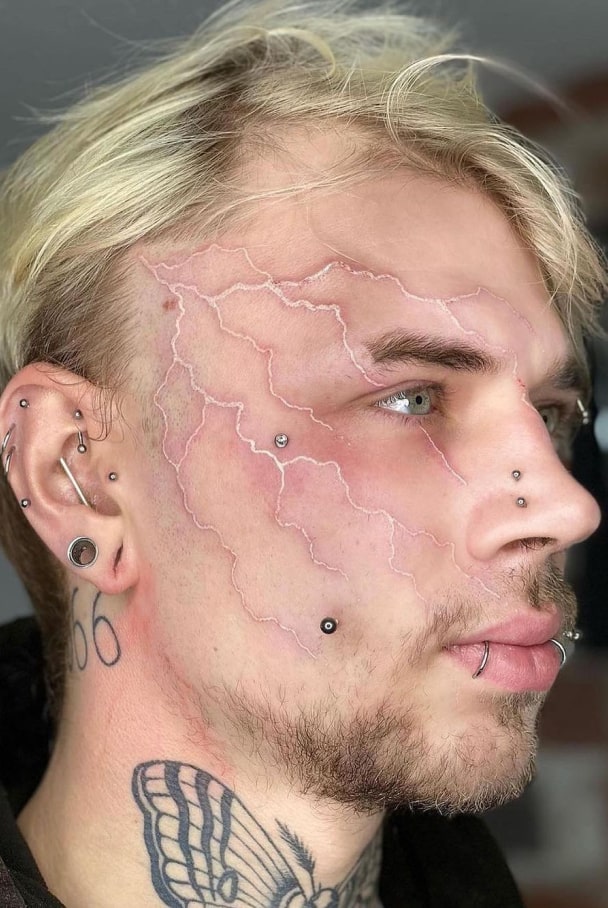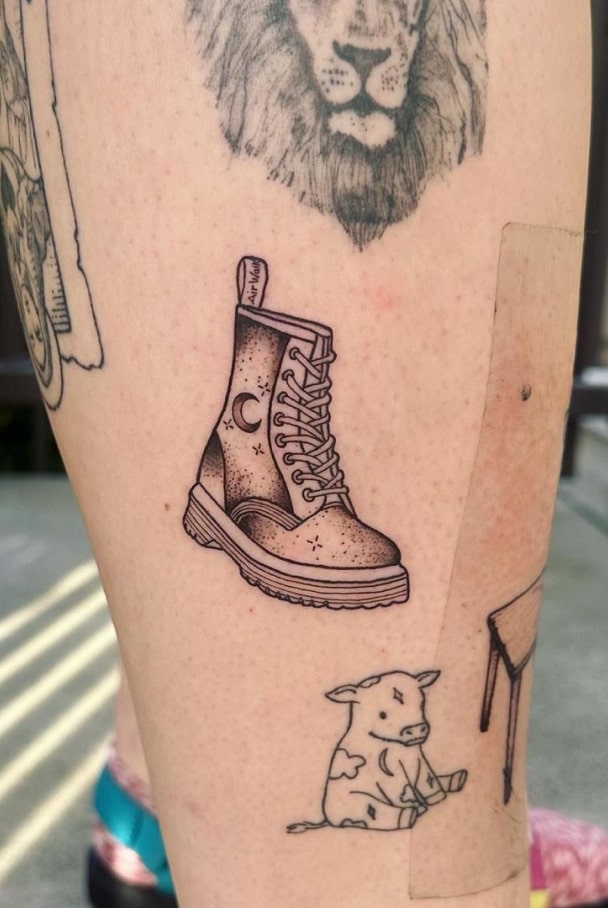


Fine line tattoos have become one of the most requested styles in modern studios, and for good reason. They look delicate, elegant and effortless. If you are drawn to the style, one question usually comes first. Do fine line tattoos hurt less than bold traditional work? The short answer is that they often feel a little gentler, but placement still matters far more than the style itself. Here is the honest, complete picture so you know exactly what to expect before you sit down.
Do fine line tattoos hurt less?
In most cases, yes, fine line tattoos tend to feel slightly less intense than heavy traditional pieces. They are created with thinner needles, often a single needle or a very small grouping, which means less skin trauma with each pass. There is usually no dense colour packing and no heavy shading, so your skin gets an easier ride overall. That said, the sensation is different rather than simply softer. Many people describe fine line work as a light, precise scratch that feels sharp and focused instead of the broad, warm burn of a fully shaded piece.
Why the needle makes a difference
Bold traditional and colour realism styles rely on larger needle groupings that move a lot of pigment into the skin. That extra work creates more heat, more redness and a heavier feeling by the end of a session. Fine line work uses the smallest possible setup to lay down crisp, thin strokes. Less pigment and fewer passes generally translate to a lighter physical experience, especially across a shorter appointment.
What a fine line tattoo actually feels like
Picture the tip of a hot pin tracing a steady line across your skin. That precise, slightly stingy sensation is what most people report with fine line work. Because the needle is so small, you feel the outline sharply, but you avoid the dragging, saturated feeling that comes with solid fills. On forgiving placements, plenty of people find the whole thing surprisingly relaxed. On tender areas, that same precision can read as quite pinchy, so the location you choose still rules the day.
Session length and how it plays in
Fine line tattoos are often small and delicate, which means shorter sessions. A tiny wrist or ankle design might take twenty to forty minutes, while a more detailed fine line piece could run an hour or two. Shorter time in the chair usually means less cumulative soreness, which is another reason the style earns its gentle reputation. Larger fine line work still adds up, though, so do not assume every thin lined design is a quick and painless affair.
Placement still decides most of the pain
Here is the part people forget. The style influences the sensation, but where you place the tattoo influences it far more. A fine line design on the outer forearm will feel mild for almost everyone. That very same design on the ribs, inner wrist or ankle will feel noticeably sharper because the skin is thin and the bone sits close to the surface.
Gentler spots for fine line work
The outer forearm, outer upper arm, outer thigh and calf are all comfortable canvases. They offer more cushioning and sit away from bone, so fine line strokes feel light and manageable. These placements are perfect if this is your first tattoo and you want an easy introduction to the style.
Trickier spots to keep in mind
Ribs, sternum, spine, ankle, foot, inner wrist, elbow and the backs of the arms all turn up the intensity. Fine line work here is absolutely doable and looks stunning, but the delicate needle will feel sharper against thin, nerve rich skin. Go in prepared and the result is well worth it.
Fine line healing and longevity
Fine line tattoos ask for a little extra care once you leave the studio. Because the lines are so thin, they can be less forgiving over the years if aftercare slips. Delicate strokes are more prone to softening or fading if the skin is not looked after, especially with sun exposure. The good news is that a solid healing routine keeps them looking crisp and clean for far longer.
Simple aftercare that protects the detail
Keep the area clean, avoid soaking it, and moisturise lightly with a product made for fresh ink. Stay out of direct sun while it heals, and keep the skin protected long term once it settles. Because fine line detail is so precise, gentle consistent care is what preserves those sharp edges and keeps the design from blurring as time goes on.
How to make your fine line session easier
Even a gentle style feels better when you prepare properly. A few simple habits make a real difference to how you cope in the chair.
Eat a proper meal before your appointment so your energy stays steady. Drink plenty of water in the days leading up, and get a good night of sleep so your body handles the session with ease. Breathe slowly and evenly rather than tensing up, and speak with your artist about a short break if you need one. These small moves keep you calm and comfortable from start to finish.
For the sharper placements, the single most effective step is a quality numbing cream applied before you begin. It takes the edge off thin, sensitive skin so you can relax and let your artist focus on those crisp, delicate lines. You can browse our numbing range and healing essentials in our full collection here, where you will find everything you need for a calmer session and a cleaner heal.
Frequently asked questions
Are fine line tattoos less painful than traditional tattoos?
Generally yes. Fine line work uses thinner needles and skips heavy colour packing, so it usually feels lighter than bold traditional pieces. The sensation is a sharp, precise scratch rather than a broad burn, and placement still plays the biggest role in how much you feel.
Do fine line tattoos fade faster?
They can, because the lines are so thin. Without good aftercare and sun protection, delicate strokes may soften over time. With a consistent healing routine and long term sun care, fine line tattoos hold up beautifully for years.
Can I use numbing cream for a fine line tattoo?
Yes. Numbing cream is a great choice, especially on tender placements like the wrist, ribs or ankle. Applied before your session, it calms the skin so the fine detail feels far more comfortable to sit through.
How long does a fine line tattoo take?
A small, simple fine line design often takes twenty to forty minutes. More detailed pieces can run one to two hours. Because many fine line tattoos are small, sessions tend to be shorter, which adds to the gentler reputation of the style.
The bottom line
Fine line tattoos usually feel a touch easier than heavy traditional work thanks to their thin needles and lighter approach, but the placement you choose still shapes the experience the most. Pick a forgiving spot for your first delicate piece, prepare well, and lean on a good numbing cream for the tender areas. Do that, and you will sit through your fine line session in comfort and walk away with clean, elegant lines you love. Ready to plan yours? Explore our numbing and aftercare essentials in the TNC collection and set yourself up for a smoother, calmer session.