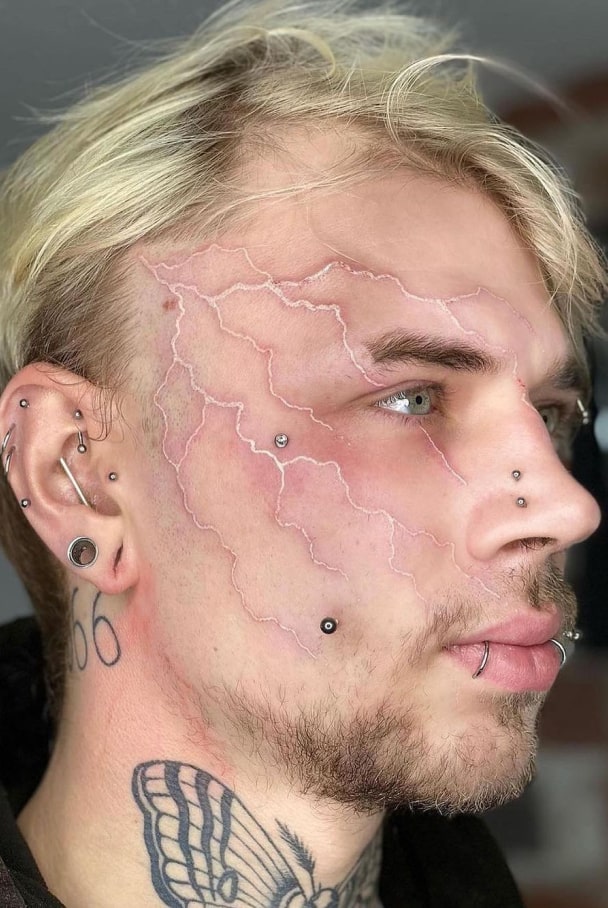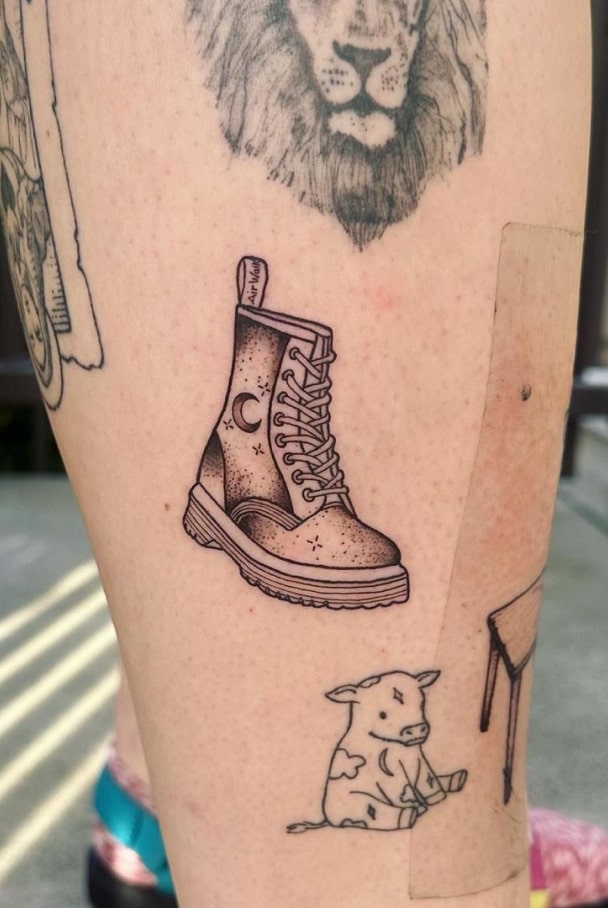


Tattoo pain isn’t what scares most people.
It’s the question that comes after.
→ Shop TNC: TNC Tattoo Numbing Cream | TNC XL Numbing Cream
How long is this going to hurt?
Am I going to be sore for days?
Is it normal if it still hurts tomorrow?
If you’re asking that, you’re not weak. You’re being realistic.
This guide breaks down exactly how long tattoo pain lasts, from the first needle hit to full healing, so you know what’s normal, what isn’t and when you can stop worrying.
No horror stories. No tough guy nonsense. Just clear answers.
Before we go deep, here’s the short version:
-
During the tattoo: Sharp, consistent pain that varies by placement
-
Immediately after: Hot, tender, sunburn-like pain
-
First 24 to 48 hours: Soreness and swelling
-
Days 3 to 7: Itch replaces pain
-
Weeks 2 to 4: Sensitivity fades
-
4 to 6 weeks: Pain should be gone completely
Now let’s break it down properly.
During the Tattoo Session
This is the pain everyone talks about.
Tattoo pain during the session is usually described as:
-
Sharp
-
Scratching
-
Burning
-
Vibrating
How intense it feels depends on:
-
Body part
-
Session length
-
Artist technique
-
Your stress and fatigue levels
The important thing to understand is tattoo pain is consistent, not escalating.
It doesn’t usually get worse and worse. What happens instead is mental fatigue. The sensation stays the same but your tolerance drops the longer you sit.
That’s why long sessions feel harder than short ones, even on the same body part.
Immediately After the Tattoo (First 2–6 Hours)
Once the machine stops, the pain changes.
Most people describe this phase as:
-
Hot
-
Tight
-
Throbbing
-
Similar to a bad sunburn
This is completely normal. Your skin has just been traumatised repeatedly. Inflammation kicks in immediately.
You might also feel:
-
Swelling
-
Redness
-
Mild bleeding or oozing
This is peak inflammation time. Pain is still noticeable, but it is very manageable for most people.
The First 24 Hours
This is where people start Googling.
Pain during the first day usually feels like:
-
Deep soreness
-
Tenderness when touched
-
Tight skin
Pain level here is generally lower than during the tattoo, but more constant.
You may notice:
-
Swelling peaking
-
Heat in the area
-
Discomfort when moving if the tattoo crosses joints or muscles
This is still normal tattoo pain after a session. It should not be sharp or stabbing. If it is, that is when you pay attention.
Days 2 to 3: Pain Starts to Fade
For most people, this is when pain noticeably drops off.
What you’ll likely feel:
-
Mild soreness
-
Occasional tenderness
-
Tightness as the skin starts repairing
At this stage:
-
Pain should be improving, not worsening
-
Swelling should be going down
-
The tattoo should not feel hot to the touch
If pain is increasing after day two, that’s not typical and should be monitored.
Days 3 to 7: The Itch Phase
This is where pain mostly disappears and itching takes over.
This phase includes:
-
Flaking
-
Dryness
-
Tight skin
-
Intense itchiness
Important point:
Itching is not pain. It’s a sign of healing.
Most people make mistakes here because the tattoo no longer hurts, so they think it’s “fine.” Over-scratching or over-washing during this phase causes more issues than pain ever did.
Weeks 2 to 4: Sensitivity Lingers
By now:
-
The tattoo looks mostly healed
-
Pain should be gone
-
Sensitivity may remain
This sensitivity can show up as:
-
Mild discomfort when touched
-
Tight feeling during movement
-
Slight tenderness in high-friction areas
This is common with:
-
Large tattoos
-
Areas with thin skin
-
Spots that stretch or bend a lot
Pain at this stage should be minimal to none.
4 to 6 Weeks: Fully Healed Pain-Wise
By this point:
-
Tattoo pain should be completely gone
-
Skin should feel normal
-
No soreness, heat, or tenderness
If pain persists beyond this window, it’s not standard tattoo pain anymore. It’s time to look at other factors.
What Affects How Long Tattoo Pain Lasts
Tattoo pain duration isn’t identical for everyone.
It’s influenced by:
-
Placement (ribs, spine, feet last longer)
-
Tattoo size
-
Session length
-
Your aftercare routine
-
Hydration and sleep
-
Stress levels
People underestimate how much mental stress prolongs discomfort. A tense body heals slower. That’s not motivational talk. That’s physiology.
What’s Normal vs What’s Not
Normal Tattoo Pain:
-
Soreness for 1 to 3 days
-
Tenderness up to a week
-
Sensitivity for a few weeks
-
Itch replacing pain
Not Normal:
-
Sharp or worsening pain after day three
-
Intense heat or spreading redness
-
Severe swelling that doesn’t reduce
-
Pain combined with fever or discharge
If something feels off, trust that instinct.
Can You Reduce How Long Tattoo Pain Lasts?
Yes. And this is where people usually sabotage themselves.
Tattoo pain lasts longer when:
-
You overwork the area
-
You under-hydrate
-
You ignore aftercare
-
You sit for longer than your body can handle
Proper prep, smart session planning, and calm pain management make a massive difference to how long discomfort hangs around.
This isn’t about being tough. It’s about healing efficiently.
Final Thoughts
Tattoo pain is temporary. Confusion and anxiety make it feel longer than it actually is.
For most people, pain:
-
Peaks during the session
-
Drops within 48 hours
-
Is gone within days
-
Fully resolves within weeks
Knowing what’s normal takes away half the fear.
If pain is the only thing holding you back from getting the tattoo you want, the problem usually isn’t pain itself. It’s uncertainty.
And uncertainty is fixable.
How Long Does Tattoo Pain Last?
Related Reading
- How Long Does Numbing Cream Last on a Tattoo? (Complete Guide 2026)
- Do Tattoo Artists Care If You Use Numbing Cream? (The Honest Truth)
- Tattoo Pain Chart for Men: Where Does It Hurt Most? (2026 Guide)
- XL Signature Tattoo Numbing Cream
- Signature Duo Bundle
Frequently Asked Questions
How painful is a tattoo really?
Pain varies by placement, individual tolerance, and session length. Bony areas — ribs, spine, elbows, hands — hurt most. Fleshy areas like the outer arm or thigh are far more manageable.
What is the best way to reduce tattoo pain?
Eat beforehand, stay hydrated, avoid alcohol, and use a quality numbing cream. TNC's numbing cream significantly reduces discomfort for any placement, especially ribs, spine, and hands.
How long does post-tattoo soreness last?
Most people experience soreness similar to a sunburn for 2–5 days after a session. Proper aftercare — keeping the area clean and moisturised — shortens recovery time noticeably.