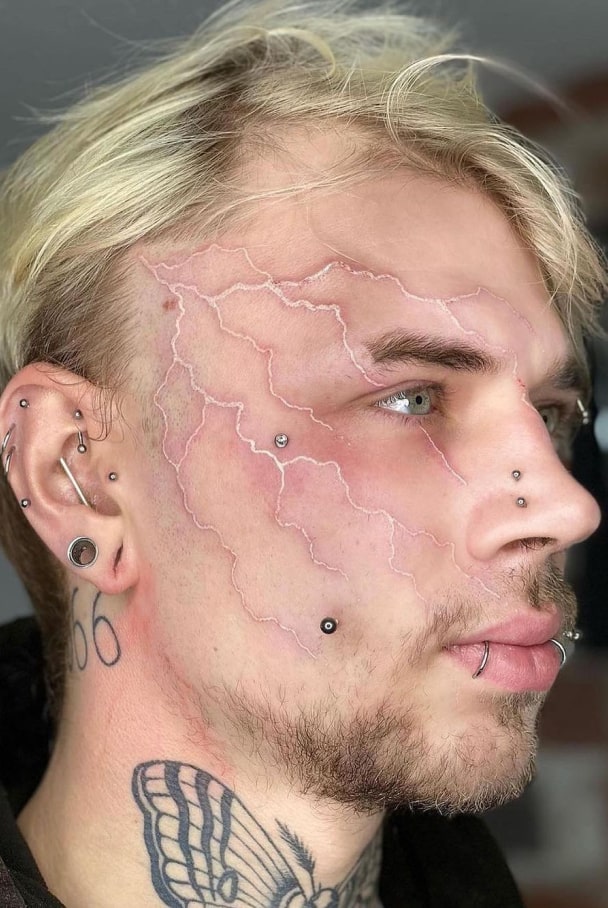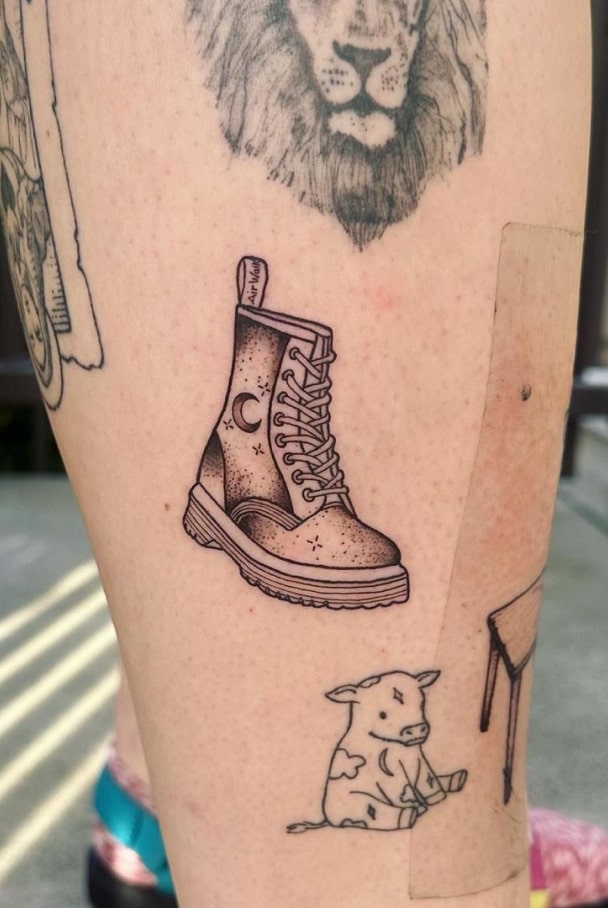


The question every person asks before their first (or next) tattoo: how much is this going to cost me?
→ Shop TNC: TNC Tattoo Numbing Cream | TNC XL Numbing Cream
The honest answer: it depends. But that's a useless answer, so here's the real breakdown of what tattoos cost in 2026 — by size, style, complexity, and where you live. If you're budgeting for a tiny behind-the-ear piece or planning a full sleeve, this guide will give you a realistic price range so you're not blindsided at the counter.
How Much Does a Tattoo Cost in 2026? (Price Guide by Size)
Tattoo Pricing: How It Actually Works
Before we get into specific numbers, you need to understand how tattoo artists charge. There's no universal pricing — every artist sets their own rates. But there are three main pricing structures:
1. Flat Rate / Per-Piece Pricing
Used for small to medium tattoos with a clear scope. You and the artist agree on a total price before the session starts. Most common for pieces that take under 2 hours.
2. Hourly Rate
Used for larger, more complex work where the total time isn't predictable upfront. You pay per hour of tattooing. In 2026, hourly rates typically range from:
- Apprentice / Junior artist: $80–$150/hour
- Mid-level artist: $150–$250/hour
- Senior / specialist artist: $250–$400/hour
- Celebrity / in-demand artist: $400–$1,000+/hour
3. Day Rate
Used for full-day sessions (usually 6-8 hours). Common for large-scale pieces like sleeves, back pieces, or bodysuits. Day rates are often discounted compared to the hourly rate multiplied by hours worked.
Shop Minimums
Almost every studio has a minimum charge — typically $50–$150 in 2026. Even if your tattoo takes 10 minutes, you'll pay the minimum. This covers setup, sterilisation, and supplies.
Tattoo Cost by Size (2026 Averages)
Here's what you can realistically expect to pay in 2026, based on tattoo size:
Tiny Tattoos (Under 2 inches)
Price range: $50–$200Think: a small symbol, initial, word, tiny heart, or matching friendship tattoo. Takes 15-45 minutes. Usually charged at the shop minimum or a flat rate.
Examples: Behind-the-ear dot, finger tattoo, small wrist symbol, tiny ankle pieceSmall Tattoos (2–4 inches)
Price range: $150–$500A step up in detail. These include simple illustrations, small script, birth flower designs, or standalone symbols with some shading. Takes 1-2 hours.
Examples: Palm-sized rose, forearm script quote, small butterfly, compass designMedium Tattoos (4–6 inches)
Price range: $300–$1,000This is where detail and artistry start to really show. Medium tattoos allow for more complex designs with shading, colour, and composition. Takes 2-4 hours.
Examples: Detailed forearm piece, shoulder blade design, calf tattoo with shading, portrait medallionLarge Tattoos (6–12 inches)
Price range: $800–$2,500Large single-piece tattoos that may require multiple sessions. Think half-sleeve coverage, full thigh pieces, or detailed chest panels. Takes 4-8+ hours (often split across 2 sessions).
Examples: Half sleeve, upper back panel, full thigh piece, detailed chest tattooExtra Large / Multi-Session (Full sleeves, back pieces, bodysuits)
Price range: $2,000–$10,000+These are projects, not appointments. Full sleeves typically take 15-30+ hours across multiple sessions. Back pieces and bodysuits can take 40-100+ hours over months or years.
Examples: Full sleeve, full back piece, leg sleeve, chest-to-sleeve wraparound| Size | Typical Range | Average Sessions | Time | |---|---|---|---| | Tiny (under 2") | $50–$200 | 1 | 15-45 min | | Small (2–4") | $150–$500 | 1 | 1-2 hours | | Medium (4–6") | $300–$1,000 | 1-2 | 2-4 hours | | Large (6–12") | $800–$2,500 | 2-3 | 4-8+ hours | | Full Sleeve | $2,000–$6,000+ | 4-8 | 15-30+ hours | | Full Back | $3,000–$10,000+ | 6-12 | 30-60+ hours | | Bodysuit | $10,000–$50,000+ | 20-50+ | 100+ hours |
What Affects the Price?
Two tattoos of the same size can have wildly different prices. Here's why:
1. Style and Complexity
- Simple linework (fine line, minimalist) costs less — faster execution
- Heavy colour / traditional costs more — more ink, more passes, more time
- Realism and portraits cost the most — requires exceptional skill and precision
- Blackout and geometric — large areas of solid fill take time, pricing by the hour
- Watercolour — fewer defined lines but more layering and blending passes
2. Artist Experience and Reputation
An apprentice with 6 months of experience and a world-renowned artist with a 2-year waitlist are not charging the same rate. You're paying for:
- Skill level and portfolio quality
- Consistency and line confidence
- Custom design ability
- Reputation and demand
3. Location / City
Tattoo prices vary significantly by geography:
| Location | Avg. Hourly Rate (2026) | |---|---| | Small town / regional | $100–$150 | | Mid-size city | $150–$200 | | Major metro (Sydney, NYC, LA, London) | $200–$350 | | Premium studio in major city | $300–$500+ |
Australia specifically: Expect $150–$250/hour for experienced artists in Sydney, Melbourne, or Brisbane. Regional areas are $120–$180/hour. Day rates in capital cities typically run $700–$1,500. US: Major cities average $150–$300/hour. Small-town shops may charge $80–$150/hour. UK: London averages £120–£200/hour. Outside London, £80–£150/hour is more common.4. Placement
Some body parts are harder to tattoo and may cost more:
- Ribs, hands, feet, neck — Difficult terrain, slow going (see our rib tattoo pain guide and tattoo pain chart)
- Inner arm, outer arm, thigh — Standard, no premium
- Scalp, palm, inside of lip — Specialty work, fewer artists will do it
5. Custom vs Flash
- Custom design — The artist creates original artwork for you. Costs more due to design time
- Flash tattoo — Pre-designed art the artist has ready. Often discounted or charged at a flat rate
- Flash events / Friday the 13th specials — Many studios offer discounted flash on special days ($50–$100 flat rate for small designs)
Hidden Costs to Budget For
The quoted price isn't always the final number. Factor in:
Tipping
In the US and Australia, tipping your tattoo artist 15-20% is standard practice. On a $500 tattoo, that's an extra $75–$100. Some countries (UK, parts of Europe) don't have a strong tipping culture for tattoos, but it's always appreciated.
Touch-Ups
Most artists offer one free touch-up within a few months of the original tattoo. After that, touch-ups are typically charged at the hourly rate or a reduced flat fee. Fine line and watercolour tattoos are more likely to need touch-ups than bold traditional work.
Deposits
Expect to pay a non-refundable deposit of $50–$200 when booking. This secures your appointment and usually goes toward the total cost. If you cancel or no-show, you lose it.
Design Fees
Some artists charge a separate design fee for custom work, especially complex pieces. This ranges from $50–$300+ depending on the scope. Others include design time in their overall quote.
Multiple Sessions
If your tattoo requires multiple sessions, you'll often pay per session (typically a day rate or hourly). The total cost is the sum of all sessions, not a lump sum upfront.
How to Save Money (Without Sacrificing Quality)
Let's be clear: never choose a tattoo artist based on price alone. This is something permanent on your body. But there are smart ways to manage costs:
- Book flash designs — Pre-drawn designs cost less because there's no custom design time
- Go simple — Fewer colours, less detail = less time = lower cost
- Choose less popular placements — Forearm and upper arm are straightforward; ribs and fingers are harder and slower
- Book a newer artist — Apprentices and artists building their portfolio often charge significantly less. Check their work carefully
- Take advantage of flash events — Many studios hold monthly flash days with discounted rates
- Don't skip the deposit — Losing a deposit to a no-show is wasted money. Show up
- Get it right the first time — Aftercare matters. A properly healed tattoo doesn't need expensive touch-ups. Follow our Tattoo Healing Stages Guide for the full healing timeline
Is the Pain Worth the Price?
Here's the thing nobody talks about in pricing guides: pain affects the experience and potentially the outcome. When you're flinching, the artist slows down. When the artist slows down, the session takes longer. When the session takes longer, you pay more. Our guide on how to prepare for a tattoo covers everything you can do in the 24 hours before your appointment to make the session smoother (and potentially shorter).
Going in comfortable isn't just about managing pain — it's about getting better results in less time.
TNC's Signature Tattoo Numbing Cream costs around $42 — a fraction of even a small tattoo's price — and gives you 3-4 hours of effective numbing. For longer sessions, the Miracle Numb Spray extends that to 6 hours with mid-session top-ups.Less flinching = cleaner lines = fewer touch-ups = better value from every dollar you spend on your tattoo.
Not sure about numbing cream? Read Do Tattoo Artists Care If You Use Numbing Cream? — spoiler: most don't mind at all.
What About "Cheap" Tattoos?
If someone's offering a full sleeve for $200, run. Here's why rock-bottom prices should raise red flags:
- Unsterilised equipment — Proper sterilisation costs money. If the price seems too good, the hygiene might be too bad
- Cheap ink — Lower-quality inks can cause allergic reactions, fade faster, or contain harmful chemicals
- No experience — Everyone has to start somewhere, but you don't want to be someone's first attempt at a portrait
- No aftercare guidance — A good artist talks you through healing. A cheap one takes your money and moves on
The recent Daily Mail story about an unlicensed UK tattooist whose client died from sepsis is an extreme example — but it reinforces why choosing a reputable, licensed studio matters more than saving a few dollars.
Always check:
- The artist's portfolio (not just their Instagram highlights)
- Studio cleanliness and licensing
- Reviews from real clients
- That they use new, sealed needles and quality ink for every client
Related Reading
FAQ: Tattoo Costs
How much does a small wrist tattoo cost?A small wrist tattoo (1-3 inches) typically costs between $50 and $300 in 2026, depending on the design complexity and the artist's rate. Simple text or symbols will be at the lower end; detailed illustrations with shading or colour will cost more. Most studios have a minimum charge of $50-$150 regardless of size.
Why do tattoo artists charge so much per hour?Tattoo pricing covers more than just the time the needle is on your skin. Artists factor in custom design time, setup and teardown (30-60 minutes per session), sterilisation supplies, quality inks and needles (single-use), studio rent, insurance, licensing fees, and years of training and skill development. A $200/hour rate is standard for experienced artists in major cities.
How much should I tip my tattoo artist?In the US and Australia, 15-20% of the total cost is standard for good work. For exceptional work or particularly difficult sessions, 20-25% is generous. Cash tips are preferred by most artists. Tipping is less expected in some European countries but always appreciated.
Do bigger tattoos cost less per square inch?Generally yes — larger pieces often work out cheaper per square inch because much of the cost is in setup, design, and initial outlining. Once the artist is working, filling larger areas with shading or colour is faster per unit of area than creating small, detailed pieces. Day rates for full-day sessions often represent good value for larger work.
Can I negotiate tattoo prices?Most artists set their rates firmly and negotiating is considered disrespectful to their craft. However, you can discuss the scope of the design to fit your budget — simplifying the design, reducing colours, or choosing a smaller size. Flash designs and off-peak booking may also offer better value.
Planning your first tattoo and want to know everything beyond just cost? Check out our First Tattoo Checklist — it covers everything from choosing an artist to aftercare.