

The Tattoo Pain Scale: Every Body Part Ranked
From Tattoo Numbing Cream Co.---
→ Shop TNC: TNC Tattoo Numbing Cream | TNC XL Numbing Cream
Everyone's heard the ribs speech. First-timer walks in, says they want ribs, experienced tattooed person sighs and says "are you sure?"
Ribs are bad. But they're not the worst. Not even close.
Here's the full honest breakdown — every major placement, ranked by what it actually feels like. No sugar coating.
---
How We Rank It
1 - Easy. You'll barely notice. 2 - Noticeable. Sting, some discomfort. Fine for most people. 3 - Moderate. You'll feel it. Breaks help. First-timers may be surprised. 4 - Tough. Painful. Extended sessions here are a serious commitment. 5 - Brutal. The kind that makes experienced people reconsider their choices.
---
The Full Body Map
Upper Body
Outer upper arm: 1-2 The classic starter placement. Fleshy, not much going on underneath. Most people are surprised by how manageable it is. Great for big pieces because you can go long.
Inner upper arm: 3 Softer skin, more nerve endings than the outer arm. Not brutal, but noticeably more sensitive. Gets uncomfortable in longer sessions.
Outer forearm: 1-2 Another good beginner zone. Solid muscle and skin coverage. The lines sit well here and it heals cleanly.
Inner forearm: 3 More sensitive than the outer. The skin is thinner and there are veins and tendons closer to the surface. Not everyone has the same experience here — can range from manageable to rough depending on your build.
Wrist: 3-4 Bony, thin-skinned, lots of tendons. The vibration goes straight to the bone. Small pieces are okay. Anything extended here gets uncomfortable fast.
Hand and fingers: 4-5 This is where it starts getting serious. Thin skin, bones directly underneath, highly sensitive nerve endings everywhere. Artists will tell you hands and fingers also heal poorly and often need touch-ups — which means going through it again.
Elbow ditch (inner elbow): 4 The crease of the inner elbow is one of the spots people don't see coming. Sensitive skin, awkward position, and the needle hitting the soft tissue over the joint is genuinely unpleasant.
Outer elbow / elbow cap: 4-5 Directly on bone. Vibration is intense. Most people find this one genuinely difficult.
Shoulder (top): 2 Good muscle coverage. Usually fine. The curve of the shoulder can make it awkward for the artist, but pain-wise it's not a problem area for most people.
Chest (pec area): 2-3 Meaty enough to be manageable, but gets trickier as you move toward the sternum. Outer chest is fine. Moving inward changes things quickly.
Sternum: 4-5 Bone. Directly. Under. The. Needle. The sternum tattoo is one of those placements that filters out the "I thought I wanted this" crowd. The vibration, the pressure on the bone, and the awkward position all combine. Worth it for the right piece — but go in knowing what you're signing up for.
Ribs: 4-5 The famous one. The skin is thin, there's no muscle buffer, you can feel the needle on bone, and breathing makes the skin move while the artist is trying to work. Long sessions here are a genuine test. It's also one of the most popular placements, which is why so many people have a rib tattoo story.
Armpit: 5 Not common, but if you've seen it, you know. The armpit is full of nerve endings, glands, and sensitive tissue. This is genuinely one of the most painful spots on the body. Most artists won't touch it unless you're committed.
---
Lower Body
Outer thigh: 1-2 The other classic beginner placement. Lots of muscle, thick skin, good for large pieces. Most people find this surprisingly comfortable.
Inner thigh: 4 Different animal entirely from the outer thigh. The skin is thinner and far more sensitive. The inner thigh also tends to heal differently and needs careful aftercare. Not the worst, but a significant step up from the outer.
Back of knee (knee ditch): 4-5 One of the most underestimated painful spots. The skin is thin, it's constantly moving and flexing, and the nerve density is high. Healing is also difficult because of the constant movement.
Kneecap / shin: 5 Shin is bone. Kneecap is bone covered in thin skin. Both are rough. The vibration from the needle hitting the tibia goes up your whole leg. People with shin tattoos have earned their stripes.
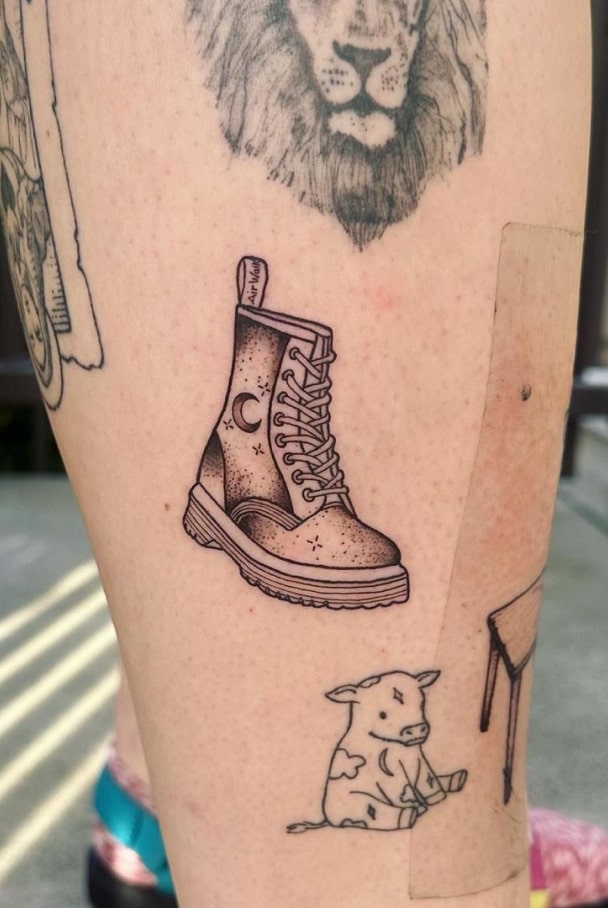
Calf: 2-3 Good muscle coverage, not particularly sensitive. Fine for most people. Gets harder as you move toward the back of the leg.
Foot and toes: 4-5 Similar to hands. Thin skin, bone everywhere, highly sensitive, and notoriously difficult to heal. Foot tattoos often fade and need touch-ups. The toe knuckles in particular are rough.
Hip / hip bone: 3-4 The fleshy part of the hip is fine. The hip bone and iliac crest area is a different story — bony, sensitive, and prone to tickling that edges into pain.
---
Back and Neck
Upper back / shoulder blades: 2 Good muscle coverage, thick skin. One of the more comfortable zones for large pieces. Back pieces often start here.
Mid and lower back: 2-3 Generally manageable. Gets harder as you approach the spine.
Spine: 5 The spine is where every vibration goes. It's also psychologically intense — the needle directly over vertebrae. People who've done it describe it as a uniquely unpleasant sensation. Not just pain — more like deep bone vibration that your body really doesn't like.
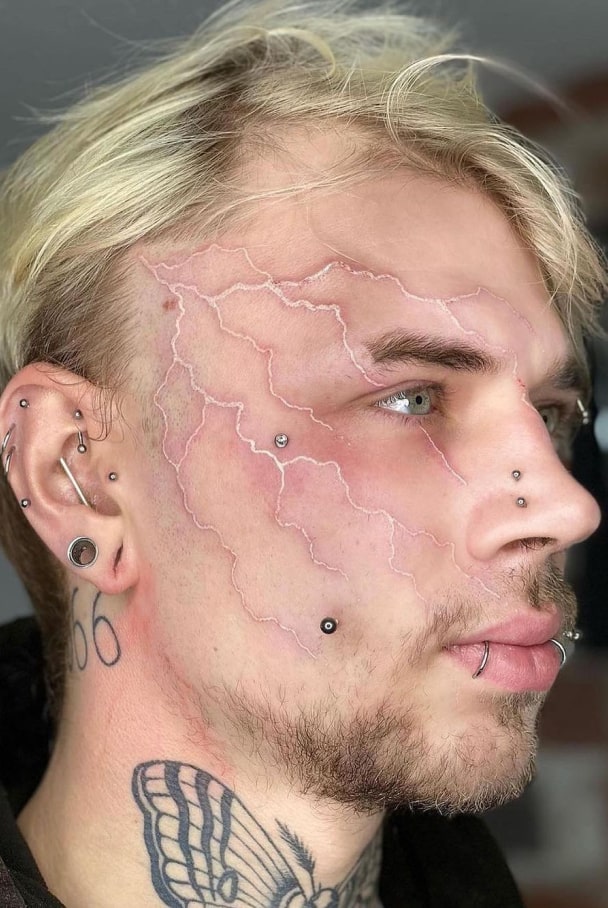
Neck (side): 3-4 Sensitive skin, lots of movement, some people find it ticklish in a way that's hard to manage. The throat area is significantly worse.
Back of neck: 4 Close to the skull, lots of tendons and nerve density. Gets intense quickly in longer sessions.
Behind the ear: 4-5 Small area, very sensitive, close to bone. Often done in short bursts because it's hard to sit through for long.
---
The Bottom Line
The most painful spots tend to have one or more of these:
- Thin skin with minimal fat or muscle underneath
- Bone directly below
- High nerve density
- Awkward body position that makes the artist's job harder
- Constant movement (knees, elbows, wrists)
The least painful spots have thick skin, good muscle coverage, and minimal bone involvement.
Pain is also personal. Your nervous system, your anxiety level, your sleep the night before, how much you've eaten — all of it affects how you experience a session. Two people can have completely different experiences in the same spot.
---
Taking the Edge Off
Wherever you're getting tattooed — if you're worried about pain, preparation makes a real difference. Eating beforehand, sleeping properly, staying hydrated, and using numbing cream on the rougher placements all stack up.
[Shop the TNC range] — we've got you covered for the brutal ones.
---
Tattoo Numbing Cream Co. | F\CK PAIN*
Ready to take the edge off your next session?
Shop Tattoo Numbing Cream Co. →
Frequently Asked Questions
How painful is a tattoo really?
Pain varies by placement, individual tolerance, and session length. Bony areas — ribs, spine, elbows, hands — hurt most. Fleshy areas like the outer arm or thigh are far more manageable.
What is the best way to reduce tattoo pain?
Eat beforehand, stay hydrated, avoid alcohol, and use a quality numbing cream. TNC's numbing cream significantly reduces discomfort for any placement, especially ribs, spine, and hands.
How long does post-tattoo soreness last?
Most people experience soreness similar to a sunburn for 2–5 days after a session. Proper aftercare — keeping the area clean and moisturised — shortens recovery time noticeably.