

The Complete Guide to Patchwork Sleeve Tattoos: Pain, Prep & Numbing (2026)
Patchwork sleeves are having their moment.
Scroll through TikTok, Instagram, Pinterest — they're everywhere. The deliberately unconnected collection of individual pieces, each with its own framing, no cohesive background fill, gaps of skin between them. It looks effortless. Like a living scrapbook.
It's also one of the most interesting challenges in tattoo pain management, because patchwork sleeves aren't a single appointment. They're a project. Months or years of individual sessions, building up a cohesive sleeve one piece at a time.
This guide covers everything: what patchwork sleeves actually are, how they work, the pain reality, how to manage multi-session projects effectively, and why numbing cream is the smart choice for this style specifically.
What Is a Patchwork Sleeve?
A traditional sleeve tattoo fills the arm with connected imagery and background — a continuous, cohesive piece from shoulder to wrist. A patchwork sleeve is the opposite philosophy.
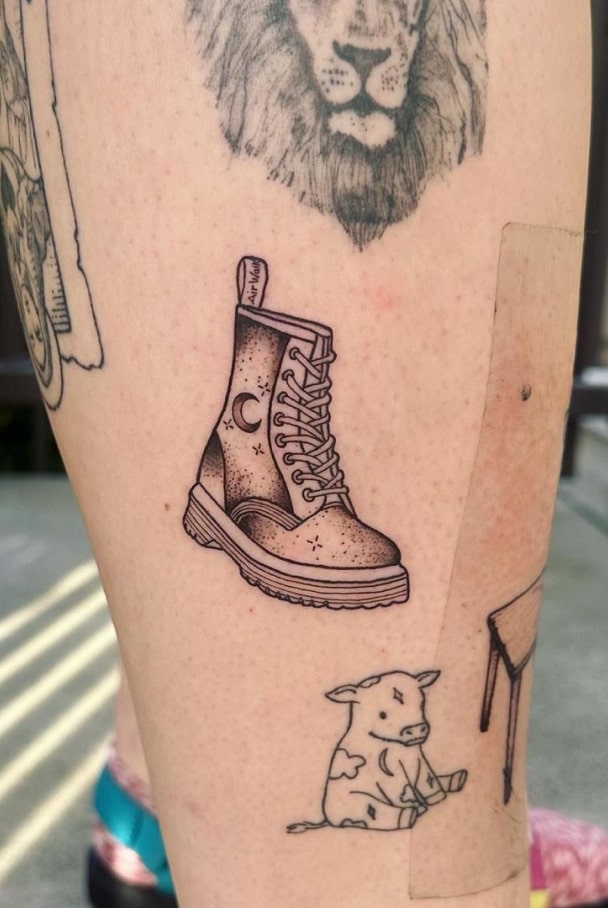
Individual pieces — each with their own style, framing, and meaning — sit on the arm with visible skin (negative space) between them. Over time, more pieces fill in. You might never complete it. That's often the point.
Common styles you'll see in patchwork:- Traditional American — bold outlines, solid fills, iconic imagery
- Blackwork / neo-traditional — strong graphic elements, heavy black
- Fine line — delicate, minimal pieces interspersed with bolder ones
- Flash art — small traditional pieces collected over time
- Mixed style — deliberately varied, which is part of the aesthetic
The Pain Reality: Why Patchwork Is Complicated
Here's what nobody tells you about patchwork sleeves and pain.
They're both easier and harder than traditional sleeves, and it depends entirely on the session.
Why Each Session Can Hurt More Than You Expect
Each individual patchwork session is typically focused on a specific piece in a specific area. That's good — sessions are shorter. But it's also variable, because arm placement pain varies enormously by zone.
High pain areas on the arm:- Inner elbow (elbow ditch) — extremely sensitive, thin skin over veins and nerves
- Inner wrist — thin skin, tendons, veins close to surface
- Inner upper arm (bicep facing) — sensitive skin, often not well-padded
- Outer upper arm — thicker skin, less nerve density
- Outer forearm — most people find this manageable
- Outer elbow — surprising, but the bony outer elbow is less painful than the inner ditch
The Cumulative Effect
One thing patchwork does differently to traditional sleeves: the accumulated sensitivity of returning to a healing arm.
When you're adding a new piece near healed work, the surrounding healed tattoos aren't painful. But the fresh area is. And if you're adding pieces close together, sometimes the new session irritates areas that are still sub-clinically healing.
This is less of an issue if you space sessions out properly (more on that below), but it's worth knowing: your arm's baseline sensitivity changes as the tattoo collection grows.
How Many Sessions Does a Patchwork Sleeve Take?
There's no definitive answer, because patchwork sleeves are never truly "done" unless you choose to call them done. But here's a rough framework:
Small pieces (1-4 hours each):- A half sleeve (shoulder to elbow) might take 8–15 individual pieces
- Each piece at 1–3 hours = 10–40 hours of tattooing total for a half sleeve
- At one session per 4–8 weeks, that's 1–3 years
- Some patchwork sleeves include 1-2 larger anchor pieces (quarter sleeve scale or larger) surrounded by smaller flash
- These change the math considerably
Session Planning: How to Build Effectively
Spacing Between Sessions
The rule for any new tattoo is: let it surface-heal before exposing it to any additional trauma. Surface healing (peeling, flaking phase) takes 2–3 weeks. For most people, 4–6 weeks minimum between sessions on the same arm is right.
Why? Because:
- The skin needs to settle before a needle goes near it again
- Your artist needs to see the healed result to plan the next piece's placement
- Your immune system needs a break from sustained healing work
Can you do both arms simultaneously? Yes — completely different location, so they heal independently. Some people build both arms at once to reduce total calendar time.
Working With Negative Space
One of the art of patchwork is managing the negative space — the skin between pieces. This is part of the design. But it also means your artist needs to think about:
- Framing — how each piece is bordered (or not) to sit cleanly in isolation
- Future pieces — leaving enough space for new additions without creating awkward placements
- Eventual fill decision — some patchwork sleeves eventually get a light background fill to unify; plan for this possibility from the start
Work with an artist who has done patchwork sleeves before. This is not the same skill set as traditional sleeve planning.
The Artist Relationship
Patchwork sleeves work best when you have a consistent artist for the majority of pieces — or at least an artist who understands what you're building and helps you plan. Mix-and-match artists can work (some people collect pieces from multiple artists deliberately), but you need someone to be the curator of the overall vision.
Book a consultation before starting. Map out roughly where you want pieces to eventually land. You don't need to commit to designs — just zones.
Numbing Cream for Patchwork Sleeves: The Strategic Advantage
Here's why numbing cream matters more for patchwork than almost any other tattoo project.
1. You're Doing This Dozens of Times
A full patchwork sleeve involves 10-20+ separate tattooing sessions over years. Every session is a pain experience that will either discourage or encourage you to continue building.
If sessions are consistently brutal — particularly as you reach harder areas like the inner arm and elbow ditch — you might put the project on hold indefinitely. The sleeve never gets finished.
Numbing cream keeps the barrier low. Sessions that would otherwise be difficult become manageable. You keep booking. The sleeve keeps growing.
2. Hard Areas Become Achievable
The inner elbow and inner wrist are where patchwork sleeves often stall. People happily collect outer arm pieces for years but flinch away from committing to the inner arm.
With numbing cream, these areas are still uncomfortable — but they're workable. You expand the available canvas.
3. Multi-Session Protocols
For patchwork, you rarely need to think about the two-phase cream-and-spray approach that's ideal for sleeves. Most individual patchwork sessions are short enough (1-3 hours) that a good cream application covers the window.
Protocol for patchwork sessions (1-3 hours):- Apply Signature Tattoo Numbing Cream 5% active numbing agent Cream to the target area 60–90 minutes before your session
- Cover with cling film (occlusive wrap) — this is essential
- Remove, wipe clean, and proceed with tattooing
- Numbing typically lasts 1.5–2.5 hours from when the needle touches skin
- For sessions running longer, Miracle Numb Spray on broken skin extends the window
- Apply cream as above for the first area
- If the session moves to a second area, apply cream to that area at the start of the session so it's ready when the artist moves over
See our complete guide to numbing cream for sleeve tattoos for the full multi-zone protocol.
4. Artist Relationship Factor
One concern some people raise: will my artist mind if I use numbing cream? For patchwork — where you're building a long-term relationship with your artist across multiple sessions — this conversation is worth having.
Most experienced artists are fine with numbing cream on intact skin (cream applied before the session). The main artist concern is the "spongy skin" effect, which happens more with multi-active high-concentration creams than with single-active 5% active numbing agent.
Signature Tattoo Numbing Cream (single-active 5% active numbing agent) minimises this effect. When talking to your artist, mention that you're using a single-active 5% active numbing agent product — not a high-strength multi-drug formula. Most artists' concerns drop significantly when they understand the distinction.See: Does Numbing Cream Make Skin Spongy? What Artists Actually Say
Pain Scale by Arm Zone (Patchwork Map)
Here's a realistic pain guide for the main zones where patchwork pieces land:
| Zone | Pain Level | Notes | |---|---|---| | Outer upper arm (shoulder-bicep) | 3-4/10 | Most people start here. Easiest zone on the arm. | | Outer forearm | 4/10 | Consistent, manageable. Popular patchwork territory. | | Inner forearm | 5-6/10 | More sensitive. Softer skin, thinner. | | Inner upper arm | 6-7/10 | Noticeably more painful. Less common but can't be avoided for full coverage. | | Outer elbow | 5/10 | Bony but less painful than its reputation. | | Inner elbow (elbow ditch) | 8-9/10 | This is where patchwork sleeves get difficult. High nerve density, thin skin over veins. Numbing cream makes a material difference here. | | Wrist (outer) | 5-6/10 | Manageable, though bony. | | Wrist (inner) | 6-7/10 | More sensitive. | | Hand/knuckles | 8-9/10 | Not always part of patchwork but worth noting: extremely painful, poor ink retention. |
Recommendation: Plan your hardest pieces for when you're most committed to the project — not first. Build momentum on easier zones, then tackle the ditch and inner arm once you're invested.Aftercare for Patchwork Sessions
Patchwork aftercare follows the same protocol as any tattoo. But there are patchwork-specific considerations:
Protecting existing healed pieces during new sessions:- Fresh tattoo session sitting close to healed pieces is fine — healed tattoos aren't damaged by proximity
- The fresh area needs normal aftercare. Healed pieces may have temporary redness from the inflammation nearby — this is normal
- Itching and peeling (normal, 3-7 days post-session)
- Raised texture in some areas (normal for several months)
- Fading — patchwork pieces on high-movement zones (inside wrist, fingers) may require touch-ups sooner
See: Fine Line Tattoo Aftercare: Why It's Different (relevant if your patchwork includes fine line pieces).
Frequently Asked Questions
How do I start a patchwork sleeve?
Start with an idea, not a plan. Know roughly that you want a patchwork sleeve, book a consultation with an artist who has a portfolio of patchwork work, and discuss general placement mapping. You don't need to decide what every piece will be — just where you want to build. Most artists will suggest starting with 1-2 anchor pieces in prominent positions, then filling around them.
Can you mix tattoo styles in a patchwork sleeve?
Yes — this is actually part of the patchwork aesthetic. The variety of styles reads as intentional rather than inconsistent. Traditional American, blackwork, fine line, and neo-traditional pieces can all live on the same arm. Sticking to a limited colour palette (all black and grey, or predominantly black with selective pops of colour) helps cohesion even with mixed styles.
Does patchwork hurt more than a traditional sleeve?
Each individual session is typically shorter and therefore more manageable than a long traditional sleeve session. But patchwork involves more sessions and eventually requires working in all the same zones (including painful inner arm areas) that a traditional sleeve does. Total pain experience over the life of the project is similar; it's just spread out over more sessions.
How much does a patchwork sleeve cost?
Each piece is priced individually. Small pieces (1-2 hours) at typical studio rates ($150-$300/hour) run $150-$600. A full patchwork sleeve with 15-20 small-medium pieces could cost $3,000-$8,000+ over the project's lifetime. Because it's built over time, the cost is spread across months or years.
Can I use numbing cream for every patchwork session?
Yes. There's no reason not to use numbing cream for every session, particularly for inner arm and inner elbow pieces. Single-active 5% active numbing agent (like Signature Tattoo Numbing Cream) is safe for regular use. Apply correctly, 60-90 minutes before each session, with occlusive wrap.
Ready to Start Building?
Patchwork is a long game. That's the beauty of it. It evolves with you.
But the biggest barrier to building a great patchwork sleeve isn't pain — it's stalling out after a few difficult sessions. Remove that barrier.
→ Easy Heal Tattoo Balm — post-session recovery between sessions → Miracle Numb Spray — mid-session on broken skin → Signature Duo Bundle — cream + spray together (best value for multi-session projects)