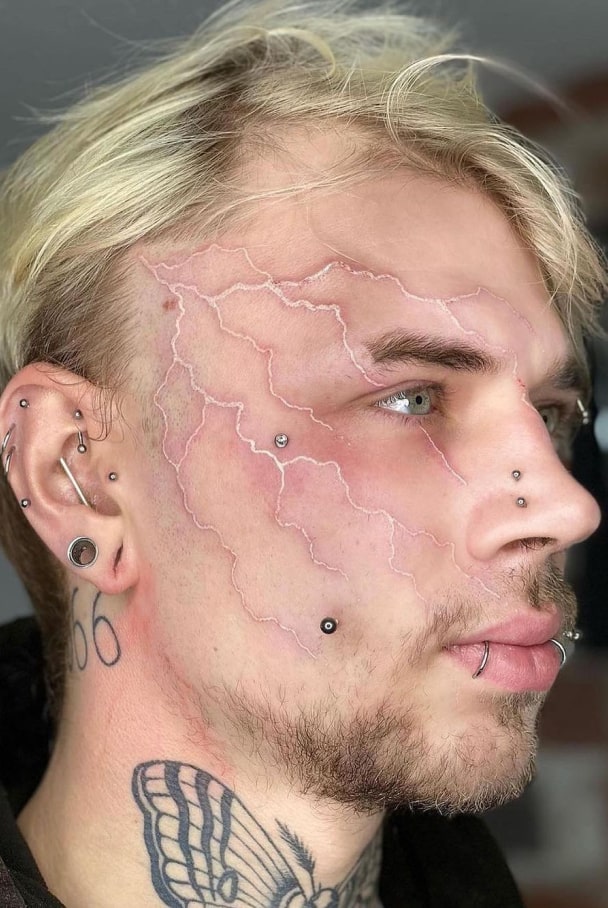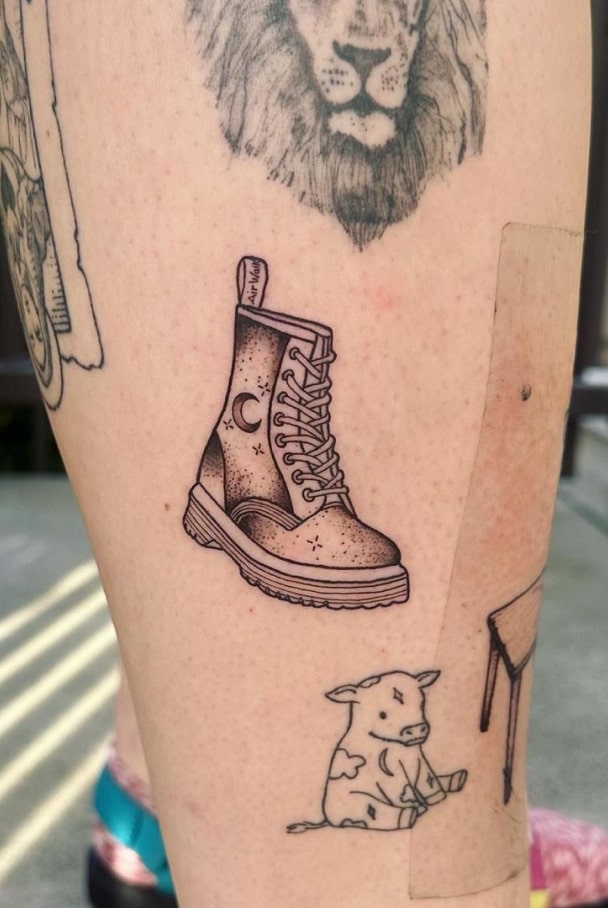


The chest has always been a powerhouse placement, the kind of spot people choose when they want a tattoo to mean something. It gives you a broad, bold canvas, and it suits everything from a small piece over the collar to a full plate across the whole chest. Before you commit, the question on everyone's mind is the same: how much does a chest tattoo really hurt? The honest answer is that it varies a lot, from genuinely gentle in the fuller outer areas to seriously demanding over bone. Knowing the map before you sit down is what turns a daunting idea into a day you can plan for.
Here is a straight look at how a chest tattoo actually feels, which zones stay calm and which ask the most of you, and the simple habits that keep the session steadier.
Do chest tattoos hurt a lot?
Short answer: it depends heavily on where you place it. The chest is a mixed bag rather than a single rating. Over the softer, fuller outer areas it sits in the mild to moderate range, and plenty of people find those stretches relaxed. Move toward the centre, the collarbone, or the sternum, and it climbs quickly into the sharp and demanding end of the scale.
The reason is what sits beneath the skin. Where you have a cushion of soft tissue over the outer chest, the needle has something forgiving to work against. Over the breastbone and collarbone the skin stretches thinly across hard bone with very little padding, and that is where a chest tattoo earns its tough reputation. So the same piece can feel almost easy on the outer chest and genuinely fierce as it crosses the centre.
The chest, zone by zone
1. The outer and upper chest
This is the friendlier part of the ride. The fuller outer chest and the broad upper area near the shoulder carry more softness, so they sit in the mild to moderate range for most people. Expect a warm, buzzing scratch rather than anything brutal. It is a smart choice for a first chest piece, because you can settle in and let a good chunk of the work pass comfortably.
2. The collarbone
The collarbone is a different animal. The skin here sits right over a long ridge of bone with almost no cushion, so it reads as sharp and rattly, and the vibration of the needle carries through the bone in a way people really notice. It is one of the most talked about zones on the whole chest, and if your design runs along the collar, this is where the intense moments gather.
3. The centre and sternum
The middle of the chest, over the breastbone, is the most demanding stretch of all. The skin is thin and taut over hard bone, the area is busy with nerves, and there is next to no padding to soften the needle. People often describe it as sharp, hot, and buzzy, with the sensation echoing through the bone. Most big chest pieces have to cross this zone somewhere, so it helps to know the sharpest moments tend to live here.
4. Toward the lower chest
As a design drops toward the bottom of the chest, sensitivity stays high. The lower edge sits close to bone, and breathing keeps the whole region moving. It is very doable, but it sits at the sharper end.
What a chest tattoo actually feels like
Across the fuller outer chest, most people describe a warm, humming scratch that softens into background noise once they relax. Those stretches are the easy part of the day.
Over the collarbone and sternum the tone changes completely. The feeling turns sharp and hot, with a distinct buzzing that travels through the bone, and that vibration is the part people remember most. Shading generally feels kinder than crisp linework, so bold outlines across the centre are usually the peak. Because a full chest piece mixes soft and bony ground, the day tends to move in waves between calm and intense.
How to make a chest tattoo hurt less
The chest can be demanding, so a bit of preparation goes a long way. These are the habits that genuinely help you through a longer sit:
- Eat a proper meal first. A steady blood sugar level keeps your energy up and heads off the shaky, lightheaded feeling that makes everything sting more. A solid meal an hour or two before your appointment matters even more on a sharper area like the chest.
- Turn up well rested. Sleep quietly raises your pain tolerance. A tired body flinches at everything, so a good night beforehand does more than you would expect for a session over bone.
- Skip the drinks the night before. Alcohol thins your blood and heightens sensitivity, which works against you on an already tender area and can lead to more bleeding during the session.
- Use a good numbing cream. The chest is exactly the kind of placement where a quality numbing cream earns its keep, especially across the collarbone and sternum where the skin is thin over bone. Applied before your appointment, it takes the edge off the fiercest zones and keeps a long sitting far calmer from start to finish. Our numbing range is built for demanding spots like this.
- Breathe slow and even. The chest rises and falls with every breath, so holding your breath or bracing makes the skin tense and the feeling sharper. Slow breaths out through the mouth keep the surface looser and the sensation steadier.
How long does a chest tattoo take to heal?
The surface usually settles over about two weeks, with the deeper layers carrying on underneath for a month or so. The chest is generally a reliable healer thanks to good blood flow, though it needs a little patience because the whole area moves constantly with your breathing.
The main things to watch are movement and friction. Every breath flexes the skin, and seatbelts, bag straps, and fitted tops all drag across a fresh chest piece, which can tug at scabs. Keep it clean and lightly moisturised, wear loose tops while it settles, and keep straps off it where you can. Once it is healed, shield it from the sun. A steady aftercare routine is what keeps a chest tattoo crisp and bold instead of dull and patchy.
Is a chest tattoo worth it?
For most people, yes, and the payoff is big. The chest is a striking, meaningful canvas with huge range, from a neat piece over the outer chest to a full plate that makes a real statement. The trade is that the bony centre and collarbone ask more of you than almost anywhere else. Go in fed, rested, and prepped, plan the layout so you know where the sharp stretches fall, and lean on good numbing for the breastbone and collar. Do that, and you walk out with a piece that sits beautifully and lasts.
Frequently asked questions
Where on the chest does a tattoo hurt most?
The centre over the sternum and along the collarbone hurt most. The skin there is thin and stretches over hard bone with almost no cushion, so it reads as sharp and buzzy, and the vibration carries through the bone. The fuller outer chest is much gentler.
How long does a chest tattoo take?
It depends on size and detail. A small piece might take an hour or so, while a larger design that spreads across much of the chest can take several hours across one or more sittings.
Can I use numbing cream on my chest before a tattoo?
Yes. The chest is one of the spots where numbing cream helps most, thanks to the thin skin over bone across the collarbone and sternum. Apply it before your session for a noticeably calmer experience.
Do chest tattoos fade faster?
They hold up well overall, but sun exposure and friction from straps and fitted tops can wear at the ink over time. Keeping up with moisturising and sun protection keeps a chest piece looking sharp and bold for far longer.