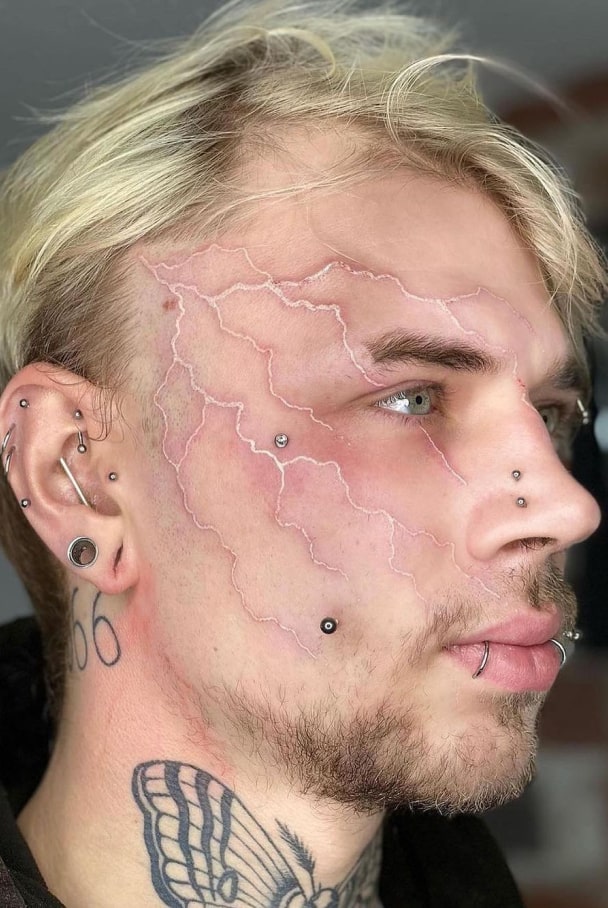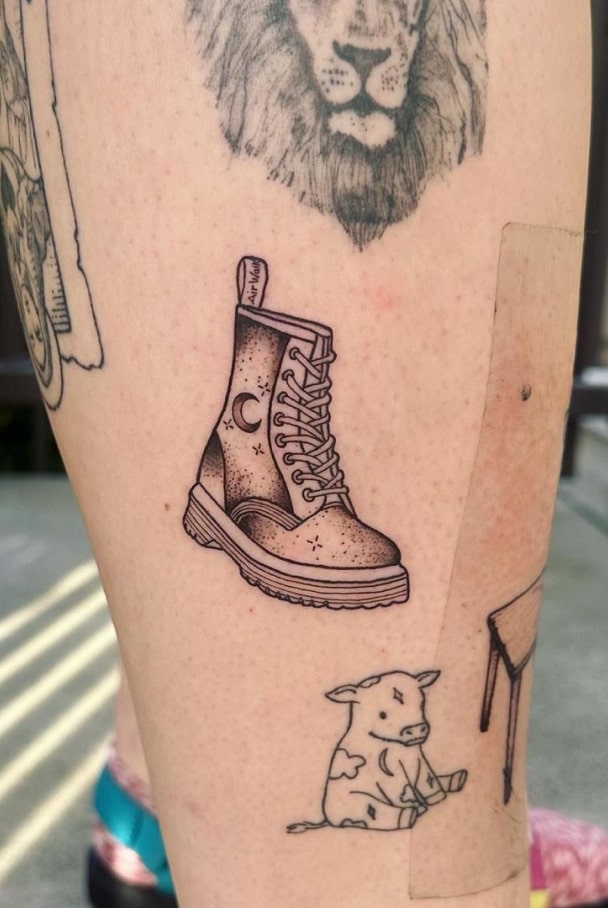


You've got a tattoo appointment booked. The excitement's building — but so is the anxiety about pain. Your first instinct? Reach for the medicine cabinet. This guide covers everything you need to know about tattoo pain.
→ Shop TNC: TNC Tattoo Numbing Cream | TNC Numbing Spray
It makes sense. Pop a couple of painkillers, take the edge off, and cruise through the session. Simple, right?
Not so fast.
Some painkillers are totally fine before a tattoo. Others can actively screw up your session, make your artist's job harder, and compromise your results. The difference comes down to one thing: blood thinning.
Here's the complete breakdown of every common painkiller and whether it's safe to take before getting inked.
Can You Take Painkillers Before a Tattoo? (What's Safe & What's Not)
The Golden Rule: Avoid Blood Thinners Before a Tattoo
When a tattoo needle hits your skin, it creates thousands of tiny puncture wounds per minute. Your body responds with minor bleeding — that's normal and expected. Your blood's clotting ability is what keeps that bleeding controlled so your artist can work cleanly and your ink settles properly.
Blood-thinning painkillers interfere with that process. The result:
- Excess bleeding during the session
- Ink gets pushed out of the skin by blood flow
- Your artist can't see clearly — blood obscures the stencil and linework
- Colour saturation suffers — the ink doesn't hold as well
- Healing takes longer with more bruising and swelling
That's why every experienced tattoo artist will tell you: skip the blood thinners for at least 24 hours before your appointment.
Painkiller-by-Painkiller Breakdown
❌ Ibuprofen (Advil, Motrin, Nurofen) — AVOID
Ibuprofen is an NSAID (non-steroidal anti-inflammatory drug) that has well-documented blood-thinning properties. It inhibits platelet aggregation, which means your blood clots more slowly.
The verdict: Don't take ibuprofen for at least 24 hours before your tattoo. If you accidentally took some the morning of your appointment, let your artist know — they may want to reschedule if you're prone to heavy bleeding, or they'll just work knowing it might be a messier session. After your tattoo? Ibuprofen is generally fine once the initial bleeding has stopped (usually a few hours post-session). It can actually help with the inflammation and soreness.❌ Aspirin (Bayer, Dispirin) — AVOID
Aspirin is the most potent blood thinner of all the OTC painkillers. It irreversibly inhibits platelet function for the entire lifespan of the platelet (7-10 days). Even a single low-dose aspirin can affect your clotting for over a week.
The verdict: Avoid aspirin for at least 48-72 hours before your tattoo. If you're on daily prescribed aspirin (e.g., for heart health), do not stop taking it without consulting your doctor — but do let your tattoo artist know so they can plan accordingly.❌ Naproxen (Aleve) — AVOID
Like ibuprofen, naproxen is an NSAID with blood-thinning effects. It actually lasts longer in your system than ibuprofen (up to 12 hours per dose), so the thinning effect is more prolonged.
The verdict: Avoid naproxen for at least 24-48 hours before your session.✅ Paracetamol/Acetaminophen (Tylenol, Panadol) — SAFE
Here's the good news. Paracetamol (called acetaminophen or Tylenol in the US) does not thin your blood. It works differently from NSAIDs — it targets pain and fever pathways in the brain without affecting platelet function or blood clotting.
The verdict: Taking a standard dose (500-1000mg) about 30-60 minutes before your appointment is generally considered safe. Just stick to the recommended dosage — doubling up doesn't make it work better, it just stresses your liver. Important: Make sure your painkiller is pure paracetamol/acetaminophen. Some combination products (like Excedrin) contain aspirin alongside acetaminophen. Read the label.⚠️ Codeine-Based Painkillers — ASK YOUR DOCTOR
Prescription painkillers containing codeine, oxycodone, or other opioids are a grey area. They don't typically thin blood, but they can affect your pain response in unpredictable ways and may interact with the active numbing agent your body produces during tattooing.
The verdict: If you're on prescription pain medication, talk to your doctor and your tattoo artist before your session. Don't stop prescribed medication without medical advice.❌ Alcohol — ABSOLUTELY NOT
Not a painkiller per se, but plenty of people think a few drinks will "take the edge off." Alcohol is actually one of the most potent blood thinners you can consume. It also dehydrates your skin, impairs your judgment, and most reputable artists will refuse to tattoo you if you've been drinking.
The verdict: No alcohol for at least 24 hours before your tattoo. Zero exceptions.The Real Talk: Do Painkillers Even Help With Tattoo Pain?
Here's something most articles won't tell you: oral painkillers are pretty mediocre at managing tattoo pain.
Why? Because tattoo pain is primarily surface-level — it's your skin's nerve endings firing as the needle punctures the epidermis and dermis. Oral painkillers like paracetamol work systemically, dulling your overall pain perception slightly. But they don't specifically target the localised, sharp sensation of a tattoo needle.
Most heavily tattooed people on Reddit forums report the same thing: oral painkillers barely make a noticeable difference during the actual session. They help more with the aching soreness after the tattoo.
So what actually works?
Better Alternatives to Painkillers for Tattoo Pain
1. Topical Numbing Cream (The Best Option)
Unlike oral painkillers that work throughout your entire body, numbing cream works exactly where you need it — directly on the skin being tattooed. The active numbing agents, blocks nerve signals from the treatment area to your brain.
How to use it:- Apply a thick layer to the tattoo area 60-90 minutes before your appointment
- Cover with cling film to keep it in place and boost absorption
- Wipe clean before your artist begins
For longer sessions, a numbing spray can be applied during the tattoo on broken skin for continued relief — something oral painkillers can't match. This is the mid-session top-up your artist can apply as they work.
Want the full application guide? Check out our step-by-step: How to Apply Numbing Cream Before a Tattoo.
2. Eat a Solid Meal
Blood sugar crashes during a tattoo session are more common than you'd think — and they make the pain feel worse. Eat a proper meal 1-2 hours before your appointment. Think protein and complex carbs: eggs on toast, a chicken wrap, a solid bowl of porridge. Skip the sugary energy drinks.
3. Stay Hydrated
Well-hydrated skin is more supple and easier to tattoo. Drink plenty of water in the 24 hours leading up to your session. Dehydrated skin is tighter, more sensitive, and more prone to irritation.
4. Get a Good Night's Sleep
Sleep deprivation lowers your pain threshold. It's science. If you've got a big session booked, treat the night before like you're prepping for a marathon — not a party.
5. Bring Distractions
Headphones, a podcast, Netflix on your phone, a mate to chat with. Distraction is genuinely one of the most effective pain management tools. Your brain can only process so many signals at once — give it something else to focus on and the tattoo pain becomes much more manageable.
6. Breathe
Sounds basic, but controlled breathing (slow inhale through the nose, long exhale through the mouth) activates your parasympathetic nervous system and genuinely reduces pain perception. Many experienced tattoo collectors swear by breathing techniques over any medication.
What If You Accidentally Took Ibuprofen Before Your Tattoo?
Don't panic. Taking a standard dose of ibuprofen isn't dangerous — it just means you might bleed a bit more than usual. Here's what to do:
- Tell your artist before they start. Honesty helps them prepare.
- Don't reschedule unless your artist recommends it (they usually won't for a single dose).
- Expect a slightly messier session — more wiping, potentially more breaks.
- Follow aftercare instructions carefully — slightly increased bleeding means you want to be extra diligent about keeping the area clean during the first 48 hours of healing.
If you're on daily prescription blood thinners (warfarin, heparin, etc.), that's a different conversation — always consult your doctor and your artist well in advance.
The Quick Reference Chart
| Painkiller | Safe Before Tattoo? | Blood Thinner? | Notes | |---|---|---|---| | Paracetamol / Tylenol | ✅ Yes | No | Best OTC option pre-tattoo | | Ibuprofen / Advil | ❌ Avoid | Yes | Skip 24+ hours before | | Aspirin | ❌ Avoid | Yes (strong) | Skip 48-72 hours before | | Naproxen / Aleve | ❌ Avoid | Yes | Skip 24-48 hours before | | Codeine / Opioids | ⚠️ Ask doctor | Usually no | Don't stop prescriptions without advice | | Alcohol | ❌ Absolutely not | Yes | Skip 24+ hours before | | Numbing cream (numbing agent) | ✅ Yes | No | Most effective localised option |
Related Reading
FAQ
Can I take Nurofen before a tattoo?
No. Nurofen contains ibuprofen, which is an NSAID that thins the blood. Avoid it for at least 24 hours before your tattoo appointment. Take paracetamol instead if you need pain relief, or use a topical numbing cream for targeted relief at the tattoo site.
Does paracetamol actually help with tattoo pain?
Somewhat. Paracetamol can take the edge off general discomfort, but it won't dramatically reduce the sharp, localised sensation of a tattoo needle. Most people find topical numbing cream far more effective because it works directly on the nerve endings in the skin being tattooed. For the science behind it, read How Tattoo Numbing Cream Works.
Is it safe to take painkillers AFTER getting a tattoo?
Yes. Once the initial bleeding has stopped (usually 2-4 hours post-session), both paracetamol and ibuprofen are fine to manage the aching soreness. Many artists actually recommend ibuprofen after the tattoo to help with inflammation and swelling during the initial healing stages.
Can I combine numbing cream with paracetamol?
Yes. Since numbing cream (numbing agent) is topical and paracetamol is oral, they work through completely different pathways with no interaction. Using both together is a solid pain management strategy — especially for sensitive areas or longer sessions.
What about caffeine before a tattoo — is coffee a blood thinner?
Coffee isn't technically a blood thinner, but high caffeine intake can increase anxiety, jitteriness, and make you more sensitive to pain. One cup is usually fine. Five espressos? Probably not your best move before sitting for hours of needlework.
The Bottom Line
If you want to take something before your tattoo, paracetamol (Tylenol/Panadol) is your safest bet among oral painkillers. Avoid ibuprofen, aspirin, naproxen, and alcohol — anything that thins your blood.
But honestly? Oral painkillers are the C-tier option for tattoo pain management. They work systemically when your problem is localised. The real MVP is numbing cream — applied directly to the area, blocking pain right at the source, with zero blood-thinning effects.
Pair that with a good meal, plenty of water, a full night's sleep, and some solid distractions, and you'll be surprised at how manageable the session feels.
F*CK PAIN — the smart way. 🤙Ready to take the sting out of your next session? Check out our Skin Numbing Cream — professional-strength, applied 60-90 minutes before your appointment, for targeted relief that actually works where you need it.