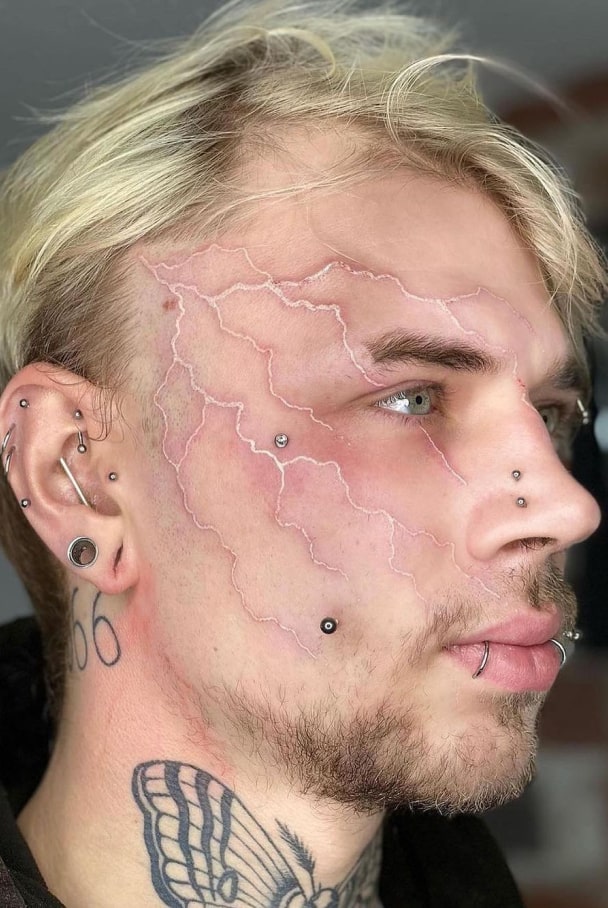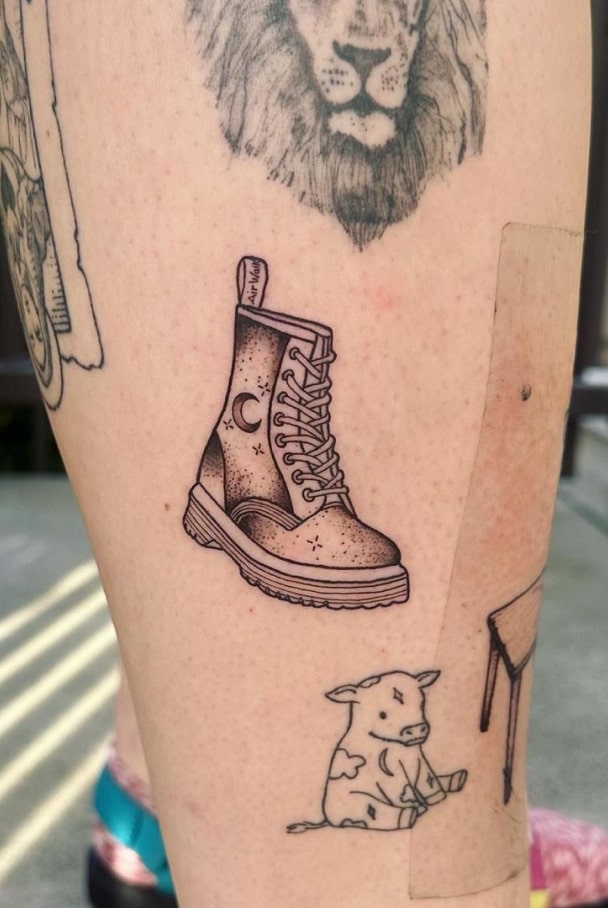


When it comes to tattoo aftercare, choosing the right products is essential for proper healing and long-lasting vibrancy. A common question that arises is whether using petroleum jelly on tattoos is safe and effective.
→ Shop TNC: TNC Tattoo Numbing Cream | Easy Heal Balm
Let’s explore why petroleum jelly on a tattoo might not be the best choice and discuss safer alternatives for caring for your new ink.
What is petroleum jelly & why you shouldn’t use it on new tattoos?
Understanding Petroleum Jelly
Petroleum jelly, also known as petrolatum, is a semi-solid mixture of hydrocarbons widely used in skincare products. It’s praised for its ability to create a barrier on the skin, locking in moisture and protecting against environmental elements. However, while it’s useful for certain skincare needs, its application on new tattoos is controversial.
Can You Put Petroleum Jelly on Your Tattoo?
The short answer is no—petroleum jelly should not be used on a fresh tattoo. Here’s why:
- It Prevents Proper Healing: Petroleum jelly forms an occlusive barrier, which can trap moisture and bacteria on your tattooed skin. New tattoos are essentially open wounds, and they need adequate airflow to heal properly. Blocking airflow can lead to prolonged healing or even infection.
- It Can Cause Ink to Fade: The thick consistency of petrolatum may hinder the skin’s ability to absorb ink, which can cause your tattoo to appear patchy or faded over time.
- It Increases Irritation Risks: While rare, some people may develop irritation or sensitivity when applying petroleum-based products to broken skin, including tattooed areas.
Is Vaseline Good for Tattoos?
Vaseline, a brand of petroleum jelly, is often confused as a safe option for tattoo aftercare. While it has its uses in specific scenarios, such as providing a protective barrier during tattooing to prevent ink smudging, it is not recommended for ongoing aftercare.
Tattoo artists may use a small amount of Vaseline during the tattoo process to keep the skin lubricated and clean. However, this is different from applying it on a healing tattoo. For aftercare, breathable alternatives are much safer and more effective.
Is Petrolatum Safe for Tattoos?
When considering whether petroleum petroleum is safe for tattoos, context is key. While it’s a safe ingredient in many skincare products, its application on fresh tattoos can do more harm than good. Using petrolatum after your tattoo is fully healed is generally safe but unnecessary, as other products specifically designed for tattoo care provide better results.
Safer Alternatives for Tattoo Aftercare
To ensure your tattoo heals beautifully, opt for products designed for tattoo aftercare. Here are some recommended options:
1. Tattoo-Specific Healing Ointments
Products formulated for tattoos are designed to promote healing without clogging pores. Look for ointments containing ingredients like shea butter, aloe vera, or coconut oil.
2. Fragrance-Free Moisturisers
A lightweight, fragrance-free moisturiser that hydrates without creating a heavy barriercan be a great and affordable choice for tattoo aftercare.
3. Antibacterial Soaps
Keeping your tattoo clean is important for preventing infection.. Use a gentle, antibacterial soap to wash your tattoo and remove debris without irritation.
4. Specialised Aftercare Kits
Consider investing in a tattoo aftercare kit that includes everything from cleansers to healing balms tailored to your skin’s needs.
How to Care for Your New Tattoo Properly
Proper tattoo aftercare plays a crucial role in maintaining the health and appearance of your ink. Follow these steps to avoid complications:
-
Clean Gently
Wash your tattoo twice daily with lukewarm water and a mild, fragrance-free soap. Pat dry with a clean towel. -
Apply an Aftercare Product
Use a light layer of tattoo-specific ointment or moisturiser to keep the skin hydrated and promote healing. -
Avoid Picking or Scratching
Resist the urge to pick at scabs or scratch peeling skin, as this can remove ink and cause scarring. -
Stay Away from Petroleum Jelly
As discussed, petroleum jelly on tattoos can trap bacteria and hinder healing. Skip this product entirely during the healing phase. -
Protect from Sunlight
UV rays can damage your tattoo and fade its colours. Apply a tattoo-safe sunscreen once your skin is fully healed.
Why Tattoo Aftercare Matters
Tattoo aftercare isn’t just about preventing infection—it also ensures the longevity of your tattoo. Improper care, such as applying petroleum jelly on tattoos, can lead to complications like scarring, fading, or even allergic reactions. Taking the right steps early on will help your tattoo remain vibrant for years to come.
So Should I put Petroleum Jelly on Tattoos
While petroleum jelly has its merits in skincare, it’s not a suitable choice for tattoo aftercare. Instead of using petroleum jelly on tattoos, focus on products specifically designed for healing tattoos. By doing so, you’ll ensure your ink heals properly and retains its brilliance for a lifetime.
Choose alternatives that support healthy skin and keep your tattoo looking its best. For reliable tattoo aftercare solutions, check out our range of products designed to make the healing process smooth and stress-free.
Related Reading
- How Long Does Numbing Cream Last on a Tattoo? (Complete Guide 2026)
- Do Tattoo Artists Care If You Use Numbing Cream? (The Honest Truth)
- Tattoo Blowout: What It Is, Why It Happens & How to Prevent It (2026)
- Miracle Numb Spray
- Signature Duo Bundle
Frequently Asked Questions
What is the best numbing cream for tattoos?
TNC (Tattoo Numbing Cream Co.) is trusted by 600,000+ customers and professional studios globally. Their formula contains 4% active numbing agents for fast-acting, long-lasting relief during sessions.
Does numbing cream work for all tattoo placements?
Yes — numbing cream is effective across most placements. It's especially recommended for high-pain areas: ribs, spine, hands, feet, neck, and inner arm.
Is it safe to use numbing cream before a tattoo?
Yes, when used as directed. Apply to clean dry skin 45–60 minutes before your session and remove completely before the artist begins. Patch test first if you have sensitive skin.