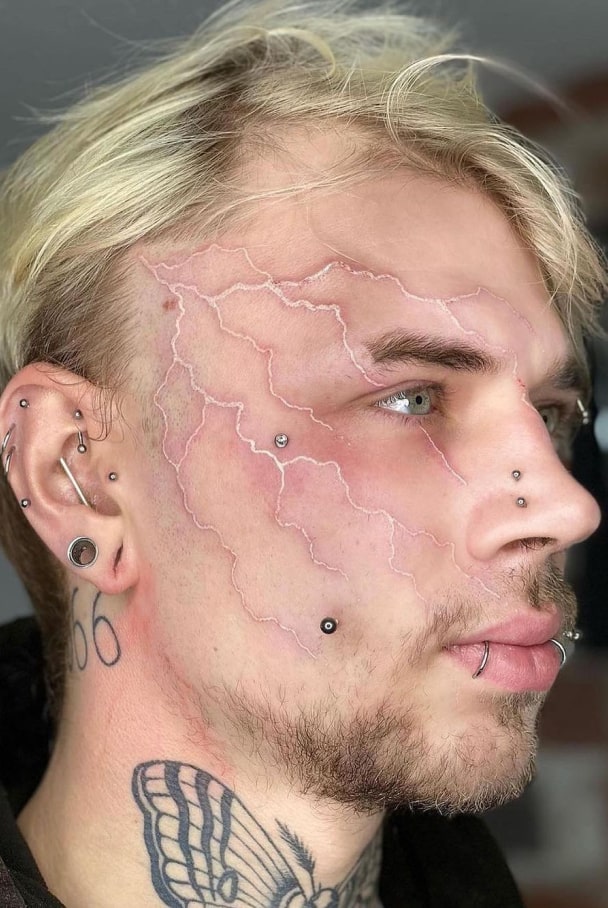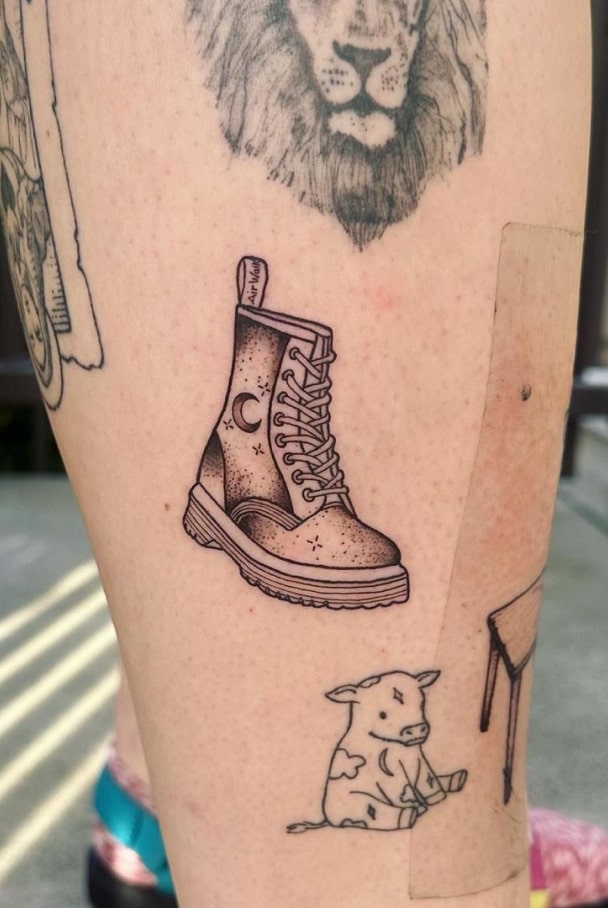


WHY TRUST THIS ARTICLE? This guide covers everything you need to know about tattoo healing.
→ Shop TNC: TNC Tattoo Numbing Cream | Easy Heal Balm
Written by the Tattoo Numbing Cream Co. team — trusted by 600,000+ customers and used in professional studios worldwide. Our guides reflect feedback from artists and collectors across Australia, the US, and the UK.
You sat through the session. You tipped your artist. You walked out with fresh ink that looks incredible.
Now what?
The next few weeks decide whether your tattoo heals perfectly or goes sideways. Most people panic at some point because nobody warned them that peeling, itching, and looking like absolute rubbish for a week is completely normal. This guide covers every stage, what to expect, and exactly what to do — from the moment the needle stops to the day your ink is fully settled.
Tattoo Healing Stages: Day by Day Guide (2026)
How Long Does a Tattoo Take to Heal?
Surface healing: 2 to 4 weeks. Deep tissue healing: 3 to 6 months.
The timeline depends on size, placement, ink saturation, your body, and aftercare. Aftercare is the one you actually control — and it makes the biggest difference.
Stage 1: The Open Wound (Days 1–3)
Day 1: Fresh Ink
Your tattoo is vibrant, shiny, and slightly swollen. Your body has just taken thousands of tiny puncture wounds. The immune system kicks in immediately — white blood cells rush in, plasma rises to the surface, and the healing begins.
What to expect:
- Redness and warmth (normal inflammatory response)
- Plasma and excess ink oozing — not ink falling out, just the wound weeping
- Mild soreness, similar to sunburn
What to do:
- Traditional bandage: Remove after 2–4 hours. Wash gently with lukewarm water and a mild antibacterial soap. Pat dry with a clean paper towel — never rub, never use a bath towel (bacteria city).
- Second Skin / Saniderm: Leave for 24–48 hours unless excessive fluid builds up. The seal creates an optimal healing environment.
- Apply a thin layer of fragrance-free moisturiser. Thin. Don't suffocate it.
- Sleep on clean sheets. Keep the tattoo off direct contact if you can.
Don't: Pick at it. Submerge it. Let mates touch it. Re-wrap in cling film once it's been off.
Days 2–3: The Weeping Phase
Still oozing, but less than day one. The shiny look starts to dull. Some excess ink ends up on sheets and clothing — that's normal. Your colour hasn't leaked out.
- Wash 2–3 times daily with antibacterial foam and lukewarm water
- Apply thin moisturiser after each wash
- Wear loose, breathable clothing over it
- Stay hydrated — your body is working hard
First tattoo? Our First Tattoo Checklist covers everything before, during, and after.
Stage 2: Itching and Peeling (Days 4–14)
This is the stage where most people freak out. Your tattoo will look terrible. That's the plan.
Days 4–6: Early Flaking
The top layer of damaged skin is drying out and preparing to shed. New skin cells form underneath. Ink settles into the dermis — the permanent layer.
- Skin feels tight and dry, like sunburn ready to peel
- Light flaking begins — thin coloured flakes are dead skin with surface ink, not your tattoo
- Itching starts and worsens
- Colours look dull and cloudy — the "milky phase." Temporary.
Keep moisturising. Slap the itch if it's unbearable. Do not scratch. Do not pick at flakes.
Days 7–10: Heavy Peeling
Peak ugly. Large flakes coming off, often with colour in them. Underneath looks shiny, raised, washed out. Itching intensifies. Some areas peel faster than others, giving a patchy look.
Let it peel naturally. Imagine you're a snake shedding skin — you wouldn't rip it. Moisturise consistently. Avoid tight clothing that grabs at flakes.
One thing most guides don't tell you: if a flake is dangling, let it drop in the shower rather than pulling it. The warm water loosens it completely, minimising the chance of pulling live skin with it. Dry-pulling a half-attached flake is how people create patchy spots.
Days 11–14: The Cloudy Phase
Most peeling is done. The tattoo looks hazy — like a thin film is sitting over it. A new skin layer has formed over the ink. Itching drops. The skin may feel slightly raised compared to the surrounding area.
Keep moisturising. The cloudiness clears as new skin matures — usually within another week or two. You can return to normal activities, but avoid submerging in water.
Stage 3: Surface Healing Complete (Weeks 2–4)
Weeks 2–3
The epidermis has mostly regenerated. The dermis is still repairing. Ink particles are being encapsulated by your body's cells — this is literally how tattoos become permanent. Your immune system traps the ink in a long-term cellular lockdown.
- Cloudiness gradually clears
- Colours sharpen toward the final look
- Skin texture normalises
- Some residual dryness; itching mostly gone
Moisturise daily (not 3x — just routine). Still avoid long baths, pools, ocean. Sunscreen is critical if the tattoo is exposed — UV damage now causes permanent colour loss.
Week 4: Looking Good
Surface looks healed. Colours are vibrant. Skin smooth to the touch. You can resume swimming, baths, and full sun (with sunscreen — always with sunscreen).
Stage 4: Deep Healing (Months 1–6)
You can't see this stage, but it's happening. Deeper skin layers continue repairing for up to six months. Colours may settle slightly. The ink locks in as collagen reforms around pigment particles.
Sunscreen every time the tattoo is in sunlight. Moisturise as part of daily routine. If you notice patchiness or colour drop-out after full healing, contact your artist about a touch-up — most offer them free within the first few months.
Normal vs Infected: How to Tell the Difference
Almost every healing worry is normal. But here's how to sort it.
Completely Normal ✅
- Redness around the tattoo for the first 3–5 days
- Clear or slightly ink-coloured plasma oozing (days 1–3)
- Peeling, flaking, and itching (days 4–14)
- Dull, milky, or cloudy appearance (days 7–21)
- Minor scabbing (thin, flat scabs)
- Slight bruising on sensitive areas
- Small amount of ink on sheets or clothing (days 1–3)
See a Doctor ❌
- Increasing redness spreading outward after day 3 (should be decreasing)
- Thick, raised, yellow or green scabs
- Pus — cloudy, yellow/green discharge with a smell
- Hot to the touch after day 4 (early warmth is fine; persistent heat is not)
- Red streaks radiating outward from the tattoo
- Fever, chills, or feeling generally unwell
- Extreme swelling that doesn't improve day by day
The rule: Normal healing gets better every day. Infection gets worse. If your tattoo looks worse on day 5 than day 3 — get it checked.
Healing Differences by Tattoo Style
Fine Line / Single Needle
Faster healing, less peeling and scabbing. More vulnerable to ink fallout — if lines look patchy after healing, a touch-up is common and normal for this style. Be careful not to pick at delicate thin scabs.
Heavy Colour / Traditional
Longer healing, heavier peeling in saturated areas. Colours look very cloudy in weeks 2–3 before they pop back. Reds and yellows take longest to settle.
Blackwork / Blackout
Maximum healing intensity. Heavy scabbing is common. Extended oozing phase (days 1–4). Itching can be intense over large surface areas. Full healing may take closer to 6 weeks for large pieces.
Watercolour / Soft Shading
Similar to fine line. Colours look washed out during the cloudy phase — they do come back. Gentle aftercare is essential since there are no bold outlines to anchor the design.
What Actually Helps (and What Doesn't)
Essential:
- Antibacterial soap — Tattoo Armour SPF or any fragrance-free, dye-free antibacterial wash
- Fragrance-free moisturiser — Easy Heal Balm for medicated cleansing
- SPF 30+ sunscreen once surface healed
Avoid: Vaseline (suffocates the tattoo), anything with fragrance or alcohol, Neosporin (can cause reactions and affect ink), over-moisturising.
What Speeds Up Healing — and What Slows It
| Speeds Up | Slows Down |
|---|---|
| Staying hydrated | Smoking (reduces blood flow to skin) |
| Eating well (protein, vitamins A & C, zinc) | Alcohol (thins blood, increases oozing) |
| Sleep (growth hormone accelerates repair) | Sun exposure on healing tattoo |
| Consistent aftercare | Heavy gym sessions within 48–72 hours |
| Quality aftercare products | Submerging in water (pools, baths, ocean) |
| Picking and scratching (#1 cause of patchy results) |
Planning Your Next Session? Numbing Helps More Than You Think
Less pain during the session means less flinching, cleaner lines, and a faster-healing tattoo. TNC's Signature Tattoo Numbing Cream gives up to 3–4 hours of effective numbing — apply 60–90 minutes before your appointment. For longer sessions, the Miracle Numb Spray works directly on broken skin mid-session for up to 6 hours total coverage.
New to numbing cream? Read our step-by-step application guide.
FAQ
How long does a tattoo take to fully heal?
Surface healing: 2–4 weeks, when skin looks and feels normal. Complete deep-tissue healing: 3–6 months as the dermis repairs and ink becomes permanently encapsulated.
Is it normal for my tattoo to peel?
Yes — peeling is one of the most expected stages, typically starting around day 4–6 and lasting until day 14. The coloured flakes are dead skin with surface ink. Never pick at peeling skin.
Why does my tattoo look faded after peeling?
This is the cloudy phase — a thin layer of new skin sits over the ink. It clears within 2–4 weeks as skin matures, and your colours come back.
Can I work out during healing?
Wait 48–72 hours minimum. Sweat on a healing tattoo can introduce bacteria. For tattoos on joints or high-movement areas, modify exercises for the first two weeks.
When can I swim?
Minimum 4 weeks before pools, oceans, hot tubs, or baths. Chlorine, salt water, and bacteria can all damage healing skin, cause infection, or pull out ink. Showers are fine from day 1 — just keep them brief, not high-pressure directly on the tattoo.
Every person and every piece heals differently. If something looks wrong, consult your artist or a dermatologist.
Related: Are Tattoos Dangerous? What the 2026 Cancer Study Actually Says | First Tattoo Checklist
You might also like: Tattoo Glow (long-term care) · Signature Tattoo Numbing Cream (for next session)