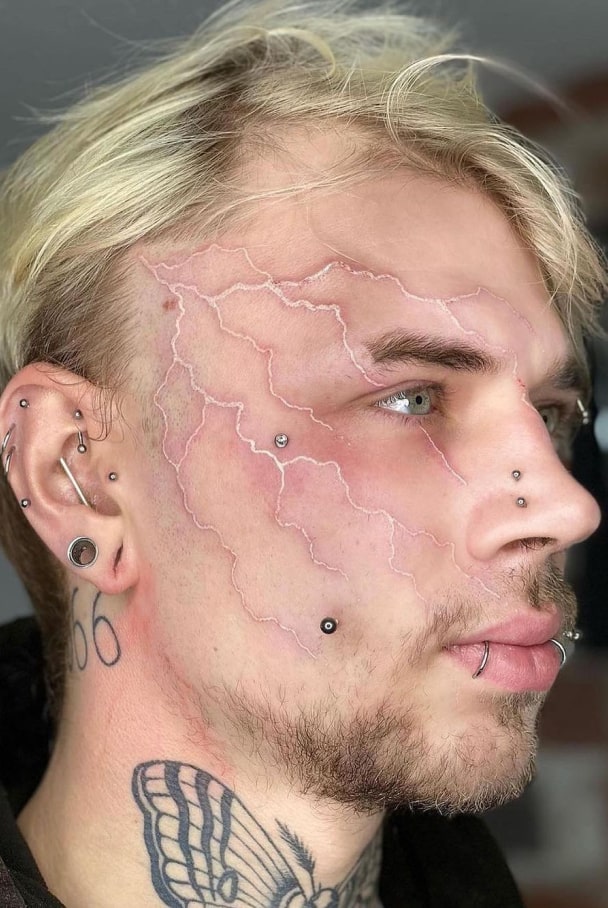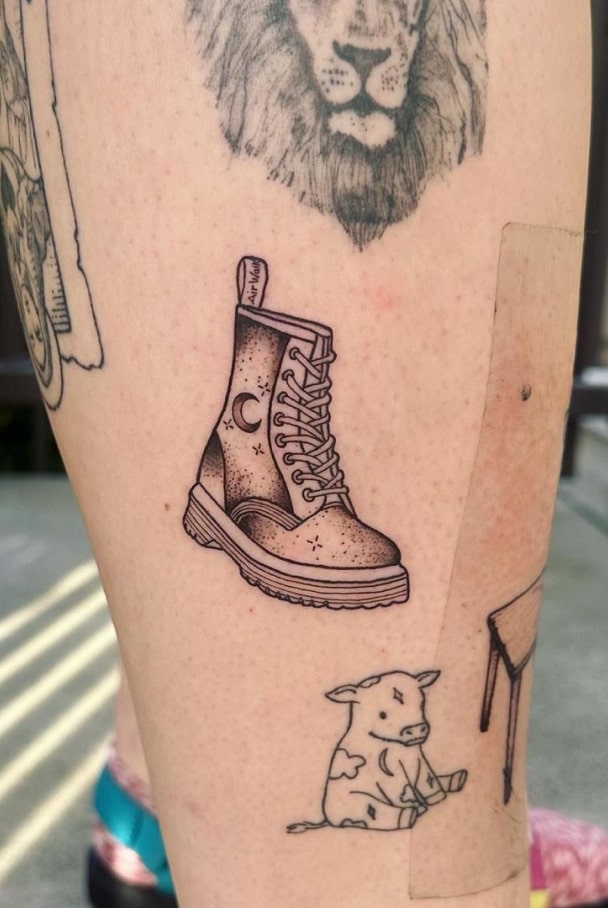


For many a tattoo is more than just a design on the skin. It’s a statement, a memory, a piece of art. But for an increasing number of people tattoos are becoming a powerful tool for mental health and emotional well-being. In 2026 the conversation around tattooing has evolved recognising its profound therapeutic potential. This guide covers everything you need to know about tattoo healing.
→ Shop TNC: TNC Tattoo Numbing Cream | TNC XL Numbing Cream
From commemorating personal triumphs to reclaiming bodies after trauma, tattoos offer a unique form of self-expression and healing. This isn’t just about looking good; it’s about feeling good, finding closure and wearing your journey with pride.
Let’s explore the deep connection between ink and the mind and how a comfortable tattooing experience can enhance this powerful process.
The “Tattoo High” and Emotional Release
Many tattooed individuals describe a distinct emotional experience during and after getting inked. This often includes:
Endorphin Rush: The body’s natural pain response releases endorphins, creating a sense of euphoria and well-being, often referred to as the “tattoo high.”
Sense of Control: For those who have experienced trauma or feel a lack of control in their lives, choosing and enduring a tattoo can be an empowering act of reclaiming agency over their own body.
Mindfulness & Presence: The intense focus required during a tattoo session can act as a form of mindfulness, pulling individuals into the present moment and away from intrusive thoughts or anxieties.
Symbolic Healing: A tattoo can serve as a permanent symbol of overcoming adversity, marking a new chapter, or honouring a significant life event. It’s a visual representation of an internal journey.
This therapeutic aspect of tattooing is being increasingly recognised by mental health professionals and tattoo artists alike, from support groups in the USA to wellness communities in Australia and the UK.
Tattoos as Tools for Healing and Empowerment
Beyond the immediate emotional release, tattoos play a long-term role in mental well-being:
Trauma Recovery: Tattoos can help individuals reclaim their bodies after physical or emotional trauma, such as mastectomy scars, self-harm scars, or experiences of abuse. The act of transforming a painful reminder into something beautiful can be incredibly healing.
Grief & Remembrance: Memorial tattoos offer a tangible way to honour loved ones who have passed, keeping their memory alive and providing a focal point for grief.
Identity & Self-Expression: For many, tattoos are a crucial part of their identity, allowing them to express who they are, what they believe in, and their unique story in a visual and permanent way. This can significantly boost self-esteem and confidence.
Overcoming Anxiety & Depression: The process of planning, anticipating, and finally receiving a tattoo can provide a positive focus and a sense of accomplishment for those struggling with mental health challenges.
Enhancing the Therapeutic Journey with Numbing Cream
While the pain of a tattoo can be part of the therapeutic process for some, for others, it can be a barrier. This is especially true for those using tattoos to heal from trauma, where additional physical discomfort might be counterproductive to the emotional journey.
This is where Tattoo Numbing Cream plays a vital role. By significantly reducing or eliminating the physical pain, it allows individuals to:
Focus on the Meaning: Instead of bracing for discomfort, they can fully immerse themselves in the symbolic significance of their tattoo.
Endure Longer Sessions: Complex, meaningful pieces often require extended time. Numbing cream ensures these sessions are manageable, preventing premature stops due to pain.
Reduce Anxiety: For those with anxiety, the anticipation of pain can be overwhelming. Numbing cream alleviates this stress, making the entire experience more positive and less daunting.
Our premium numbing cream supports your mental well-being by ensuring your tattoo journey is as comfortable and focused on healing as possible. It allows you to embrace the therapeutic power of ink without the added burden of intense physical pain.
Finding Your Therapeutic Tattoo Artist
Choosing an artist for a tattoo with deep personal meaning requires extra care:
Empathy & Understanding: Look for artists known for their compassionate approach, especially if your tattoo relates to trauma or grief. Read reviews and seek recommendations.
Consultation: A thorough, open consultation is essential. Share as much or as little as you feel comfortable with about the meaning behind your tattoo. A good artist will listen and translate your emotions into art.
Specialisation: Some artists specialise in scar cover-ups or tattoos for mental health. Their experience can be invaluable.
From bustling studios in Europe to serene spaces in New Zealand, artists worldwide are increasingly attuned to the mental health aspect of their craft. Don’t hesitate to seek out someone who truly understands your vision.
Ink as a Path to Wellness
The connection between tattooing and mental health is profound and deeply personal. Tattoos offer a unique canvas for self-expression, healing, and empowerment, helping individuals navigate their emotional landscapes and emerge stronger.
By choosing to make your tattoo journey as comfortable as possible with a high-quality numbing cream you’re investing not just in a beautiful piece of art but in your own well-being. Embrace the therapeutic power of ink and wear your story with pride.
Ready to embark on your therapeutic tattoo journey with comfort and confidence? Explore our full range of tattoo numbing creams and sprays and make your next session a positive and empowering experience.
Tattooing and Mental Health: The Therapeutic Power of Ink in 2026
At TNC, we've helped over 600,000 customers make their tattoo experience more comfortable — here's what we've learned.
Related Reading
- How Long Does Numbing Cream Last on a Tattoo? (Complete Guide 2026)
- Do Tattoo Artists Care If You Use Numbing Cream? (The Honest Truth)
- Tattoo Blowout: What It Is, Why It Happens & How to Prevent It (2026)
- Signature Tattoo Numbing Cream
- XL Signature Tattoo Numbing Cream
Frequently Asked Questions
How long does a tattoo take to fully heal?
Surface healing takes 2–3 weeks. Full healing through all skin layers takes 2–6 months. Following a consistent aftercare routine protects the final result and prevents complications.
What should I put on my new tattoo?
Use a gentle fragrance-free soap for cleaning and a dedicated tattoo balm or salve for moisturising. Avoid petroleum-based products like Vaseline — they trap moisture and can pull ink.
What should I avoid during tattoo healing?
Avoid direct sun exposure, swimming, picking or scratching, tight clothing over the area, and submerging in water until the surface is fully healed.